
New Zealand
New Zealand ( Māori : Aotearoa ) is one of the most beautiful countries in the world, a country of stunning and diverse natural beauty: jagged mountains, rolling pasture land, steep fiords, pristine trout-filled…
At a glance
Useful facts for planning
In this guide
Why go
Overview
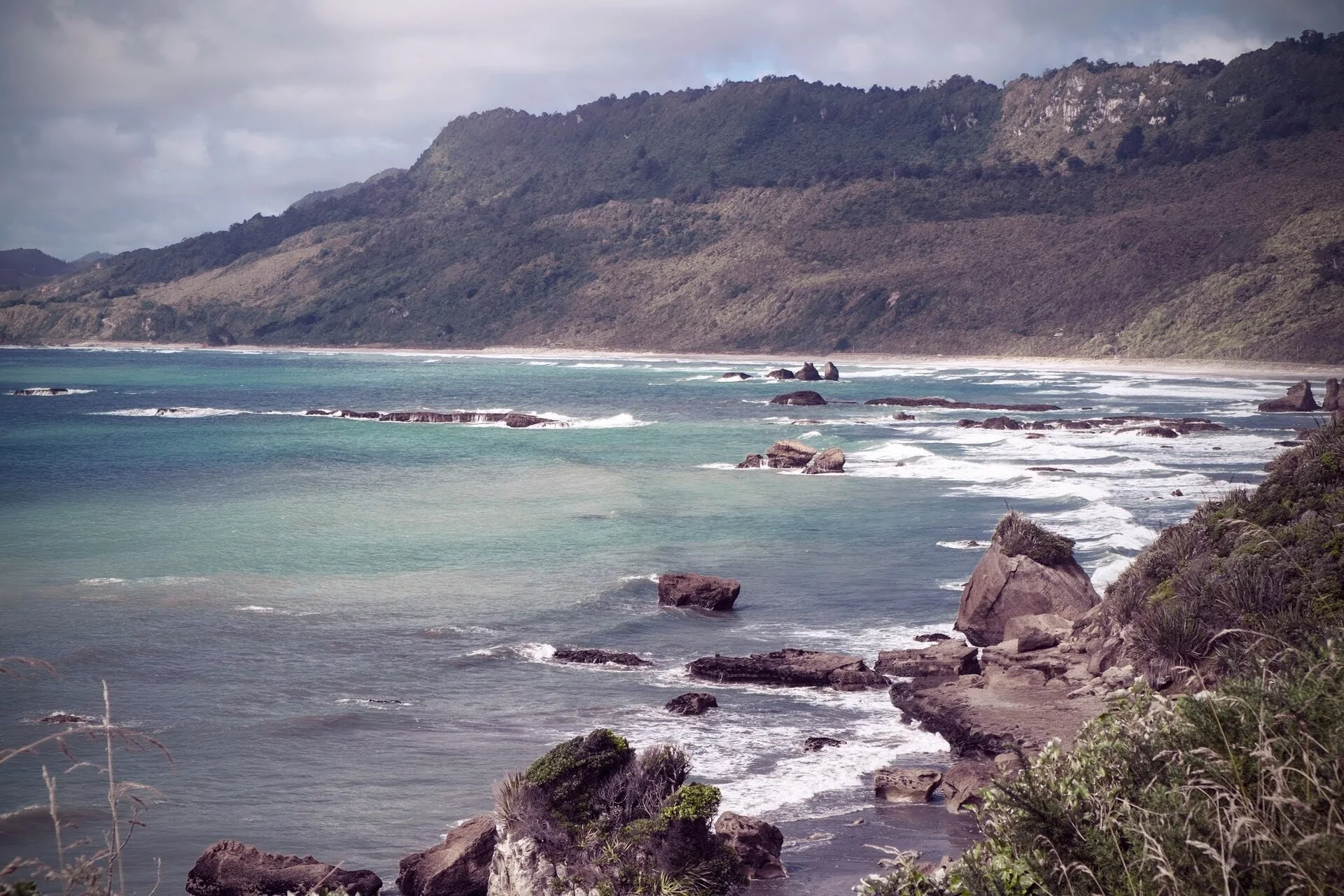
New Zealand ( Māori : Aotearoa ) is one of the most beautiful countries in the world, a country of stunning and diverse natural beauty: jagged mountains, rolling pasture land, steep fiords, pristine trout-filled lakes, raging rivers, scenic beaches, and active volcanic zones. These islands form a unique bioregion inhabited by flightless birds seen nowhere else, such as kākāpō and kiwi. New Zealanders have adopted the kiwi as a national symbol, and have even taken the word Kiwi as a name for themselves.
The islands are not densely populated, the South Island even less so than the North Island, but they are easily accessible. The country has modern visitor facilities and transport networks that are reasonably well developed. New Zealand often adds an adventurous twist to nature. It is the original home of jet-boating through shallow gorges as well as bungy jumping off anything high enough to give a thrill.
The indigenous Māori culture continues to play an important part in everyday symbolism, life and the identity of the nation, with many opportunities for visitors to understand and experience the history and present-day forms of Māori life.
New Zealand is increasingly known, both in the indigenous Māori language and in New Zealand English, as Aotearoa , often translated as "land of the long white cloud". Originally, Aotearoa referred to only the North Island.
Places to explore
New Zealand is a very diverse country with many regions that are worth seeing, but at a high level it's easiest to break it down according to its two main islands and the smaller offshore islands.
The Realm of New Zealand also includes the Cook Islands , Niue , Tokelau , and the largely unrecognised Ross Dependency in Antarctica . Although these destinations share with New Zealand the same monarch as head of state, and their citizens are issued New Zealand passports, they are also self-governing, and have different immigration régimes, climates, and cultures. Thus, they are dealt with in separate articles, rather than here.
Sights and landscapes
It can be said that in New Zealand it's the countryside that's magnificent, and perhaps no more so than the Southern Alps of the South Island. In the Mackenzie Country , the snow-capped jagged peaks rising above turquoise lakes have provided the inspiration for many a postcard. Tucked in behind is the country's highest peak, Aoraki / Mount Cook (3724 m). The lakes and mountains continue south, becoming a stunning backdrop for the towns of Wanaka , Queenstown and Glenorchy .
Another region where mountain meets water with striking effect is Fiordland National Park where steep, densely forested mountains rise from the sea. The most accessible, and perhaps one of the most beautiful, spots is Milford Sound . The road in is spectacular and the view even more so when you arrive.
Glaciers may not be the first thing that comes to mind when you think of an island in the South Pacific, but New Zealand has several. The most notable are the Fox and Franz Josef glaciers in Westland Tai Poutini National Park . These glaciers are unique in how close they get to sea level and are sustained by the enormous amount of precipitation that falls on New Zealand's west coast.
Experiences
The All Blacks generally play at home in the southern hemisphere winter (June to August), mainly in The Rugby Championship against Argentina, Australia and South Africa. Unlike many other national teams, the All Blacks do not have a single home stadium; test matches circulate between stadiums in the major centres, including Eden Park in Auckland , Sky Stadium ("The Cake Tin") in Wellington , One New Zealand Stadium in Christchurch , Waikato Stadium in Hamilton , and Forsyth Barr Stadium in Dunedin .
Culture and food
Modern New Zealand cuisine has been influenced mainly by the country's British heritage, although immigration since the 1950s has put Mediterranean and Asia-Pacific twists to it. Māori have their own distinctive traditional cuisine.
New Zealanders typically only go out for dinner at a restaurant on special occasions such as birthdays or on romantic dates; most don't eat out on a highly frequent basis, although it is becoming more common. New Zealanders typically don't ask for the restaurant bill at the table, but rather vacate the table and ask for the bill at the front counter or bar.
New Zealand has a distinctive café culture, with arguably some of the best espresso on the planet. Cafés often have excellent food, serving anything from a muffin to a full meal.
Planning your route
Coaches (long-distance buses) are a relatively cheap and environmentally friendly way to get around New Zealand. Services are usually only once a day, even between major towns. Most roads in New Zealand are quite narrow and winding (when compared to the highways of the USA), and travelling a long distance in a coach can be a safe and relaxing way to travel compared with driving yourself. Booking in advance can get you great bargains on some lines.
Domestic flights in New Zealand can be expensive; some domestic flights can cost as much as a flight to Australia. However, flying often works out cheaper than driving or taking a train, especially when crossing between the North and South Islands.
Travel guide text compiled and adapted from Wikivoyage article (contributors). Sections were selected and reordered for this guide. Text is shared under CC BY-SA 4.0. Check current arrangements with your travel consultant.
Plan the full journey
Useful for this trip
This country’s visa guidance has not been fully verified against current official requirements. Confirm the application route for your passport, residence and purpose before making travel commitments.
Review details
New Zealand: Official pages were retrieved, but the complete imported guidance has not been corroborated claim by claim for Kenyan ordinary passports. Still to confirm: passport validity, tourist and business eligibility, application route, any exemptions and published processing guidance. Residents using other passports require a separate nationality check.