
Micronesia
Tropical; heavy year-round rainfall, especially in the eastern islands; located on southern edge of the typhoon belt with occasionally severe damage; Natural hazards are typhoons (June to December).
At a glance
Useful facts for planning
In this guide
Why go
Overview
Tropical; heavy year-round rainfall, especially in the eastern islands; located on southern edge of the typhoon belt with occasionally severe damage; Natural hazards are typhoons (June to December).
The 607 islands vary geologically from high mountainous islands to low, coral atolls; there are volcanic outcroppings on Pohnpei, Kosrae, and Truk. Despite the total land area being small (around 700 km²), the nation is spread out over more than 2.6 million km² of ocean.
Sights and landscapes
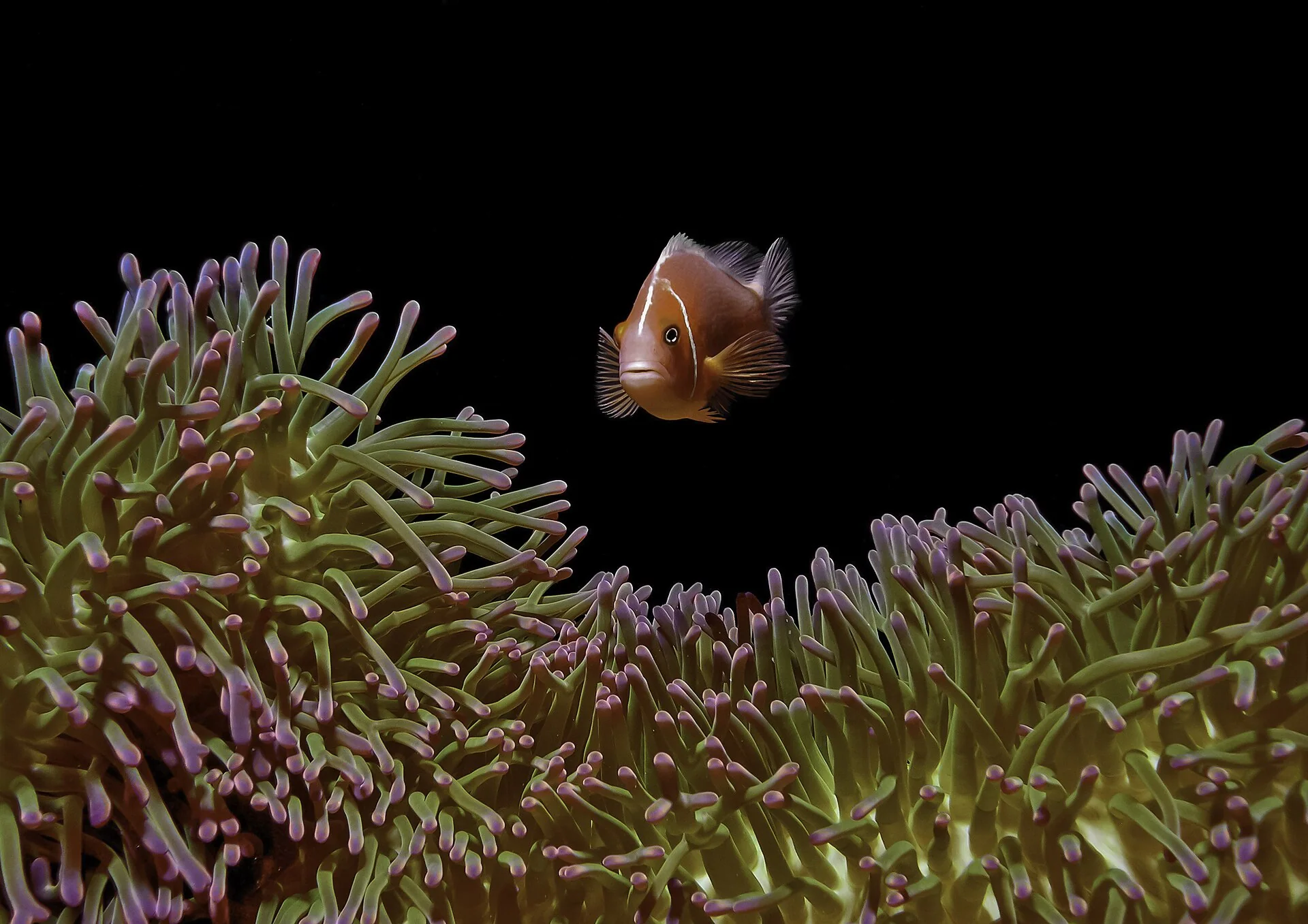
The countless islands are largely undeveloped and their sheer remoteness and Robinson Crusoe like-atmosphere are a major draw for visitors. There are gorgeous sea views all around, and the islands' scenery treats vary from beautiful beaches to lush jungles . There's world of colour under water and if you're willing to dive, there are some great opportunities to see underwater life .
The ruined city of Nan Madol on Pohnpei is a true highlight and the site of ancient rituals, politics, and royal dwellings of the Saudeleur dynasty. It's a collection of 92 man-made islets connected with tidal canals, which gained it the obvious name of Venice of the Pacific . It's a magnificent archeological attraction, covering 18km2 partly reclaimed by nature. There are huge basalt pillars and stone structures which create an image of the temples, bathing houses, vaults and pools that once formed the centre of life here for centuries.
Of later date but still quite old are the ruins of Lelu , connected with a causeway to Kosrae . Constructed in the 13th and 14th century, this was the centre of the local royalty. Today, it's the stuff of adventure movies: tucked away in thick jungle and largely overgrown. The original purpose of several of the remaining structures is known, and on-site signs help to get a good idea.
The main island of Yap is famous for its stone money , which is still used for ceremonial gifts or payments. Sometimes huge in size, these stone "coins" are a sight in itself. Stroll to the village of Balabat to see the stone money bank and keep your eyes out for traditional houses . Although available on most islands, the village Bechiyal is home to Yap's oldest faluw (or men's house). Yap is also the place to see the best of the region's indigenous arts, as it houses the excellent Ethnic Art Village .
The Federated States of Micronesia consists of 607 islands extending 2,900 km (1,802 mi) across the archipelago of the Caroline Islands east of the Philippines . The islands have a combined area of 702 km 2 (271 sq mi).
The islands are grouped into four states, which are Yap , Chuuk (called Truk until January 1990), Pohnpei (known as "Ponape" until November 1984), and Kosrae (formerly Kusaie). These four states are each represented by a white star on the national flag. The capital is Palikir , on Pohnpei.
The Federated States of Micronesia (FSM) is recognized as a biodiversity hotspot, hosting approximately 3,025 animal species and 1,553 plant species. The diversity of terrestrial plants and animals within the FSM varies from east to west due to differences in climate, geology, topography, and geographical isolation.
Over 457 plant species have been introduced to the islands of the FSM by early Micronesians and subsequent settlers. The FSM comprises 607 islands extending 2,900 km across the Caroline Islands , with a combined area of 702 km 2 . The FSM has 58 Key Biodiversity Areas .
The region is characterized by thousands of isolated small coral atolls and higher volcanic islands, contributing to its high biodiversity. The FSM's National Biodiversity Strategy and Action Plan outlines efforts to protect and conserve its rich biodiversity. The FSM's marine biodiversity is under pressure due to growing population demands, leading to increased degradation of marine resources.
The Federated States of Micronesia has a tropical rainforest climate ( Köppen : Af ). The weather is warm, humid and rainy all year round. The islands are located north of the equator and are affected by constant trade winds, which temper the climate. Minimum temperatures range all year round between 22 and 25 °C, and maximum temperatures between 30 and 32 °C. The abundant precipitations oscillate between 2500 and 5000 mm per year, although in the faces oriented to the wind they can surpass 6000 mm. Mount Nahnalaud, only 750 m high, on the island of Pohnpei, receives an average of 10,160 mm, being one of the rainiest places on earth, with almost always overcast skies. In general, the rains are produced by showers and storms of short duration but very intense. The driest places are the flat atolls, where rainfall can drop below 3,000 mm. The driest months are January and February, with no less than 250 mm and 20 days of rain.
Climate patterns in the FSM are also affected by the El Niño-Southern Oscillation , leading to considerable variability in weather conditions from year to year. During El Niño events, the region may experience increased rainfall and storm activity, while La Niña events can bring drier conditions and potential droughts.
Planning your route
Even though there are no scheduled bus services on the island, some buses are available to hire or charter. Also, on Yap there is a school bus that runs twice daily from Colonia to the villages.
Travel guide text compiled and adapted from Wikivoyage article (contributors) and Wikipedia article (contributors). Sections were selected and reordered for this guide. Text is shared under CC BY-SA 4.0. Check current arrangements with your travel consultant.
Plan the full journey
Useful for this trip
This country’s visa guidance has not been fully verified against current official requirements. Confirm the application route for your passport, residence and purpose before making travel commitments.
Review details
Micronesia: Official pages were retrieved, but the complete imported guidance has not been corroborated claim by claim for Kenyan ordinary passports. Still to confirm: passport validity, tourist and business eligibility, application route, any exemptions and published processing guidance. Residents using other passports require a separate nationality check.