
Ecuador
Ecuador is a country on the Equator in northwestern South America . Several places in the country have been declared UNESCO World Heritage Sites , including the Galapagos Islands and the cities of Quito…
At a glance
Useful facts for planning
In this guide
Why go
Overview
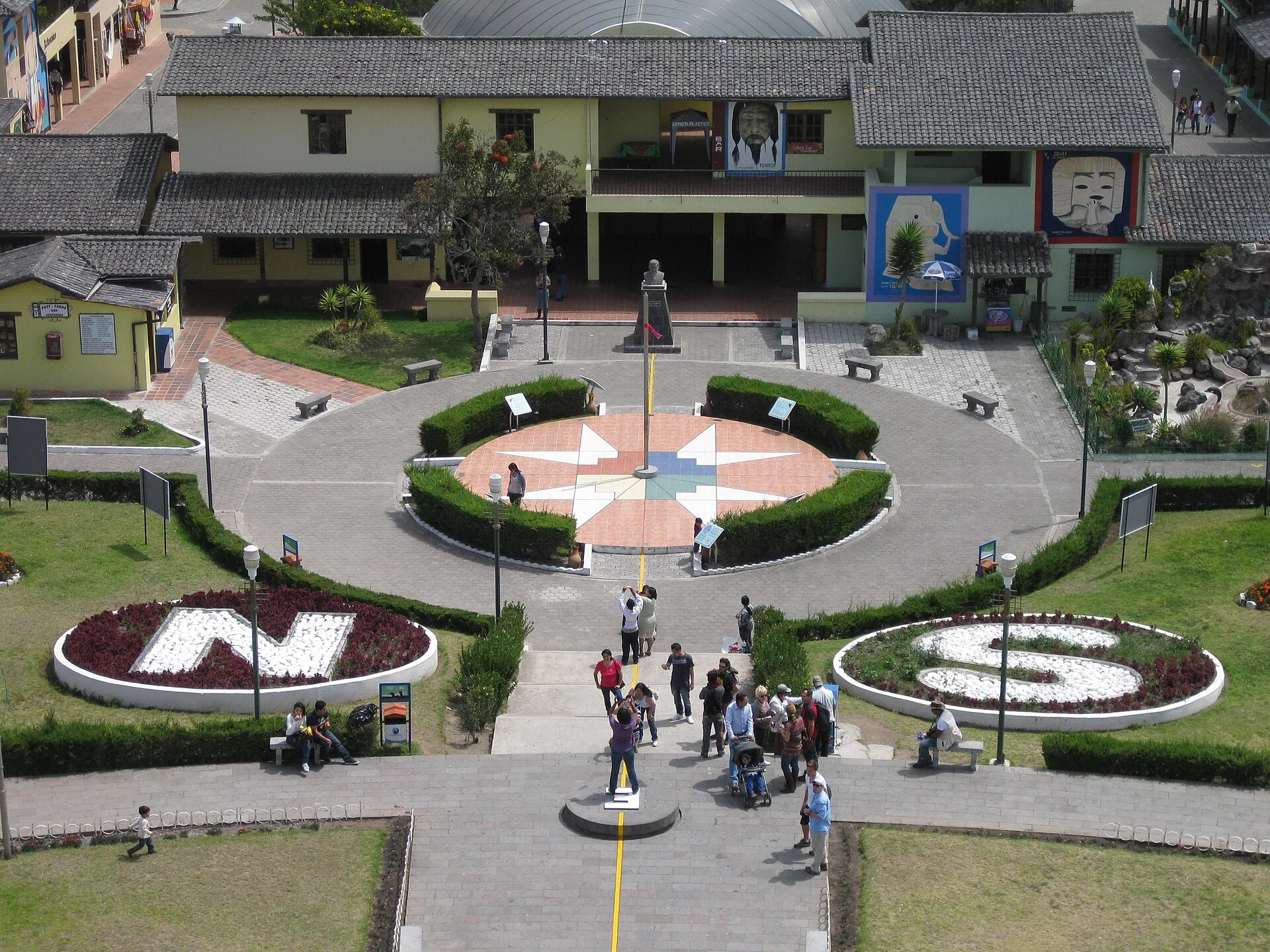
Ecuador is a country on the Equator in northwestern South America . Several places in the country have been declared UNESCO World Heritage Sites , including the Galapagos Islands and the cities of Quito and Cuenca , which lie in the Andes that run from north to south through the country. The Ecuadorian Andes are also home to some of the highest active volcanoes such as the Cotopaxi .
La República del Ecuador ("Republic of the Equator") was one of three countries (the others being Colombia and Venezuela) that emerged when the Gran Colombia federation fractured in 1830. Between 1904 and 1942, Ecuador lost territories in a series of conflicts with its neighbors. A border war with Peru that flared in 1995 was resolved in 1999.
Ecuador's mainstream culture is defined by its Hispanic Mestizo majority and like their ancestry, it is traditionally Spanish heritage, influenced by different degrees of Amerindian traditions with African elements.
Tropical along coast, becoming cooler inland at higher elevations; tropical in Amazonian jungle lowlands. Ecuador has a total area of 283,520 km 2 and is bisected by the Equator, for which it is named.
Culture and food
There is a lot of variety as to what is typically eaten, depending on the location. In the Sierra, potatoes almost always accompany lunch and dinner, and in the coast rice is popular. Soup is also a big part of lunch and dinner. Breakfasts often consist of toast, eggs, and juice or fruit. Batidos, or fruit shakes, are popular breakfast items or snacks. Especially on the coastline, Ecuadorians make a variety of breakfast meals based on green or sweet plantain and yuca, such as bolonoes, empanadas, patacones, corviches, muchines, pan de yuca, humitas and others. They are cooked with either cheese, pork or fish. They are very filling and inexpensive meals.
Restaurants run the gamut in terms of menu, quality, hygiene, hours and price. Basic meals cost less than $2, or it is possible to pay close to U.S. prices in the tourist areas, especially for food from the American chains.
If you're on a budget, your best bet for a good and local meal is to order an almuerzo (lunch) or a merienda (dinner). These normally consist of a soup, a meat main course and a dessert for $1-2.
Planning your route
Intercity buses travel to almost everywhere in Ecuador. Many cities have a central bus terminal, known as a terminal terrestre , where it is possible to buy tickets from the various bus lines that serve the city. Long-distance buses typically cost US$1-2 per hour, depending on the distance and the type of service; groups may be able to negotiate discounts. Buses are frequent along major routes, and are also used for transporting cargo/packages.
Reservations or advance purchases usually aren't needed except during peak periods such as holidays. The bathroom on the bus, if any, is usually reserved for women. However, it is permissible for men to request that the bus make a stop so that they might relieve themselves. The bus rides themselves are often quite beautiful, through mountain views in the clouds. These altitude changes cause many of the same ear pressure problems which are associated with an airplane ride.
Sights and landscapes
Ecuador lies between latitudes 2°N and 5°S , bounded on the west by the Pacific Ocean, and has 2,337 km (1,452 mi) of coastline . It has 2,010 km (1,250 mi) of land boundaries, with Colombia in the north (with a 590 km (367 mi) border) and Peru in the east and south (with a 1,420 km (882 mi) border). It is the westernmost country that lies on the equator.
Ecuador's capital and second largest city is Quito, which is in the province of Pichincha in the Sierra region. It is the second-highest capital city with an elevation of 2,850 meters. Ecuador's largest city is Guayaquil, in the Guayas Province . Cotopaxi , just south of Quito, is one of the world's highest active volcanoes. The top of Mount Chimborazo (6,268 m, or 20,560 ft, above sea level), Ecuador's tallest mountain, is the most distant point from the center of the Earth on the Earth's surface because of the ellipsoid shape of the planet. The Andes is the watershed divisor between the Amazon watershed, which runs to the east, and the Pacific, including the north–south rivers Mataje, Santiago, Esmeraldas , Chone , Guayas , Jubones, and Puyango-Tumbes.
There is great variety in the climate, largely determined by altitude. It is mild year-round in the mountain valleys, with a humid subtropical climate in coastal areas and rainforest in lowlands. The Pacific coastal area has a tropical climate with a severe rainy season. The climate in the Andean highlands is temperate and relatively dry, and the Amazon basin on the eastern side of the mountains shares the climate of other rainforest zones.
Because of its location at the equator, Ecuador experiences little variation in daylight hours during the course of a year. Both sunrise and sunset occur each day at the two six o'clock hours.
The country has seen its seven glaciers lose 54.4% of their surface in forty years. Research predicts their disappearance by 2100. The cause is climate change, which threatens both the fauna and flora and the population.
Travel guide text compiled and adapted from Wikivoyage article (contributors) and Wikipedia article (contributors). Sections were selected and reordered for this guide. Text is shared under CC BY-SA 4.0. Check current arrangements with your travel consultant.
Plan the full journey
Useful for this trip
This country’s visa guidance has not been fully verified against current official requirements. Confirm the application route for your passport, residence and purpose before making travel commitments.
Review details
Ecuador: The supplied sources could not provide sufficient readable official guidance during this assessment. Still to confirm: passport validity, tourist and business eligibility, application route, any exemptions and published processing guidance. Residents using other passports require a separate nationality check.