
Cabo Verde
Cape Verde or CV , officially Cabo Verde (Portuguese: Cabo Verde , Kriolu: Kabu Verdi ) is a country off the coast of West Africa . It is in a cluster of islands of…
At a glance
Useful facts for planning
In this guide
Why go
Overview
Cape Verde or CV , officially Cabo Verde (Portuguese: Cabo Verde , Kriolu: Kabu Verdi ) is a country off the coast of West Africa . It is in a cluster of islands of the Atlantic Ocean , 570 km (350 mi) off the western coast of Senegal .
Sights and landscapes
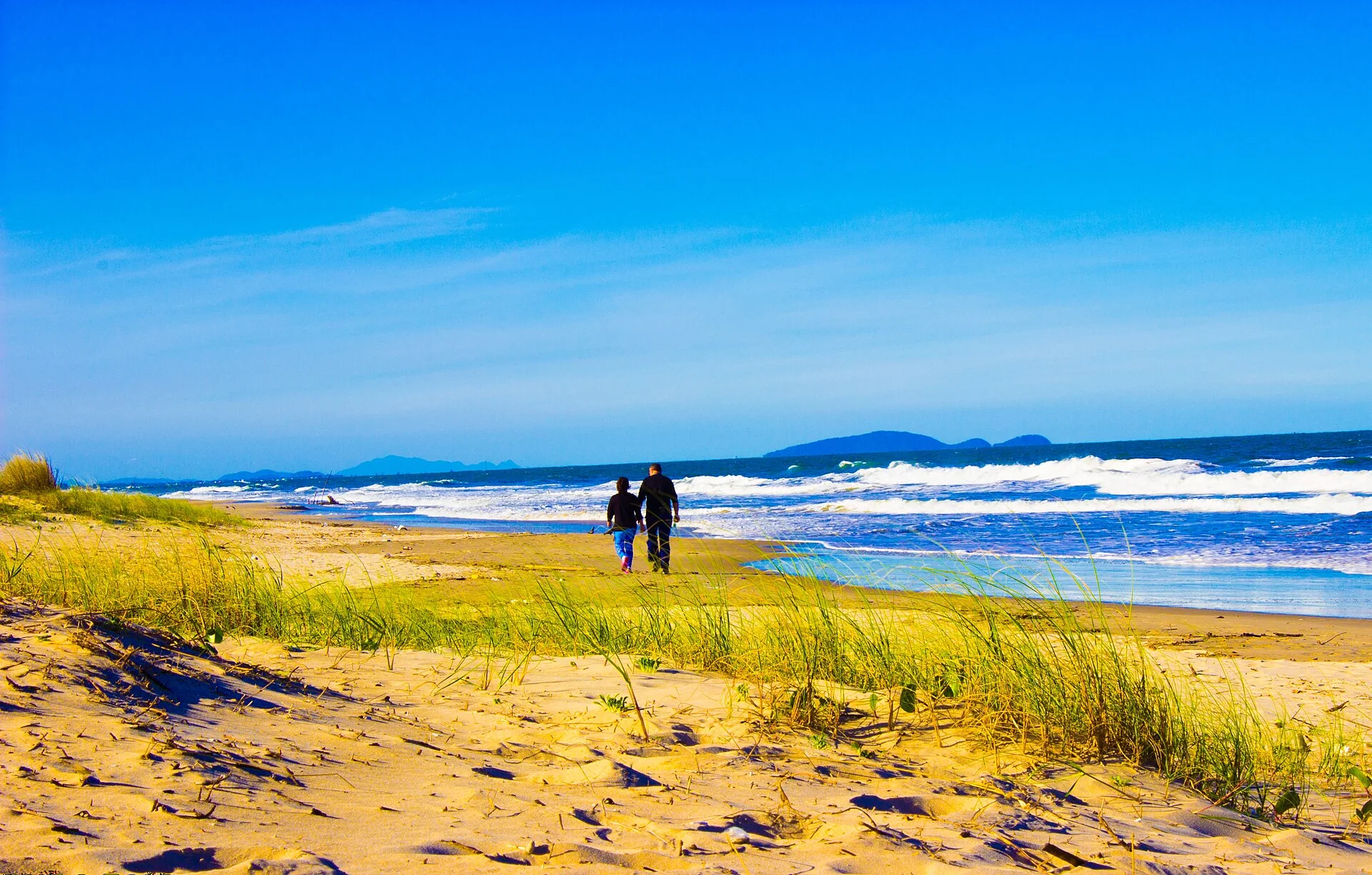
Cape Verde is a breathtaking, 10-island volcanic archipelago, 500 km off the west coast of Africa, blending African, Brazilian and Portuguese influences. Each island boasts unique landscapes, from the sun-drenched, white-sand beaches of the windward islands to the dramatic, lush, and mountainous peaks of the leeward.
The Cape Verde archipelago is in the Atlantic Ocean, approximately 570 kilometres (350 mi) off the western coast of the African continent, near Senegal , The Gambia , and Mauritania as well as part of the Macaronesia ecoregion. It lies between latitudes 14° and 18°N , and longitudes 22° and 26°W . The country is a horseshoe-shaped cluster of ten islands (nine inhabited) and eight islets, that constitute an area of 4033 km 2 (1557 sq mi).
The largest island, both in size and population, is Santiago, which hosts the nation's capital, Praia, the principal urban agglomeration in the archipelago. Sal, Boa Vista, and Maio, are fairly flat, sandy, and dry; the other islands are generally rockier with more vegetation.
Geologically, the islands are principally composed of igneous rocks , with volcanic structures and pyroclastic debris comprising the majority of the archipelago's total volume. The volcanic and plutonic rocks are distinctly basic; the archipelago is a soda-alkaline petrographic province, with a petrologic succession similar to that found in other Macaronesian islands. The islands lie on a bathymetric swell known as the Cape Verde Rise . The rise is one of the largest protuberances in the world's oceans, rising 2.2 kilometres (1.4 miles) in a semi-circular region of 1200 km 2 (460 sq mi), associated with a rise of the geoid .
Magnetic anomalies identified in the vicinity of the archipelago indicate that the structures forming the islands date back 125–150 million years: the islands date from 8 million (in the west) to 20 million years (in the east). The oldest exposed rocks occurred on Maio and the northern peninsula of Santiago and are 128–131 million-year-old pillow lavas . The first stage of volcanism in the islands began in the early Miocene and reached its peak at the end of this period when the islands reached their maximum sizes.
Extensive salt flats are found on Sal and Maio. On Santiago, Santo Antão, and São Nicolau, arid slopes give way in places to sugarcane fields or banana plantations spread along the base of towering mountains. Ocean cliffs have been formed by catastrophic debris landslides .
Because of the infrequent occurrence of rainfall where not mountainous, the landscape is so arid that less than two percent of it is arable. The archipelago can be divided into four broad ecological zones – arid, semiarid, sub-humid and humid, according to altitude and average annual rainfall ranging from less than 100 millimetres (3.9 inches) in the arid areas of the coast as in the Deserto de Viana (67 millimetres (2.6 inches) in Sal Rei ) to more than 1,000 millimetres (39 inches) in the humid mountain. Most rainfall precipitation is due to condensation of the ocean mist. In some islands, like Santiago, the wetter climate of the interior and the eastern coast contrasts with the drier one on the south/southwest coast.
Culture and food
Tap water may be contaminated due to incorrect storage (e.g. in containers on the roofs of buildings). Take the same precautions as in other regions with varying water quality. In case of doubt, bottled water is available in stores between $70 for a 1.5-l bottle to $400 for 10-l canisters.
The culture of Cape Verde is characterized by a mixture of African and European elements, while the language and religion are of European origin, several other aspects, such as dance and music, are a unique blend of the cultural heritage of the two different continents.
Football games and church activities are typical sources of social interaction and entertainment. The traditional walk around the praça ( town square ) to meet friends is practised regularly in Cape Verdean towns.
Planning your route
Most road and sidewalk surfaces in Cabo Verde are made of large, rough, irregular, uneven and sharp cobblestones, which are often spaced wide apart and may protrude several centimetres from the ground. These surfaces are generally unsuitable for wheeled luggage, baby strollers, folding bicycles or anything with wheels smaller than those of a car or standard bicycle.
Transportation between islands is possible by plane and ferry. Plane tickets are more expensive than ferry tickets. If funds are not a constraint, Cabo Verdeans seem to prefer flights due to better reliability, shorter duration and lack of sea-sickness.
Timetables in Cape Verde are not to be taken too seriously – don't be too surprised if that boat departs ahead of schedule or if that flight suddenly gets postponed until tomorrow. This is important to consider if you decide to do some island-hopping. Due to weather and other conditions flights may be delayed or canceled. Carry your toothbrush with you and build in some buffer time to your planning especially if you need to meet an international connection.
Background
In 1462, Portuguese settlers arrived at Santiago and founded a settlement they called Ribeira Grande. Today it is called Cidade Velha ("Old City"), to distinguish it from Ribeira Grande . The original Ribeira Grande was the first permanent European settlement in the tropics .
Travel guide text compiled and adapted from Wikivoyage article (contributors) and Wikipedia article (contributors). Sections were selected and reordered for this guide. Text is shared under CC BY-SA 4.0. Check current arrangements with your travel consultant.
Plan the full journey
Useful for this trip
This country’s visa guidance has not been fully verified against current official requirements. Confirm the application route for your passport, residence and purpose before making travel commitments.
Review details
Cabo Verde: Official pages were retrieved, but the complete imported guidance has not been corroborated claim by claim for Kenyan ordinary passports. Still to confirm: passport validity, tourist and business eligibility, application route, any exemptions and published processing guidance. Residents using other passports require a separate nationality check.