
Austria
Today's Austria is what was once the German-speaking core and centre of power for the large multiethnic Austro-Hungarian Empire with its imperial capital in Vienna. This empire stretched eastwards from present-day Austria through much…
At a glance
Useful facts for planning
In this guide
Why go
Overview
Today's Austria is what was once the German-speaking core and centre of power for the large multiethnic Austro-Hungarian Empire with its imperial capital in Vienna. This empire stretched eastwards from present-day Austria through much of east-central and south-central Europe. It included the entire territories of modern-day Hungary, the Czech Republic, Slovakia, Slovenia, Croatia, Bosnia, and portions of Serbia, Romania, Ukraine, Poland and Italy, and also had a small colonial possession in Tianjin , China . While Prussia united the German states to the north into one " German Empire " in 1867-1871, Austria remained oriented eastwards towards its diverse empire. However, from the start of the 20th century, the political history of Austria has been closely linked to the misfortunes and disasters of modern German history, mainly the First and Second World Wars and their terrible aftermath.
Sights and landscapes
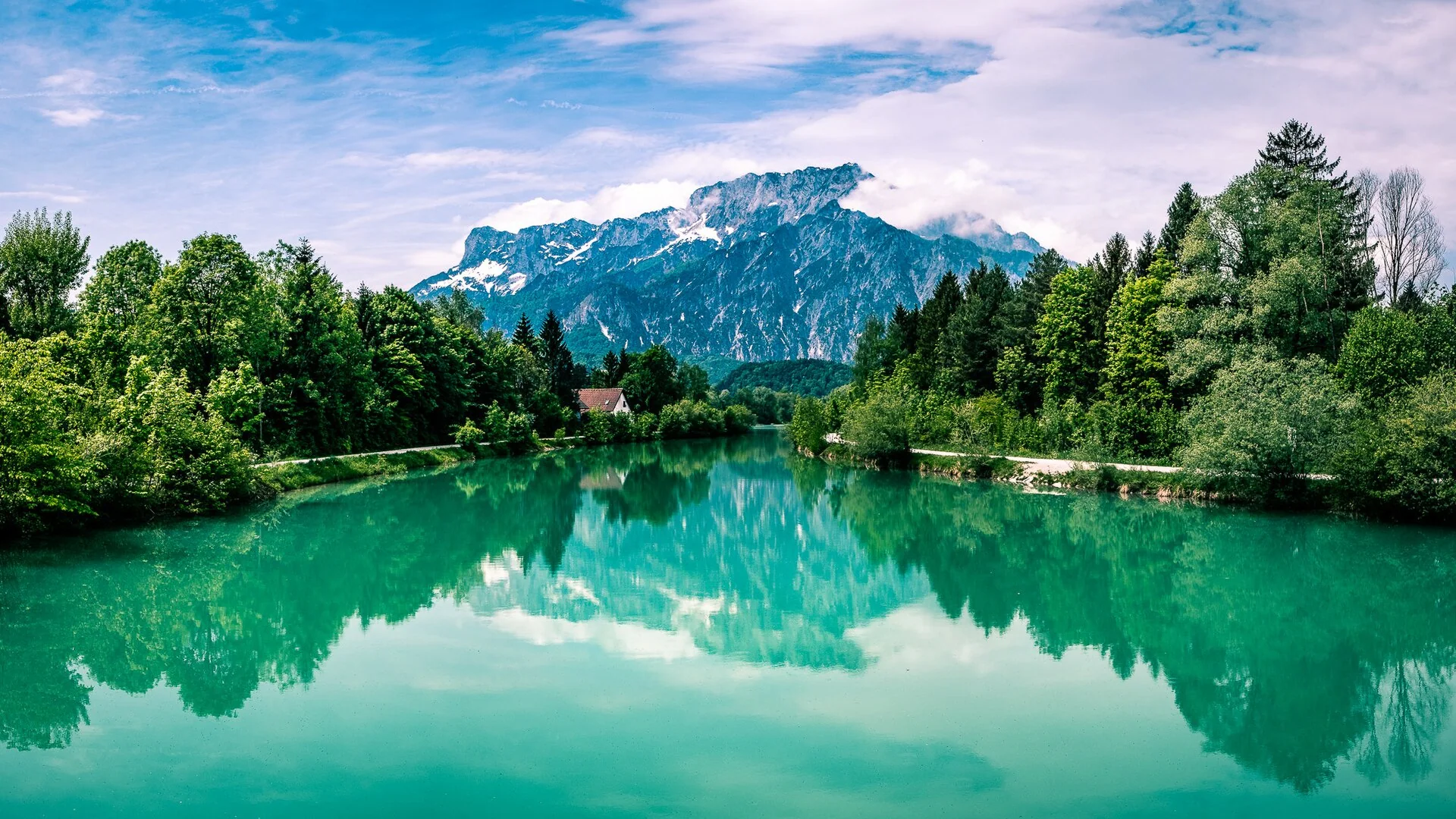
While Austria may be in the very heart of Europe, the country has plenty of attractions to see. There are scenic backdrops, traditional music, visual architectural styles and an ethnically homogenous culture in its range.
Besides all that rustic, tranquil nature and countryside, Austria has a whole other side too. As one of Europe's former great powers, Austria boasts a wealth of majestic architecture and historic structures. As it was long a centre of power in the Holy Roman Empire, you'll find not only palaces and magnificent city architecture but also grand cathedrals, monasteries and churches. Vienna , the country's capital and most popular destination, is packed with Medieval and Baroque structures. Schönbrunn Palace with its 1441 rooms is the absolute highlight, and every little girls' princess dream. Its zoo, Tiergarten Schönbrunn , is the oldest in the world. The 12th century St. Stephen's Cathedral is the most prominent religious building. The same goes for Innsbruck , at the heart of Tyrol . The Mariazell Basilica in Mariazell is one of the country's most visited attractions and an important pilgrimage destination. Similar to Schönbrunn Palace is Schloss Esterházy in Eisenstadt , which is situated in the most eastern province. It's said to be one of Austria's most beautiful baroque castles. Neusiedler See, a national park, is also worth seeing in this region.
Salzburg was the birthplace of Mozart, and combines delightful Alpine surroundings with a beautifully preserved historic centre. It was also the home of the Trapp Family singing group, which inspired the 1956 film Trapp-Familie ( watch it on YouTube ), and the 1965 film The Sound of Music , which introduced the English-speaking world to the Austrian Alps, but was poorly received in Austria itself.
Experiences
Austria is well known for its scenic cycle routes along its largest rivers. Though Austria is a mountainous country, cycle routes along rivers are flat or gently downhill, and therefore suitable even for casual cyclists. The most famous route is the Danube cycle path from Passau to Vienna, one of the most popular cycle paths in Europe, drawing large crowds of cyclists from all over the world each summer. Other rivers with well-developed cycle routes are the Inn, Drau, Moell and Mur. Most routes follow a combination of dedicated cycle paths, country lanes, and traffic calmed roads, and are well suited for children.
Many visitors come to experience Austria's musical heritage. Salzburg and Vienna offer world renowned opera, classical music and jazz at moderate prices, but performances of high standards are also widely available throughout the rest of the country. There are dozens of Summer festivals for all tastes, the most famous being the avant-garde Salzburg festival ( Salzburger Festspiele ) but because they're aimed at tourists prices can be high. Austria's strong musical tradition is not confined to classical music alone. Austrian folk music ( Volksmusik ) is an integral part of rural Austria, and is said to have influenced many of the nation's big composers. In the Alps almost every village has its own choir or brass band ( Blasmusik ), and you'll often see groups of friends sitting down to sing Lieder in rural pubs. Traditional Alpine instruments are the accordion and zither. In Vienna a type of melancholic violin music known as Schrammelmusik is often performed in Restaurants and Heurigen .
Culture and food
Austrian food is distinctive and delicious, and is traditionally of the stodgy, hearty "meat and dumplings" variety. Wiener Schnitzel (a bread-crumbed and fried veal escalope) is something of a national dish, and Knödel are a kind of dumpling which can be made either sweet or savory according to taste. In Vienna the Tafelspitz (boiled beef with potatoes and horseradish – it's classier than it sounds) is traditionally served on Sundays, and is normally accompanied by clear broth with dumplings and herbs. Apart from these, Austria is renowned for its pastries and desserts, the most well-known of which is probably the Apfelstrudel .
Bread ( Brot ) is taken seriously in Austria. Almost every village has its own bakery, offering a large choice of freshly baked sweet and savoury rolls daily from 06:00. Rye bread ( Vollkornbrot , Bauernbrot ) is the traditional staple food among peasants. If this is too heavy for you, try the common white bread roll ( Semmel ). Somewhat surprisingly, it is easier to find good bread outside of Vienna, where the baking industry hasn't yet come to be dominated by industrial scale chain shops.
Some Austrians have a habit of eating sweet flour-based dishes ( Mehlspeise ) for a main course once a week. Varieties include Kaiserschmarren , Marillenknoedel , and Germknoedel .
Planning your route
Trains are the best and most common form of mass transport in Austria. Comfortable and moderately priced trains connect major cities and many towns; buses serve less significant towns and lakes. The two forms of transport are integrated and designed to complement each other, and intercity coaches exist but don't provide anywhere near the level of intercity rail service. Between Vienna, Linz, and Salzburg trains run every 30 minutes or even more frequently. Trains between Vienna, Graz, Innsbruck and Bregenz operate at least hourly. The 2½-hour train ride to Graz takes you along one of the world's oldest mountain railways (Semmeringbahn). 14 tunnels and 16 viaducts were built to cross the Alps. ÖBB-operated trains, especially trains between Vienna and Graz and ICE trains to Linz and between Salzburg and Carinthia, may use coaches owned by other countries' national operators, just check the train number.
Travel guide text compiled and adapted from Wikivoyage article (contributors). Sections were selected and reordered for this guide. Text is shared under CC BY-SA 4.0. Check current arrangements with your travel consultant.
Plan the full journey
Useful for this trip
This country’s visa guidance has not been fully verified against current official requirements. Confirm the application route for your passport, residence and purpose before making travel commitments.
Review details
Austria: Official pages were retrieved, but the complete imported guidance has not been corroborated claim by claim for Kenyan ordinary passports. Still to confirm: passport validity, tourist and business eligibility, application route, any exemptions and published processing guidance. Residents using other passports require a separate nationality check.