
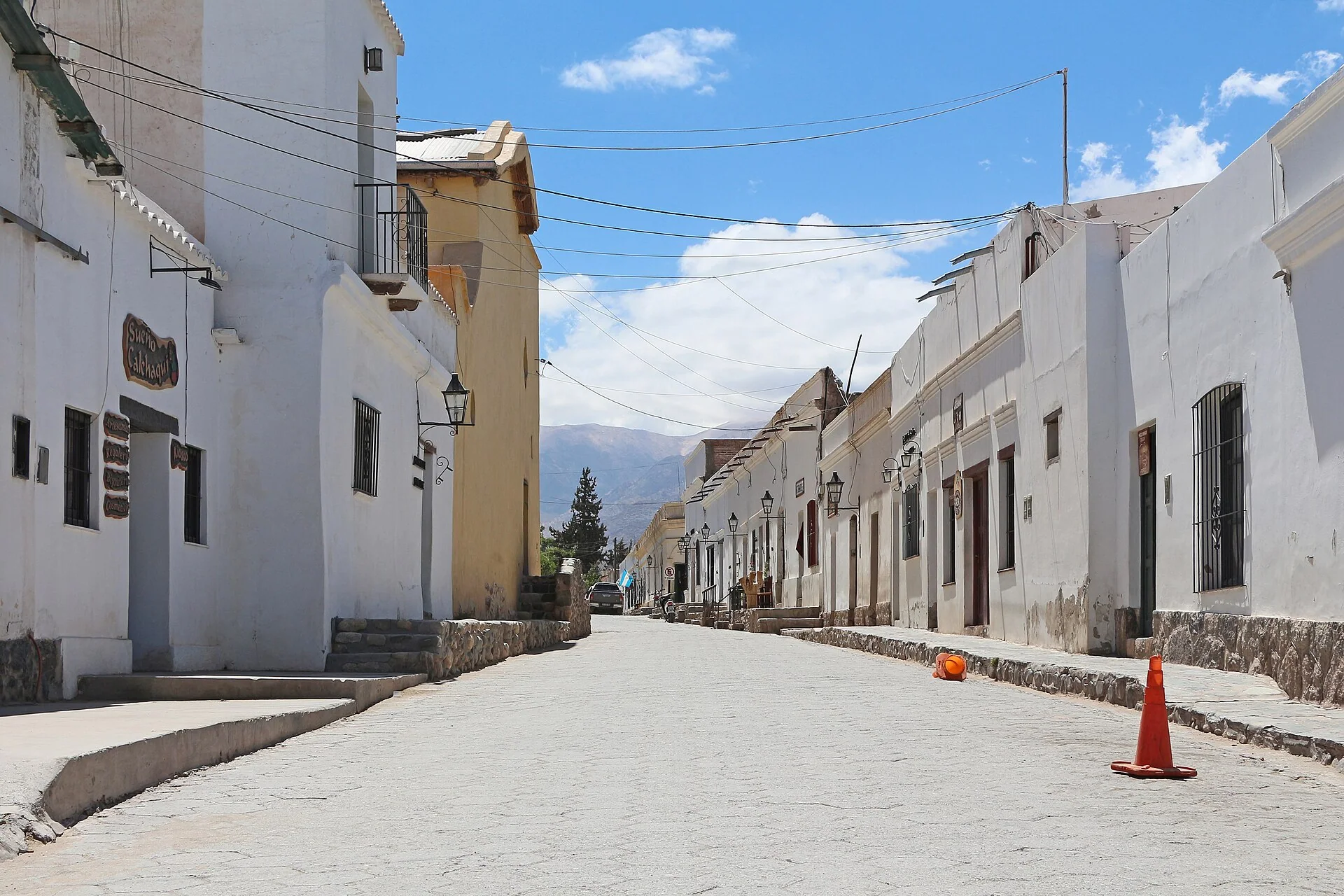
Argentina
Argentina is a large country in the southern part of South America . It offers a great diversity of climates and landscapes from jungles in the north, great grass plains in the center and…
At a glance
Useful facts for planning
In this guide
Why go
Overview
Argentina is a large country in the southern part of South America . It offers a great diversity of climates and landscapes from jungles in the north, great grass plains in the center and frozen mountains in the south.
Argentina, officially the Argentine Republic ( Spanish : República Argentina ), is in South America , and is the eighth-largest country in the world. The highest and the lowest points of South America are also in Argentina: At 6,960 m, Cerro Aconcagua is the tallest mountain in the Americas while Laguna del Carbón , at 105 m below sea level, in Santa Cruz Province is the lowest point in South America.
At the southern tip of Argentina there are several routes between the South Atlantic and the South Pacific Oceans including the Strait of Magellan, the Beagle Channel, and the Drake Passage – as alternatives to sailing around Cape Horn in the open ocean between South America and Antarctica .
The name Argentina derives from argentinos , the Ancient Greek diminutive (tinos) form for silver (argentos), which is what early Spanish explorers sought when they reached the region in the 16th century.
The deserts of Cuyo , which can reach temperatures of 45°C, are extremely hot and dry in the summer and moderately cold and dry in the winter. Spring and fall often exhibit rapid temperature reversals; several days of extremely hot weather may be followed by several days of cold weather, then back to extremely hot.
The Andes are cool in the summer and very cold in the winter, varying according to altitude. Northwest Argentina's climate varies by altitude with lowland areas experiencing hot summers and mild winters while icy conditions prevail at the highest altitudes. Salta and San Salvador de Jujuy are in valleys and are characterized by a pleasant climate year-round.
Sights and landscapes
For many visitors, Argentina as a country has the same seductive appeal as the tango for which it's famous. Just like that iconic partner dance, Argentina embraces you, constantly moving to the rhythm of the streets and improvising every step of the way.
Its large cities all bustle with life. The famous capital, Buenos Aires , is the most visited city in South America and a place like no other. Of course, there's fancy cosmopolitan boutiques, top of the line nightlife and gourmet cuisine. However, it's the classic, unpolished side of the city that makes it a worldwide traveler's magnet. The downtrodden but colorful neighborhoods where crazy traffic sounds drown out distant accordion tunes, the pleasant street-cafés and parillas (steak houses), busy outdoor markets and the lovely old centre with its European colonial architecture. San Telmo is the oldest neighborhood of the city and a good place to indulge in the city vibe of cafés, street artists, tango parlors and antique markets in a colonial surrounding.
Experiences
Argentina is a great country to seek out the nature, glaciers, lakes and mountains for a couple of days with a tent, sleeping bag and cooking ware. Many of the above-mentioned sights are spotted with beautiful hiking trails of varying quality and level, like El Chalten , San Carlos de Bariloche , or El Bolsón —read there for more information on specific trails. Often you will have to climb up a mountain to see a glacier or a lake, just to return later—in that case consider leaving your (heavy) luggage where it cannot be found and enjoy the trail without the burden, but remembering where you left your backpack before.
Buenos Aires has a number of walking tour options. They include the typical tours you may find in any city, as well as interesting options including free walking tours, downloadable MP3 walking tours, and even running tours.
The Andes mountain range runs through western Argentina where a number of ski resorts offer Downhill snowsports between the months of June and September (sometimes longer, depending on snowfall and temperatures that year). Die-hard skiers from northern countries often travel to southern hemisphere countries like Argentina in an effort to practice their favorite winter sports all year round. Some of Argentina's ski resorts are:
Culture and food
Argentinian breakfasts are somewhat light compared to what those from English-speaking countries are accustomed to. Typically, it consists of a hot drink (coffee, tea, milk) with some toast, medialunas (croissants, literally "halfmoons") or bread.
Hotels typically provide a free buffet consisting of coffee, tea, drinkable yogurt, assorted pastries and toast, fruit and perhaps cereal. These kinds of breakfasts are also readily available in the many cafes.
Planning your route
Argentina is a colossal country. With a land area of 2,780,400 square kilometres (1,073,500 sq mi), travelling from one region to another can take a lot of time.
Some of the provinces have restrictions on the transport of fresh fruit and vegetables. Police will occasionally search buses and check the luggage of plane passengers when they disembark.
Travel guide text compiled and adapted from Wikivoyage article (contributors). Sections were selected and reordered for this guide. Text is shared under CC BY-SA 4.0. Check current arrangements with your travel consultant.
Plan the full journey
Useful for this trip
This country’s visa guidance has not been fully verified against current official requirements. Confirm the application route for your passport, residence and purpose before making travel commitments.
Review details
Argentina: Official pages were retrieved, but the complete imported guidance has not been corroborated claim by claim for Kenyan ordinary passports. Still to confirm: passport validity, tourist and business eligibility, application route, any exemptions and published processing guidance. Residents using other passports require a separate nationality check.