
Uzbekistan
Uzbekistan (Uzbek: Ўзбекистон Oʻzbekiston ) is the most populous country in Central Asia and is rich in history, culture, and diversity. It has been a part of numerous empires and was once a key…
At a glance
Useful facts for planning
In this guide
Why go
Overview
Uzbekistan (Uzbek: Ўзбекистон Oʻzbekiston ) is the most populous country in Central Asia and is rich in history, culture, and diversity. It has been a part of numerous empires and was once a key part of the Silk Road , making it an excellent destination for the history buff. Although Uzbekistan is often overlooked as a tourist destination, there is plenty to see and do in this beautiful country, and Uzbeks are warm and hospitable.
The meaning of the name Uzbek is disputed. One version is that it is derived from Turkish 'uz/öz' ('good' or 'true') and 'bek' ('guardian'). Unlike the neighbouring Kazakhs and Kyrgyz, but like their close cousins the Uyghurs, the Uzbeks were mostly a sedentary people, building impressive cities along the old Silk Road
There is a large population of people in Uzbekistan that speak Tajik (or other dialects of Persian), owing to historic communities in the region. Some of those people consider themselves Uzbek while others consider themselves as Tajik/Persian and living in Uzbekistan . There are also plenty of people who come from mixed Uzbek-Tajik families.
The earliest people in what is now Uzbekistan (that we have names for) are the Saka/Scythians, an Iranian-speaking nomadic peoples that controlled the western steppes from Dobruja to Tocharia from the 9th-3rd centuries BCE. Eventually, Iranian peoples settled down in the region, founding the great cities of Samarkand, Khiva, and Bukhara. These cities served as the northernmost border cities of the different Persian empires, although Irainian-speaking nomads still roamed the steppes to the north. Samarkand (then known as Maracanda ) was conquered by Alexander the Great during his campaigns against the Achaemenids (Persia under Cyrus the Great), and the cities of Cyra and Khujand (now both in Tajikistan) were the furthest north Alexander ever got.
Sights and landscapes
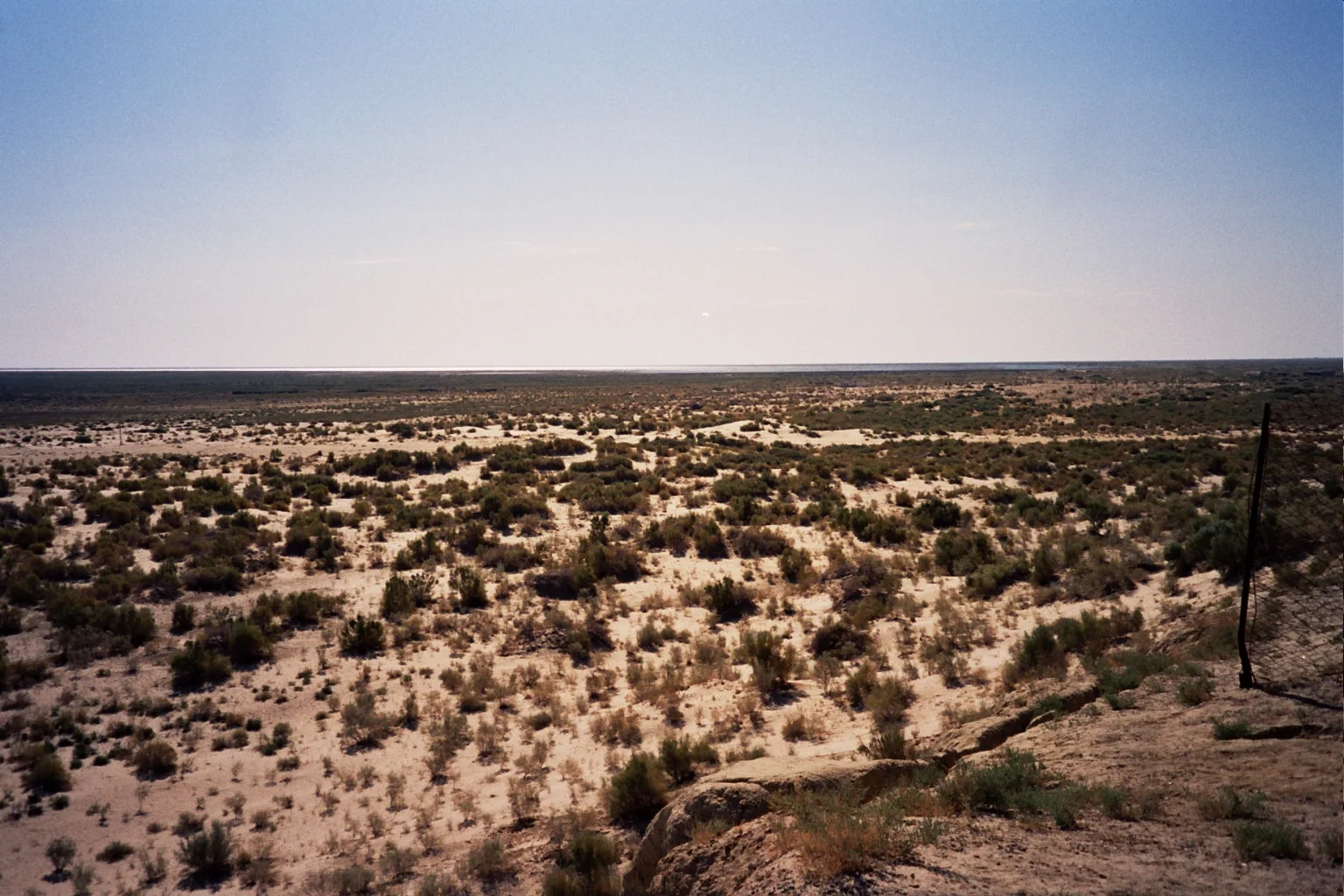
Uzbekistan, a republic in the former Soviet Union , is one of the cradles of culture in the Central Asia region. The country offers an array of semi-arid landscapes and ancient sites, steeped with a history along the Silk Road .
Uzbekistan has preserved a rich architectural heritage. The construction of monumental buildings was seen as a matter of prestige, emphasizing the power of the ruling dynasty, leading families and higher clergy. The external appearance of towns was determined to a great extent by their fortifications. The walls were flanked at regular intervals by semicircular towers and the entrances to towns were marked by darwazas (gates). These gates usually had a high vault and a gallery for lookout and were flanked by two mighty towers. The doors were closed at night and in case of danger. Along the main streets were rows of shops, specialized in different goods, and many skilled craftsmen had their workshops in these stalls. The most important covered markets are called tag , tim or bazaars (shopping passages) and charsu (crossroads, literally "four directions"). In big cities the ark (fortress) was the administrative center. It contained the emir's palace, chancellery, treasury, arsenal and the jail for high-ranking prisoners. The towns also had large public centres, consisting of a maydan (open square) surrounded by large buildings for civil or religious purposes.
Culture and food
When you go to restaurants, always ask for menu or price if they do not provide one. While some of the well-established restaurants provide surprisingly good value by European standards, some of the random or less popular restaurants try to take advantage of tourists by overcharging up to five times the normal price.
Being a historic crossroads and part of numerous empires, Uzbek food is very eclectic in its origins. Indian, Iranian, Arab, Russian, Chinese and even Korean influences all contribute to Uzbekistan's unique cuisine.
Since the Republic of Uzbekistan is a secular state, the sale/purchase and consumption of alcoholic beverages are allowed and absolutely free, as for example in Turkey or Russia . Previously, alcohol was sold in any stores, but now the laws allow selling alcoholic beverages only to those stores that have a license and are several hundred meters away from schools/kindergartens and religious sites.
Planning your route
The most comfortable way to travel between the major tourist cities in Uzbekistan is by train. The main line Tashkent – Samarkand – Bukhara is served once a day in each direction by two express trains named "Afrosiob" and "Sharq": The Afrosiob is a Talgo-250-type train that takes 2.5 hours for Tashkent to Samarkand and it even meets most definitions of high speed rail at 250 km/h (160 mph) top speed. Afrosiob is Central Asia's only high-speed rail service. The "Sharq" takes less than 7 hours for the 600-km-journey Tashkent – Bukhara (with intermediate stop in Samarkand). A daily overnight train to and from Tashkent to Kungrad offers the possibility to travel during the night and so a day is not lost travelling. Comfortable sleeping carriages allow a good sleep.
The timetable is available online . The server is often down, but you can use the Russian Railways website to see timetables. Tickets can be booked from the Uzbekistan Railways website .
Travel guide text compiled and adapted from Wikivoyage article (contributors). Sections were selected and reordered for this guide. Text is shared under CC BY-SA 4.0. Check current arrangements with your travel consultant.
Plan the full journey
Useful for this trip
This country’s visa guidance has not been fully verified against current official requirements. Confirm the application route for your passport, residence and purpose before making travel commitments.
Review details
Uzbekistan: The supplied sources could not provide sufficient readable official guidance during this assessment. Still to confirm: passport validity, tourist and business eligibility, application route, any exemptions and published processing guidance. Residents using other passports require a separate nationality check.