
Togo
Togo is a narrow country in West Africa , sandwiched between Ghana on the west and Benin on the east. It is a charming country, mostly due to its charming people as there are…
At a glance
Useful facts for planning
In this guide
Why go
Overview
Togo is a narrow country in West Africa , sandwiched between Ghana on the west and Benin on the east. It is a charming country, mostly due to its charming people as there are not many tourist attractions. Wedged in its skinny size, Togo boasts a deep spiritual heritage and striking sun-drenched landscapes.
In an 1884 treaty signed at Togoville, Germany declared a protectorate over a stretch of territory along the coast and gradually extended its control inland. This became the German colony of Togoland in 1905. After the German defeat during World War I in August 1914 at the hands of British troops (coming from the Gold Coast) and the French troops (coming from Dahomey), Togoland became two League of Nations mandates, administered by the United Kingdom and France. After World War II, these mandates became UN Trust Territories. The residents of British Togoland voted to join the Gold Coast as part of the new independent nation of Ghana, and French Togoland became an autonomous republic within the French Union.
Togo's size is just less than 57,000 km² (22,000 sq mi). It has a population of more than 6,600,000 people, which is dependent mainly on agriculture. The mild weather makes for good growing seasons. Togo is a tropical, sub-Saharan nation.
Sights and landscapes
Lomé's markets, both general and voodoo, are the most popular stop in the country along the road between Ghana and Benin. The smaller towns of Togoville on Lake Togo and Aneho on the ocean are also popular stops for the former's voodoo shrines and historic sights and the latter's beaches.
Lately, the coffee growing region around Kpalimé has become popular with the errant tourist in Togo, with a good number of nice hikes, cooler weather, and pleasant views.
Perhaps the most alluring part of the country is the hardest to get to—the hilly and sparsely populated north. The best known destination is Tamberma Valley — the Koutammakou UNESCO World Heritage site, to the north of Kara . The local Batammariba people (known by colonists as the Tamberma) constructed and live in unique Takienta (a.k.a. Tata) "tower-houses" of mud and straw, which arguably have become the Togolese national symbol. It's a surreal dreamland of a place, and easily a highlight of a trip to Togo, although it is a journey to get there.
Togo's few parks and reserves are relatively rarely visited, but if you manage to make it out there on a safari, Fazao Mafakassa National Park in the center-west of the country is quite beautiful. In the far north of the country is Kéran National Park, with one of the larger elephant populations in West Africa. Aside from Kéran, the north also offers a ton of potential outdoor excursions, with nice hikes up mountains, out to waterfalls, etc. Akloa falls
Experiences
Sports, especially football, are the main entertaining activity in Togo. You can watch the football league games played in the weekends (check listings). Apart from football, there are several night clubs that can keep you awake at night, and the capital is full of them; the Chess BSBG is among the most popular.
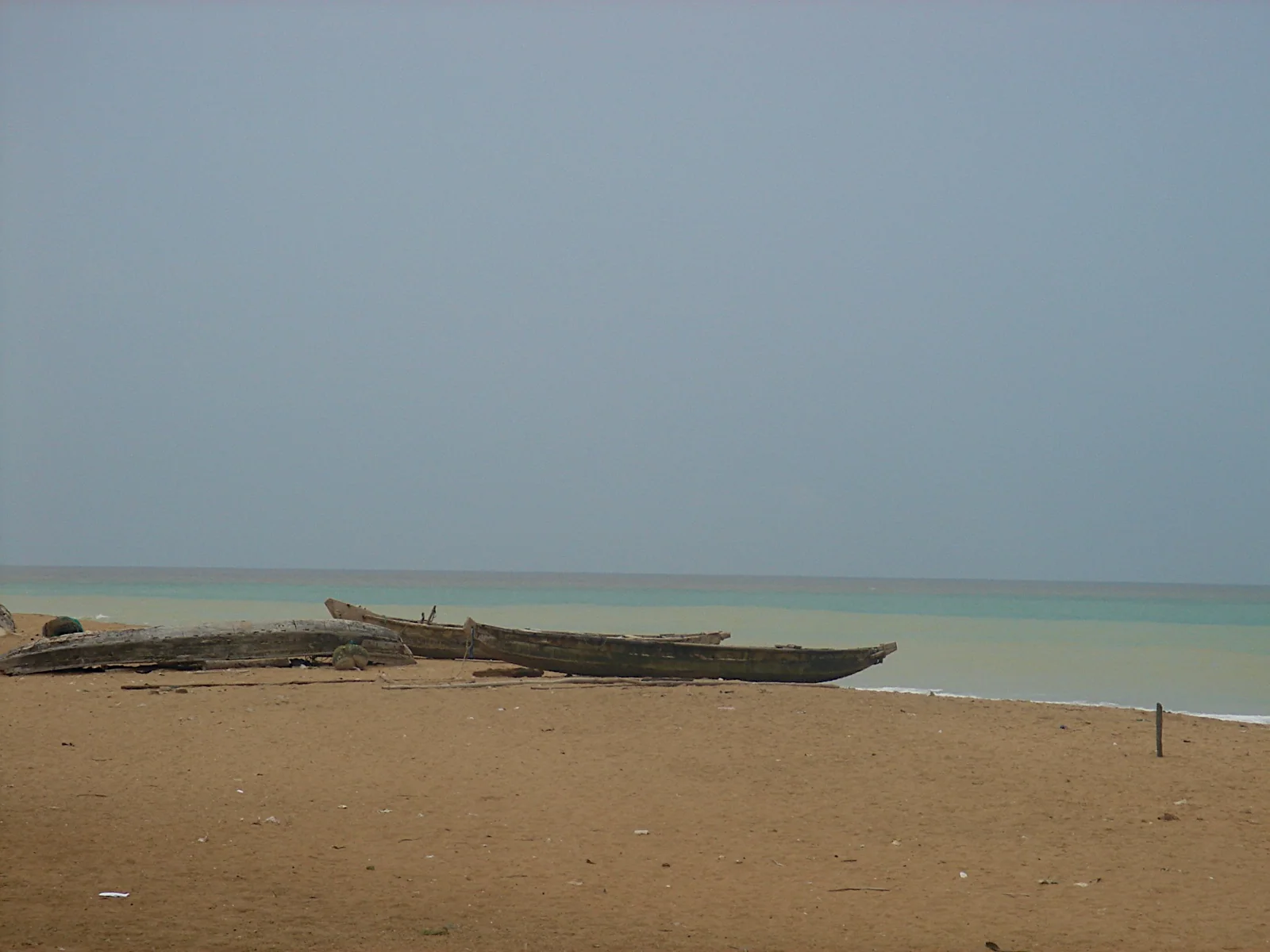
The beach offers another type of fun. Many activities and parties are organized there, with people coming from all over Lomé to enjoy the beautiful weather in the weekends. Despite those great things at the beach, you really have to choose a good spot to avoid stepping or sitting on the unwanted.
Culture and food
Akume is made from corn flour. The "national" dish of West-Africa is Fufu. In Togo, it consists of white yams pounded into a doughy consistency. You will find plenty of Fufu Restaurants in the cities as well as roadside stands. Akume and Fufu are usually eaten with your hands and come with different sauces (from smoked fish to spicy tomato to peanut).
There are a lot of local fruits sold on the side of the highways and main country roads – pineapples, oranges, mangoes, etc. You can also sometimes see them selling African fan palm fruits (Borassus aethiopum) which look like orange coconuts. Ripe fruit can be opened by removing the top (cap) and then peeling off the skin (using hands or machete) – then people suck on the bright orange fibres as they are quite sweet and reminiscent of mango. Not for everyone but can be fun if you are into trying out exotic fruits.
Lemonade and Bissap juice are the most popular drinks. There are many bars almost around all corners in Lomé where you will be able to have a beer.
The most popular drinks you will find in common bars are beers and sodas. Here is a list of the beers you may find based on their popularity:
Planning your route
A taxi-moto (motorcycle taxi) will cost CFA 150-500 to get you around. You can tell who the taxi-moto drivers are: they will honk or hiss at you as they drive by and usually wear baseball caps and sunglasses. A taxi will usually cost about CFA 500 for a one-way short trip inside the city, for trips to the northern parts of the city expect to pay up to CFA 2,500. Taxis will have yellow licence plates and their registration number painted on the car. Always negotiate before you get on/in, the quoted price will include tip.
Sometimes, when you are on a side street, it might be helpful if you ask a security guard to wave down a taxi for you. Tipping CFA 300-600 is expected.
Travel guide text compiled and adapted from Wikivoyage article (contributors). Sections were selected and reordered for this guide. Text is shared under CC BY-SA 4.0. Check current arrangements with your travel consultant.
Plan the full journey
Useful for this trip
This country’s visa guidance has not been fully verified against current official requirements. Confirm the application route for your passport, residence and purpose before making travel commitments.
Review details
Togo: Official pages were retrieved, but the complete imported guidance has not been corroborated claim by claim for Kenyan ordinary passports. Still to confirm: passport validity, tourist and business eligibility, application route, any exemptions and published processing guidance. Residents using other passports require a separate nationality check.