
Timor-Leste
Timor-Leste is well positioned for community-based ecotourism, which has been written into the nation's tourism strategic plan. The Nino Konis National Park (situated in the eastern part of the country) is a well protected…
At a glance
Useful facts for planning
In this guide
Why go
Sights and landscapes
Timor-Leste is well positioned for community-based ecotourism, which has been written into the nation's tourism strategic plan. The Nino Konis National Park (situated in the eastern part of the country) is a well protected area and considered as some of the last surviving zones of tropical lowland rainforest in the world with rich coastal environment. The national park accommodates bird-watching, diving, trekking and pre-historic archeological sites.
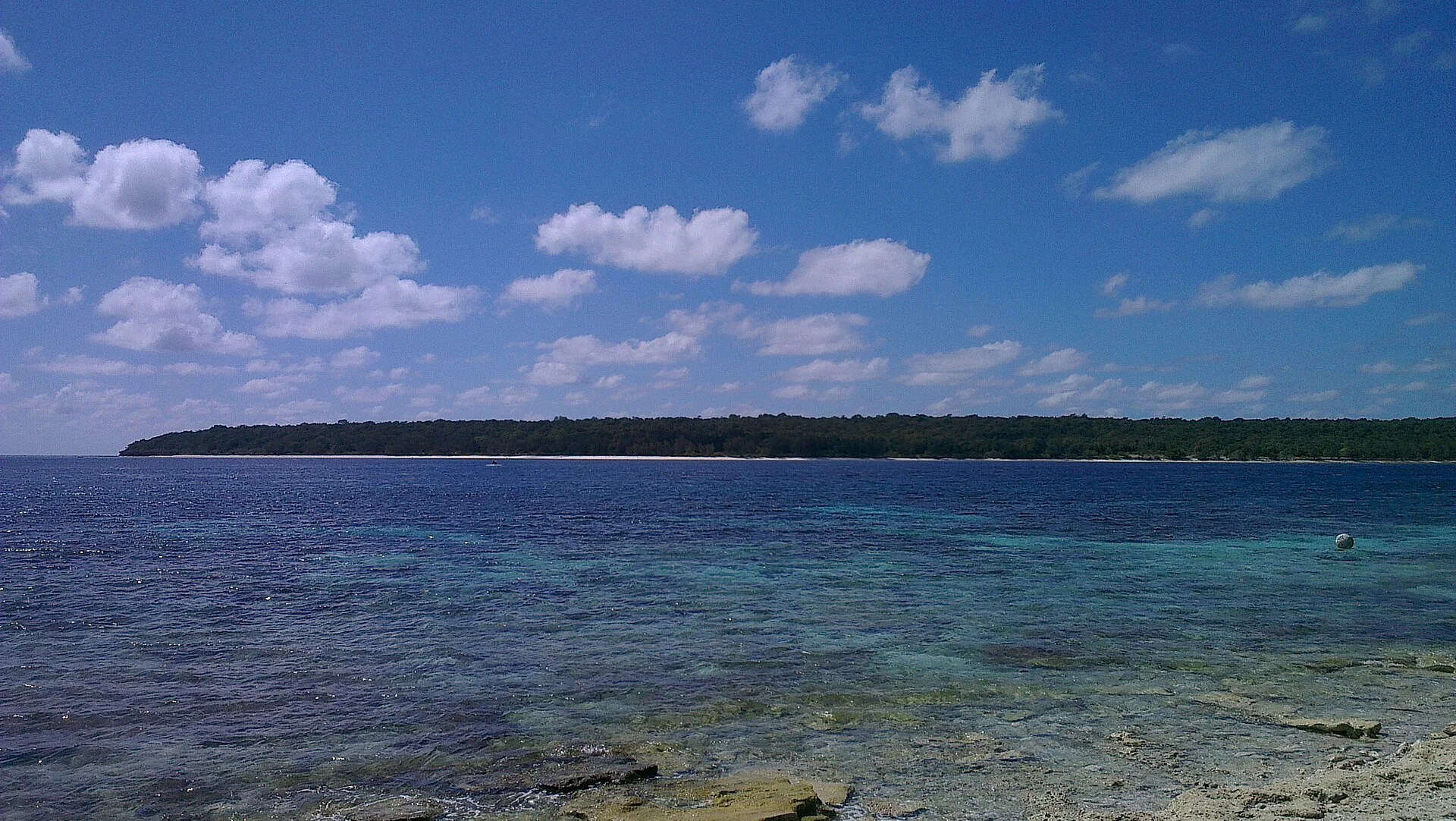
Atauro Island and Jaco Island in Tutuala attract divers, snorkelers and green tourism enthusiasts. Both destinations provide eco-lodge facilities with some support from local NGOs in the region. A must-see attraction is the local divers and fishermen in Atauro, who fish using only traditionally made goggles and spear guns. Atauro is also well known for its distinctive wooden sculptures and is an excellent place to buy variety handicrafts.
Experiences
Timor-Leste has some of the best scuba diving in the world. Timor-Leste is at the end of the Indonesian archipelago, north of Darwin, Australia and at the base of the Coral Triangle, which hosts the highest diversity of coral and reef fish species on earth.
Atauro Island is Timor-Leste's most pristine diving area. Around the island is a large variety of dives suitable for every level. Visibility is always excellent, and the abundancy of fish life and coral is simply overwhelming.
Dili has some great dives close by. Only 5 min from the centre of town is Pertamina Pier, one of Timor-Leste's best dives for critters, octopus and schooling Barracudas. 10 min west of Dili is Dili Rock (east & west). This is one of Timor's most popular dive sites and it acts as the main training dive site. Known for its easy access and great conditions Dili East offers opportunities to see Leaf Scorpion fish, Angler fish and Ghost pipe fish. As you head further west towards Liquica you come to such dive sites as Bubble beach (known for its amazing bubble fields and spectacular deep dive) the gravel pit and Devil ray point. There are two major diving companies in Dili: Freeflow Diving and Dive Timor-Lorosae .
East of Dili divers can experience shore diving at its best. Easy access along the coast allows divers safe entry to great wall dives. Secret garden, K41, Bob's Rock and Lone Tree are some of the amazing dives that can be done within an hour of Dili. Approximately 40 min east of Dili the diving starts and continues as far as Com some 200 km away. The variety of dives along this stretch of road is endless yet K41 and shark point are among the favourites of the local divers.
Timor-Leste offers world-class trekking, which can be experienced near places such as Mount Tatamailau (± 3000 m above sea level), Ainaro, Mt. Matebian (Baucau) and Mt. Kablaki (in Same district).
Coffee had been the main export commodity for Timor-Leste since the colonial period. Coffee is grown in several regions such as Ermera, Maubisse, Manufahi and Liquisa. Travel to the coffee plantations takes you through winding mountainous roads, until over 1,000m above sea level altitude, cool climate (as low as 15°C), and greeted by smiling farmers who are more than willing to welcome you to their homes. Other alternative is to contact one of the organizations dealing with coffee for a field visit to their cooperative farmer member's coffee plantation. They are: CCT/NCBA, ELSAA Cafe, Timor Global, Timor Corp, Peace Winds , PARC-IC and Alter Trade Timor.
Timor's coffee is now well known around the world and amongst organic coffee drinkers. It is sold by Starbucks as 'Arabia Timor' brand. Several organizations are promoting Timor-Leste coffee as Fair Trade Coffee in the U.S., Japan and South Korea.
Culture and food
The staple food in Timor-Leste is rice. Commonly grown food crops include taro, cassava, sweet potatoes and maize. Beans, cabbage, cowpeas, onions and spinach are well-liked vegetables. People also rear poultry, goats and pigs. Fish forms an important part of the diet and acts as a supplement to any meal. Most traditional Timor-Leste recipes use a generous dose of spices. Mangoes, watermelons, papayas, bananas and coconuts are the most commonly cultivated fruits here. Carbohydrates like sago or other grains form the main dish for many a Timor-Leste meal.
Many restaurants in Dili serve Portuguese and Italian cuisine and you can find Chinese, Japanese and Thai as well. Significant numbers of foreigners living and working in Timor-Leste ensure a loyal clientele for these restaurants.
Planning your route
Buses, mostly of the small variety found on remote Indonesian islands, run to most parts of the country and main cities like Dili, Baucau, Maliana, Los Palos and Suai are quite well linked. Indonesian-style bemos (vans), anggunas (light trucks with benches at the back) and mikrolets (minibuses) – legacies from its 24-year rule – run from these cities to nearby villages.
Most departures take place very early in the morning and drivers have a tendency of doing keliling (Indonesian for "going round") where they spend a considerable amount of time combing the streets and scouting for passengers before actually departing.
Fares depend on the rough distance and mode of transport. For example, Dili-Aileu {39 km (24 mi)) by Angguna costs US$2, Dili-Maubisse (65 km (40 mi)) by Angguna is US$4, while Dili-Baucau (123 km (76 mi)) by bus costs US$5. Microlets within Dili and Baucau are 25 centavos per ride.
Travel guide text compiled and adapted from Wikivoyage article (contributors). Sections were selected and reordered for this guide. Text is shared under CC BY-SA 4.0. Check current arrangements with your travel consultant.
Plan the full journey
Useful for this trip
This country’s visa guidance has not been fully verified against current official requirements. Confirm the application route for your passport, residence and purpose before making travel commitments.
Review details
Timor-Leste: Official pages were retrieved, but the complete imported guidance has not been corroborated claim by claim for Kenyan ordinary passports. Still to confirm: passport validity, tourist and business eligibility, application route, any exemptions and published processing guidance. Residents using other passports require a separate nationality check.