
Sudan
The area around the banks of the River Nile was once known as Nubia , one of the world's earliest civilisations that was the main rival of its northern neighbour, Egypt . The city…
At a glance
Useful facts for planning
In this guide
Why go
Overview
The area around the banks of the River Nile was once known as Nubia , one of the world's earliest civilisations that was the main rival of its northern neighbour, Egypt . The city of Kerma is believed to have been the capital of the first centralised Nubian state. Nubia would be annexed by Egypt in the 16th century BCE under the rule of Pharaoh Thutmose I, with its southern limits extended all the way to the city of Napata, leading to the fusion of Egyptian culture with their own native culture by the Nubians.
Sights and landscapes
In Khartoum/Omdurman you must see the Sufi ritual of drumming and trance dancing, about one hour before sunset and Friday prayer. These rituals take place northwest of the Nile river in Omdurman. Very welcoming, festive atmosphere.
A walk around Tuti Island, situated in the middle of the confluence of the two branches of the Nile, can take about four hours. The less populated northern section is pretty, with its shady lanes, and irrigated fields, and there is a great little coffee stall under a tree on the western side.
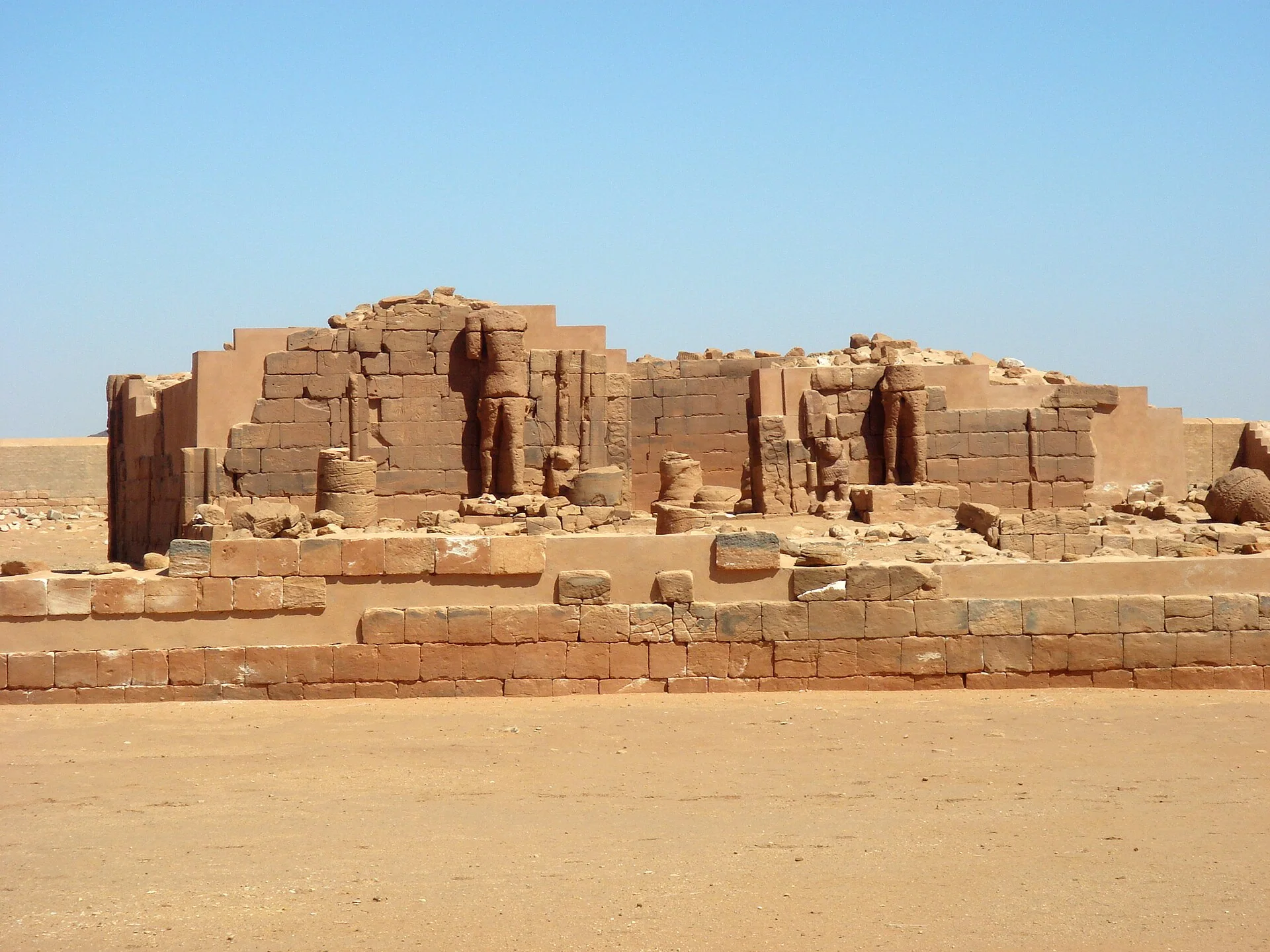
The pyramids of Meroe are 2.5 hours north of Khartoum (leave early to avoid Khartoum traffic). On the same route visit the sites of Naqa and Musawarat. Permits are required before visiting the sites. You pay at each site (which may depend on how well your driver gets along with the guards). Naqa and Musawarat are signposted beside the Nile Petrol station (about 1 hour 15 minutes north of Khartoum) and the track is fairly clear but sandy. It is probably good to carry a GPS to avoid getting lost in the bush.
After 16:00 take a good coffee at the Burj Al-Fatih – also known as Corinthia hotel -, with high altitude view over Khartoum, the Nile, and Omdurman, and stay to watch the sunset. Worthwhile.
About 1½ hours south of Khartoum visit the dam. Just north of the dam (downstream) the Nile is also very wide; on Friday/Saturday the area is popular is day visitors.
There is good diving near Port Sudan, either on live-aboards or from the new Red Sea Resort (north of Port Sudan). Beware the windy season (Nov to Feb) unless you're not prone to seasickness (2½-hour dingy ride from the coast in rough seas can be testing!)
Culture and food
Sudanese cuisine has various influences, but none of them dominates the regional culinary cultures. Among the influences are from Egyptian, Ethiopian, Yemeni and Turkish cuisines (meatballs, pastries and spices), but there are also numerous dishes that are common to all Arabian nations.
One of the main attractions is Sug al Naga (the camel market) north of Omdurman, where you can select your meat of choice and then hand it over to one of the ladies to cook it for you in the way which you prefer.
Islam is the official religion of the country, and alcohol has been banned since sharia was imposed in the 1980s. Sudanese people frequently drink tea , usually sweet and black. Sudan also has some refreshing drinks such as karkade (hibiscus) which can be served hot or chilled, aradeeb (tamarind) and gongleiz (made with the baobab fruit). The local energy drink is a carbohydrate-laden drink known as madeeda. There are several types of madeeda, made with dates, dukhun (millet) or other ingredients blended with fresh milk, and usually heavily sweetened with sugar, though reduced-sugar versions may be available if you ask. Sudanese coffee is available in most souks and is similar to Turkish style coffee; thick and strong, sometimes flavoured with cardamom or ginger with a powerful kick and altogether delicious. Not to be taken before bed though if you want an undisturbed night's sleep!
However, while alcohol is strictly illegal in the Muslim north, locally-brewed alcohol is widely available in various forms and at various degrees of potency. A local beer (merissa) brewed from sorghum or millet is cloudy, sour and heavy and likely to be brewed with untreated water and will almost certainly lead to the 'Mahdi's revenge' (the Sudanese version of ' Delhi belly '). Aragi is a pure spirit distilled from sorghum or in its purest form, dates. It is potent and should be treated with respect, and beware that it is sometimes contaminated with the likes of methanol or embalming fluid to add flavour and potency! Be aware though that all these brews are not only potentially hazardous for your health but illegal, and being caught in possession can result in the full implementation of Islamic law punishments.
Planning your route
Apart from Khartoum, there are small airports in Wadi Halfa , El Debba , Dongola , Port Sudan , El Fasher , Wad Madani , Merowe and El Obeid , all served by Sudan Airways . Most flights operate from Khartoum. Be prepared for changing timetables and cancelled flights.
Although Sudan has one of the largest rail networks in Africa much of it is in a state of disrepair. There is reason for optimism about train travel in Sudan again. The Nile Express , with new trains brought in from China, now whisks passengers between Khartoum and Atbara on renovated tracks. More tracks are being renovated but for now other services are limited to local trains around the capital Khartoum, a weekly service from Wadi Halfa , timed with the ferry to/from Egypt, and a very sporadic service with Nyala . The sole operator of trains in Sudan is the Sudan Railways Corporation .
Travel guide text compiled and adapted from Wikivoyage article (contributors). Sections were selected and reordered for this guide. Text is shared under CC BY-SA 4.0. Check current arrangements with your travel consultant.
Plan the full journey
Useful for this trip
This country’s visa guidance has not been fully verified against current official requirements. Confirm the application route for your passport, residence and purpose before making travel commitments.
Review details
Sudan: The supplied sources could not provide sufficient readable official guidance during this assessment. 1 source link(s) could not be retrieved successfully; see the source log. Still to confirm: passport validity, tourist and business eligibility, application route, any exemptions and published processing guidance. Residents using other passports require a separate nationality check.