
São Tomé And Príncipe
The Portuguese were the first settlers of these previously uninhabited islands in the late 15th century. Attracting settlers proved difficult, however, and most of the earliest inhabitants were "undesirables" sent from Portugal, mostly Jews.…
At a glance
Useful facts for planning
In this guide
Why go
Overview
The Portuguese were the first settlers of these previously uninhabited islands in the late 15th century. Attracting settlers proved difficult, however, and most of the earliest inhabitants were "undesirables" sent from Portugal, mostly Jews. The Portuguese brought in slaves from Africa to cultivate sugar, coffee and cocoa. Nearly all of its current residents are descended from people from different countries taken to the islands by the Portuguese from 1470 onwards.
São Toméan culture is a mixture of African and Portuguese influences. São Toméans are known for ússua and socopé rhythms, while Príncipe is home to the dêxa beat. Portuguese ballroom may have played an integral part in the development of these rhythms and their associated dances. Tchiloli is a musical dance performance that tells a dramatic story. The danço-Congo is similarly a combination of music, dance, and theatre.
Sights and landscapes
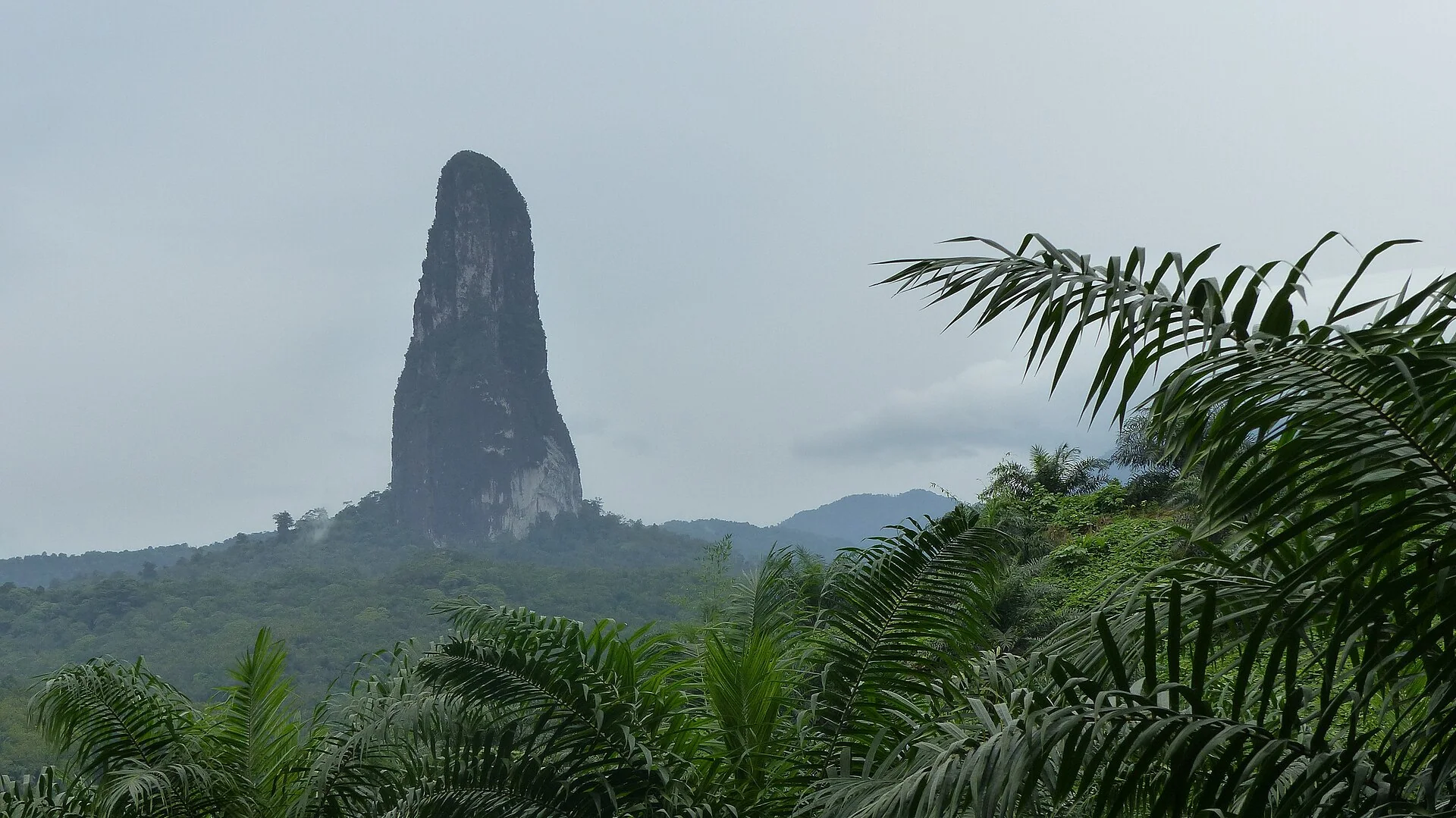
São Tomé and Príncipe was uninhabited before colonization by the Portuguese in the 1490s. Since then, much of the landscape has remained unchanged or, where former plantations once stood, reclaimed by the rainforests. The islands are covered by lush rainforests and with a small population and very few tourists, and remain for visitors a veritable tropical paradise.
The interior of São Tomé island contains Obo National Park . Find a local guide to take you bird-watching, climb the 2,024-meter Pico de Sao Tome, trek to a secluded waterfall, or try to spot as many of the island's 109 species of orchids as you can. Waves enter an underwater cave on the south side of São Tomé island and, with nowhere to go, shoot straight up through the Boca do Inferno (Mouth of Hell) blowhole in an impressive show for visitors. The isolated beaches on Príncipe are breathtakingly beautiful and romantic… don't blame yourself for feeling like you're on a deserted island in the South Pacific.
Just offshore are coral reefs with a large diversity of sea life—including a few endemics as the waters between other islands and the mainland reach 2,000 meters! Diving and snorkeling are the ideal ways to explore the underwater side of this paradise, during which you can come face-to-face with dolphins, large green turtles, and a wide array of colorful fish. Experienced and daring divers can explore underwater caves .
In 2026 six colonial plantations were listed as a UNESCO World Heritage Site , named The Roças of Sao Tome and Principe: Colonial Agricultural System and Forced Migration . These are , , and on São Tomé and and on Príncipe.
Experiences
The waters around São Tomé are clear and rich with life. Consequently, diving, fishing and boat tours provide much to see. The forests of both islands lend themselves wonderfully to hiking .
Walk around. Traffic is light, the sea breeze is cooling, and you can admire the architecture and people. The capital city of São Tomé is replete with public art. Painting and carvings by local artists, in addition to old Portuguese statues, can be found throughout the city. Oftentimes you will walk down the street and turn a corner to come up suddenly against a colorful and sprightly painting right in front of you.
Culture and food
Fish is a staple of the São Toméan diet, often served with breadfruit and mashed, cooked bananas. Tropical fruits such as papaya, mangoes, pineapples, avocado, and bananas are grown plentifully on the islands and are significant components of the cuisine. The use of hot spices is prominent in São Tomése dishes too. The variety of fish is wide, including flying fish at certain times of year. Those who live inland and are unable to afford fish or meat get their protein from buzios, large land snails. Sea snails are also quite common along the coast. The hotels in the capital offer European-style fare at higher prices.
Sum Secreto . Standard grill fare, but they can handle large groups without a reservation. Service is generally very good, and the meat and fish are excellent. Nothing fancy, but the place is popular because it has that secret something.
Beer is readily available everywhere, though São Toméans are not known as big drinkers. Local brands include Creolla and Rosema . Inland, palm wine is available very inexpensively from vendors along the road. In the capital, whiskey and other spirits are popular among the elites. Wine, especially Portuguese vinho verde, is popular with fish dishes.
Planning your route
On São Tomé Island, there are many taxis, including shared ones that depart to other cities when enough people are there. It is common for tourists to rent a car or scooter to better explore all that the island has to offer. Beware that although roads are paved, they are often not in good condition.
To get to Príncipe, the most common choice for tourists are commercial flights (STP Airways) connecting São Tomé International Airport to Príncipe Airport. The aircraft used on this route are small 19 seat Dornier 228 propeller planes. Locals instead typically hop on a cargo boat, but the 10 hour overnight journey is not considered particularly safe. There are faster charter boats that can do the trip in 3.5h.
On Príncipe, there are fewer roads, and many are not paved. It is common to hire a driver (car or motorbike) to explore the island, or to hire a boat.
Travel guide text compiled and adapted from Wikivoyage article (contributors). Sections were selected and reordered for this guide. Text is shared under CC BY-SA 4.0. Check current arrangements with your travel consultant.
Plan the full journey
Useful for this trip
This country’s visa guidance has not been fully verified against current official requirements. Confirm the application route for your passport, residence and purpose before making travel commitments.
Review details
São Tomé And Príncipe: Official pages were retrieved, but the complete imported guidance has not been corroborated claim by claim for Kenyan ordinary passports. Still to confirm: passport validity, tourist and business eligibility, application route, any exemptions and published processing guidance. Residents using other passports require a separate nationality check.