
Samoa
Samoa is an island nation in the South Pacific Ocean , part of Polynesia . It is an archipelago of 10 islands with ancient cultures, dramatic landscapes, and a variety of activities to do,…
At a glance
Useful facts for planning
In this guide
Why go
Overview
Samoa is an island nation in the South Pacific Ocean , part of Polynesia . It is an archipelago of 10 islands with ancient cultures, dramatic landscapes, and a variety of activities to do, such as snorkelling in Samoa's vibrant coral gardens. With a total of 400 kms along its shoreline, it boasts stunning palm-fringed, white-sand beaches and crystal-clear turquoise lagoons.
The country has two main islands, which have narrow coastal plains with volcanic, rocky, rugged mountains in the interior. There are also smaller inhabited islands, and even uninhabited islands that you can visit by boat on day trips.
The last volcanic eruption was in 1911, on Savaii. The eerie, lifeless lava fields that remain from this event can be visited easily, since the only sealed road on Savai'i goes right through the middle.
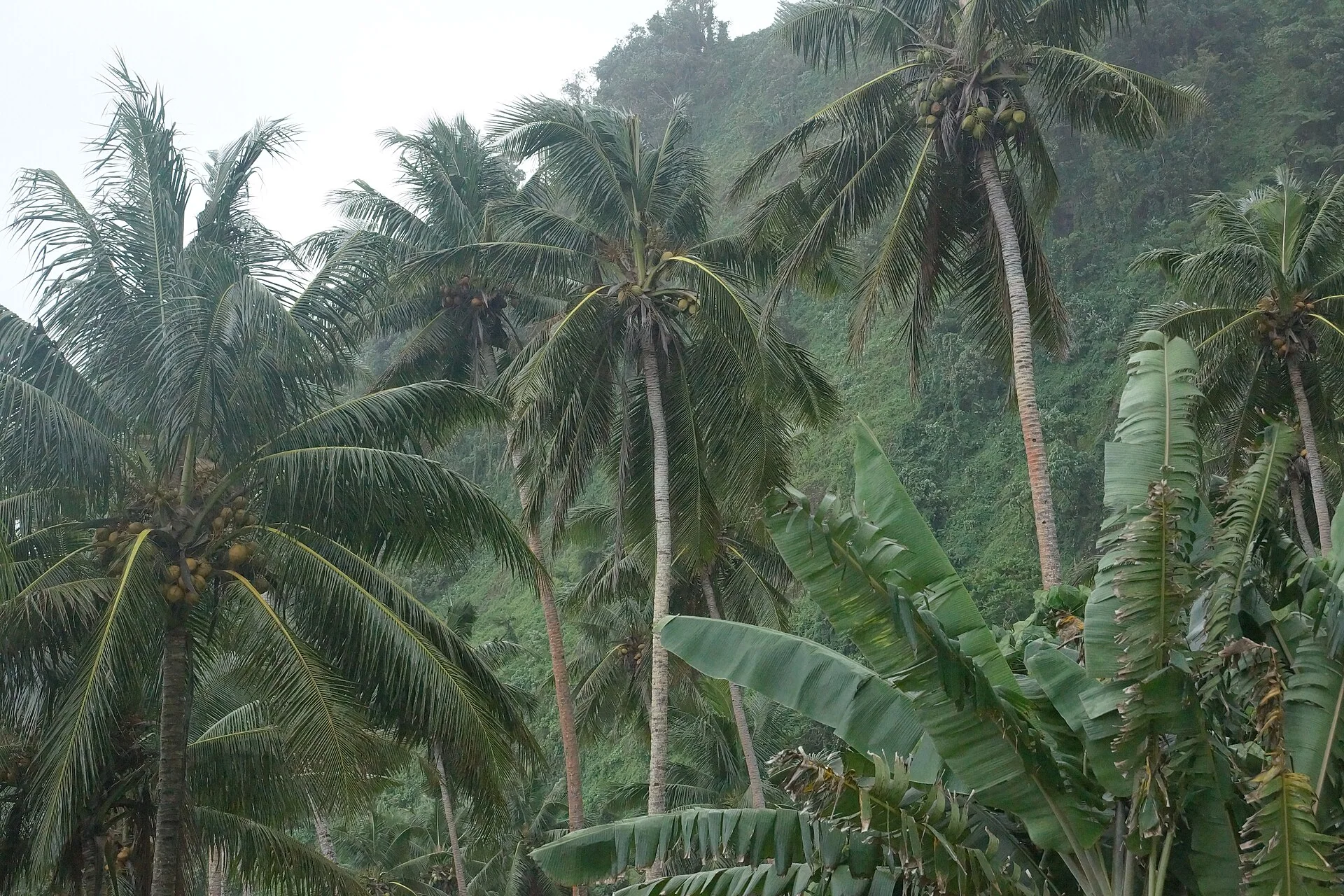
Both islands are almost entirely covered by lush vegetation, although almost none of it is the original rainforest that covered the island before humans arrived. Most of the land area is given over to farms or semi-cultivated forest, providing food and cash crops for the locals. Since Samoa has been inhabited for over three thousand years, the cultivated lands around villages can often seem like deepest, darkest jungle.
The climate is tropical with a rainy (and tropical cyclone) season from October to March and a dry season from May to October. The country has an average annual temperature of 26.5°C. This makes Samoa an ideal winter holiday destination for tourists living in the southern hemisphere.
In 1830 missionaries from the London Missionary Society, notably John Williams, arrived and Samoa rapidly embraced Christianity. The Church of Jesus Christ of Latter-day Saints (sometimes referred to as Mormons) has constructed several sizeable churches.
Culture and food
Eating is an extremely important part of Samoan life. They often take food with them when they travel. Samoan food is not highly spiced or seasoned. It uses ingredients that are relatively unfamiliar to most Westerners, such as breadfruit, taro (or talo), taro leaves, cooked green bananas and raw fish.
Unfortunately it is difficult to find these delicacies, maybe partly because western food is more “cool”, partly because the average tourists want to eat what they eat at home. The usual things you get are more or less good imitations of western-style or Chinese food. The market in Apia is a good place if you want to try some of the local stuff. It's also a good idea to stock up on fruit there before heading anywhere on the islands.
Most restaurants are casual and not too expensive. Places to eat are listed in the pages for Upolu , Apia and Savaii . Outside of Apia, most of the best places are associated with hotels or resorts.
No significant gathering in Samoa, whether official or for pleasure, is complete without the 'Ava (or kava) ceremony at the beginning. Kava's scientific name is Piper methysticum , which means intoxicating pepper . The roots of the plant are used to produce a mildly narcotic drink that is passed around meetings following strict rules. However, you do not need to participate in a Samoan cultural event to try it. On some days it can be purchased at Apia's central market (marketi fou).
Non-alcoholic beverages and bottled water are available in all roadside stores. Coke, Fanta and Sprite are available in 750 ml glass bottles for about WS$4. You will need a bottle opener for these if you want to take them with you to drink later; otherwise stores will have a bottle opener available. Bottled water is available in a range of sizes.
Sights and landscapes
Samoa lies south of the equator, about halfway between Hawaii and New Zealand, in the Polynesian region of the Pacific Ocean. The total land area is 2,842 km 2 (1,097 sq mi), consisting of the two large islands of Upolu and Savaiʻi (which together account for 99% of the total land area) and eight small islets.
The Samoan Islands result geologically from volcanism originating from the Samoa hotspot , which is probably driven by a mantle plume . While all of the islands have volcanic origins, only Savaiʻi, the westernmost island in Samoa, remains volcanically active, with the most recent eruptions at Mount Matavanu (1905–1911), Mata o le Afi (1902) and Mauga Afi (1725). The highest point in Samoa is Mount Silisili , at 1,858 m (6,096 ft). The Saleaula lava fields situated on the central north coast of Savaiʻi result from the Mount Matavanu eruptions, which left 50 km 2 (19 sq mi) of solidified lava.
Savaiʻi is the largest of the Samoan islands and the sixth-largest Polynesian island (after New Zealand's North , South and Stewart Islands and the Hawaiian islands of Hawaiʻi and Maui ). The population of Savaiʻi is roughly 42 thousand people.
Samoa has an equatorial climate. The average annual temperature is 26.5 °C (79.7 °F), and a main rainy season from November to April, although heavy rain may fall in any month.
Samoa forms part of the Samoan tropical moist forests ecoregion. Since human habitation began, about 80% of the lowland rainforests have disappeared. However, with recent reforestation, about 60.4% (171,000 ha) of Samoa is forested, of which 32,000 ha is planted forest.
Travel guide text compiled and adapted from Wikivoyage article (contributors) and Wikipedia article (contributors). Sections were selected and reordered for this guide. Text is shared under CC BY-SA 4.0. Check current arrangements with your travel consultant.
Plan the full journey
Useful for this trip
This country’s visa guidance has not been fully verified against current official requirements. Confirm the application route for your passport, residence and purpose before making travel commitments.
Review details
Samoa: Official pages were retrieved, but the complete imported guidance has not been corroborated claim by claim for Kenyan ordinary passports. Still to confirm: passport validity, tourist and business eligibility, application route, any exemptions and published processing guidance. Residents using other passports require a separate nationality check.