
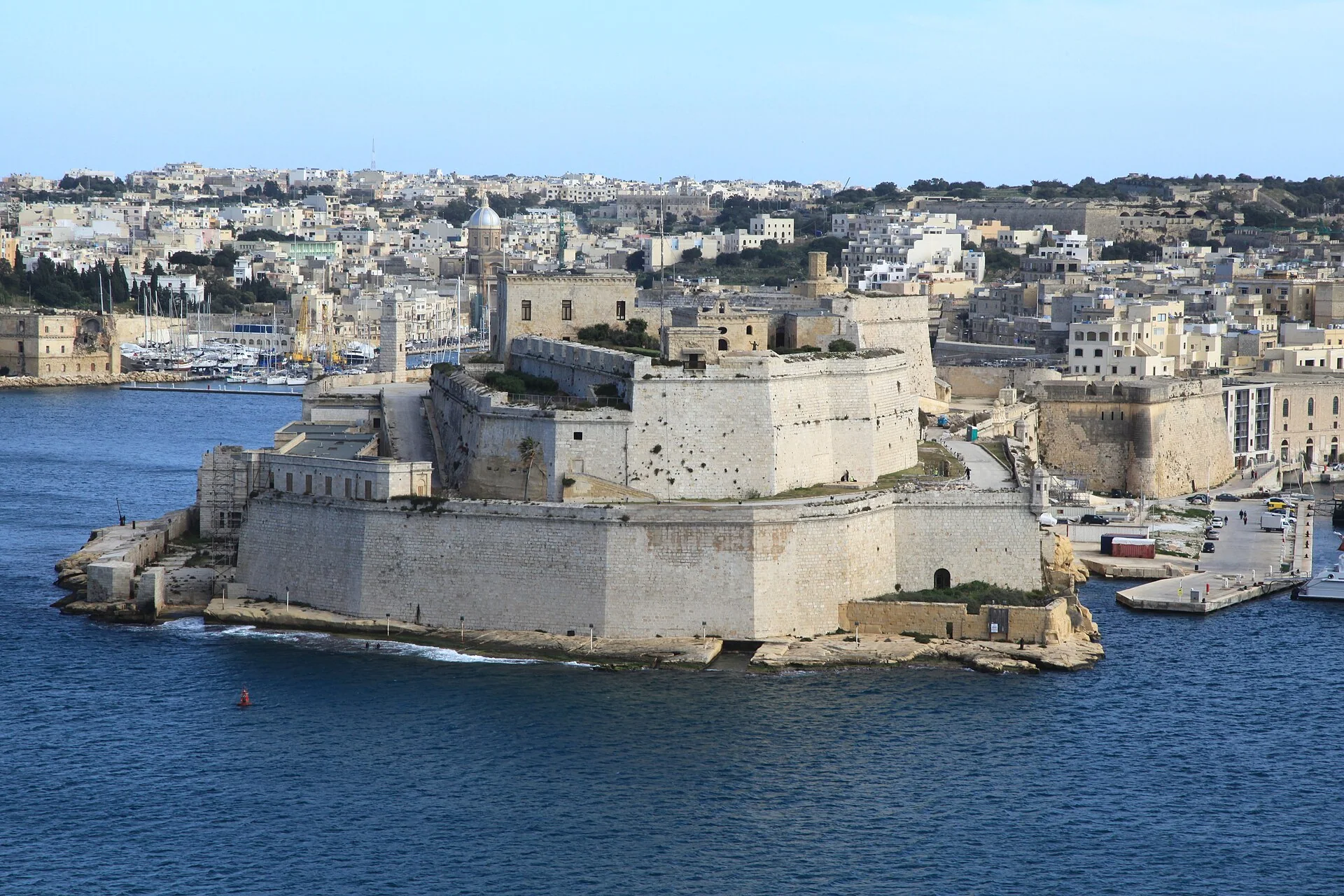
Malta
Thanks to its strategic position, Malta has been continuously inhabited since prehistoric times, and conquered by the Phoenicians , Carthaginians, Romans , Byzantines , Arabs, the Sicilians, and the French, and lastly by the…
At a glance
Useful facts for planning
In this guide
Why go
Overview
Thanks to its strategic position, Malta has been continuously inhabited since prehistoric times, and conquered by the Phoenicians , Carthaginians, Romans , Byzantines , Arabs, the Sicilians, and the French, and lastly by the British in 1814. The invaders and intensive trading across the region left material and cultural heritage on the islands, but the Maltese and their language remain unique in many ways. With universal knowledge and use of English among the population and a wealth of both man-made structures from all eras of human existence and sites of exceptional natural beauty — Malta has been a very popular holiday destination for decades.
There are also aquatic activities to enjoy. Northern Malta is home to the country's beach resorts and holiday areas. Gozo and Comino , the country's two smaller islands, are also popular beach spots, although these tend to be quieter, rockier and better for snorkelling . The Mediterranean Sea surrounding Malta is popular for diving , and experienced divers may be able to find historical artefacts from World War II or earlier.
Malta is the smallest member of the European Union by population, with only half a million people, but also by area, making it the fourth-most densely populated country in the world while being the tenth-smallest. Despite its diminutive size, Malta is an important freight trans-shipment point, financial centre and tourist destination.
Although small, Malta has a vast and rich history, with evidence for habitation going back to the Neolithic era (5th millennium BC). The country boasts the world's most ancient standing buildings (the Neolithic temples), and its strategic location and good harbours in the middle of the Mediterranean have attracted Phoenicians, Greeks, Romans, Arabs, Normans , Crusaders , the French and finally the British, with the colonial period lasting until 1964.
Sights and landscapes
An alternative is an ISeeMalta pass . It allows entrance to a similar (but not exactly the same) number of sites. The pass uses the ISeeMalta's Hop On Hop Off circular tourist bus routes as the method of transportation.
It is worth comparing the passes, what’s available, and the prices to see what is most suitable for your needs. The ISeeMalta buses are not well reviewed on TripAdvisor, but you may have a better experience.
Experiences
Swimming – The island is surrounded by a limited number of beaches. They get crowded in the high season, so keep this in mind when planning your visit. There are many larger and smaller rocky entries to the sea too around the islands.
Diving and Snorkeling Malta is a great place for diving and snorkeling all year round. The water temperature varies from a cool 14 °C (57 °F) in February/March to a warm 26 °C (79 °F) in August. The visibility of water is generally high, making it a good place to learn diving as well.
The dive sites are close to shore. Consequently, most dives start there, making everything easier and cheaper. The dive sites include rocky reefs, some wrecks and cave diving (especially interesting is the dive in the Inland Sea in Gozo). There will tend to be more marine life during the warmer months, when you can hope to see tuna, octopus, moray eels, seahorses, fire worms, soft coral along with the usual sea grass and underwater ridges.
Surfing Being an island in the middle of the Mediterranean, Malta offers up numerous amazing surf spots stretching all over the coastline. In the summer air temperatures average at 31˚C and sea temperature is a comfortable 25˚C, creating perfect conditions for spending hours in the clear blue ocean. Check out surf spots Ghallis, Palm Beach and St. Thomas, they are all close to the tourist centre of Malta on the north shore.
Culture and food
Distinctly Maltese cuisine is hard to find but does exist. The food eaten draws its influences from Italian cuisine. Most restaurants in resort areas like Sliema cater largely to British tourists, offering pub grub like meat and three veg or bangers and mash, and you have to go a little out of the way to find 'real' Maltese food. One of the island's specialities is rabbit ( fenek ), and small savoury pastries known as pastizzi are also ubiquitous.
The Maltese celebratory meal is fenkata , a feast of rabbit, marinated overnight in wine and bay leaves. The first course is usually spaghetti in rabbit sauce, followed by the rabbit meat stewed or fried (with or without gravy). Look out for specialist fenkata restaurants, such as Ta L'Ingliz in Mgarr .
Planning your route
The island of Malta is pretty densely populated and there is no rail transport of any kind, so expect crowded streets no matter how you try to get around. On the plus side, distances are relatively short and bus fares are low compared to Western Europe.
Malta has been known for its potpourri of vintage buses of all brands and bodies, with additional unique custom decorations added. Those have mostly been retired (yet many remain preserved purely as antiques), and the bus system is operated using modern, air-conditioned buses.
The bus network across the islands of Malta is operated by Malta Public Transport . In general, the busses are a quick way of getting around as the distances are generally short. Some lines have quite some detours tough. Around 18:00, buses may get stuck in traffic jams around the larger towns.
Travel guide text compiled and adapted from Wikivoyage article (contributors). Sections were selected and reordered for this guide. Text is shared under CC BY-SA 4.0. Check current arrangements with your travel consultant.
Plan the full journey
Useful for this trip
This country’s visa guidance has not been fully verified against current official requirements. Confirm the application route for your passport, residence and purpose before making travel commitments.
Review details
Malta: Official pages were retrieved, but the complete imported guidance has not been corroborated claim by claim for Kenyan ordinary passports. Still to confirm: passport validity, tourist and business eligibility, application route, any exemptions and published processing guidance. Residents using other passports require a separate nationality check.