
Malawi
Malawi (Chichewa: Malaŵi , Chitumbuka: Malaŵi ) is a small, landlocked country in Africa whose eastern border mostly follows Lake Malawi , the third largest lake on the continent. It's described as the "Warm…
At a glance
Useful facts for planning
In this guide
Why go
Overview
Malawi (Chichewa: Malaŵi , Chitumbuka: Malaŵi ) is a small, landlocked country in Africa whose eastern border mostly follows Lake Malawi , the third largest lake on the continent. It's described as the "Warm Heart of Africa", referring to the friendliness of the people.
At the end of the 15th century, the Maravi Empire existed on the southwestern shores of Lake Malawi as a kingdom by the Chewa people. The slave trade was introduced in the 19th century when the Swahili-Arabs moved into the area to obtain slaves and ivory. One of the first Europeans to visit Malawi was Dr. David Livingstone, a Scottish missionary and explorer who was credited with a leading role in ending slavery in Africa.
Much of Malawi is plateau, often reaching to 1,000 m (3,000 ft), and the temperature in these highlands is moderate, with the hottest period occurring during the autumn rainy season and the coolest and chilliest in winter. The hottest region in the country is the lower Shire River Valley well south of Blantyre. Temperatures along scenic Lake Malawi are generally warm, but with a cooling breeze, especially in the evenings. Winters (May till July) are dry. The rainy season begins in mid-October to early November and generally runs until March.
Sights and landscapes
Malawi has a massive diversity of beautiful landscapes. The highest peaks in Malawi touch 10,000 ft (3,000 m) while the lowest point is barely above sea level. This range of altitudes in a small area help to make the landscape of Malawi one of the most varied in all Africa. It is generally a green, lush country, with plateaux, highlands, forests, mountains, plains, escarpments and dramatic river valleys.
The Rift Valley is the dominant feature, providing the vast chasm that Lake Malawi fills, and extending to the south of the country following the Shire River that drains the Lake. The flatter areas of the Rift Valley in South Malawi are home to some important wetlands, including Elephant Marsh, down in the Lower Shire Valley.
To the west of the Lake and either side of the Shire Valley in the south is the Central African Plateau. The transition from Rift Valley floor up to the Central African Plateau is characterised by a series of dramatic escarpments, such as at Nkhotakota Wildlife Reserve, a protected area of rugged, unspoilt wilderness. The Central African Plateau itself is gently undulating land between 1,600ft (490m) and 5,000ft (1,500m), with the occasional lake (such as Lake Chilwa) and punctuated by more dramatic hills and forests.
It is the widespread highlands and forests that provide the most impressive of the Malawi's varied scenery. Up where the air is fresh and cool are clear mountain streams, heaths, rolling montane grassland and evergreen forests.
The southern part of Malawi has the best known highlands – Mulanje Massif and Zomba Plateau. The former is a massive wilderness plateau of syenite granite rising from the Phalombe Plains. It has a number of peaks, including the highest in both the country and the whole of central Africa: Sapitwa, at 3,000 m (10,000 ft). The tea estates that stretch west of Mulanje as far as Thyolo, are also wonderfully scenic. Zomba Plateau is not as high as Mulanje, but nonetheless impressive. It is slab-like with a gently undulating plateau top which is accessible by road.
Experiences
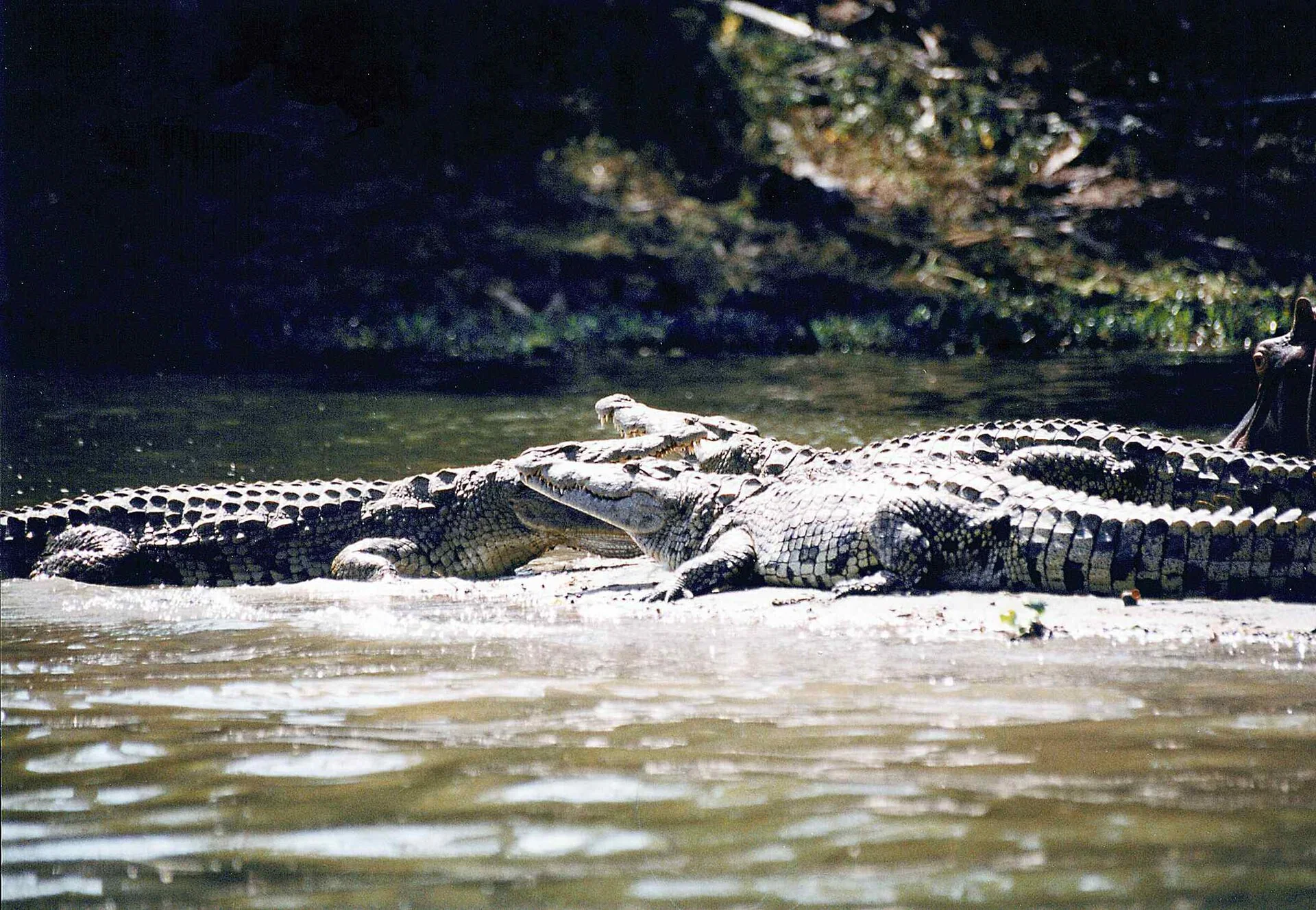
For a small country, Malawi has a quite remarkable array of activities to offer visitors. The magnificent Lake Malawi is a haven for boat activities and watersports, as well as having some of the best freshwater diving sites in the world, right in Nkhata Bay. Eight land-based national parks and wildlife reserves offer all type of safaris in a wide variety of natural wilderness environments. Liwonde National Park, along the Shire River, has hippos (including an albino one!), crocodiles, lions, elephants and even leopards (apparently). The mixed terrain and varied landscapes also provide for excellent outdoor activities, including trekking and mountain biking, particularly in the highland areas. Those seeking cultural experiences are also well served by sites of historical interest and simple village visits to meet the ever-smiling Malawians in their daily life. You can visit the Carlsberg factory in Blantyre, climb Mount Mulanje (a series of high hills, mountains – making a good trek), drive up or climb Zomba Plateau, go horseback riding in Kande or Nyika, or just relax on the beaches of Cape Maclear.
Culture and food
Traditional Malawian food revolves around one staple, maize , served in one form, nsima/sima (n'SEE-ma/SEE-ma). Nsima/Sima is basically a type of thick porridge, rolled into balls with your right hand and dipped into a variety of stews known as relishes . Those who can afford them eat relishes of beef, chicken or fish, but the many who can't make do with beans, tiny dried fish ( usipa ), pumpkin leaves ( chibwabwa ) and other vegetables. At breakfast, nsima/sima can be served watered down into a soup, maybe with a little sugar. Local restaurants will serve nsima/sima and relish for less than MK600.
Planning your route
Compared to its neighbours, the main roads in Malawi are in surprisingly good shape and travel times between major destinations should be reasonable. The volume of traffic is low and most people drive reasonably slowly. Road travel after dark is not advisable as road markings are poor to non-existent and not all cars have headlights. While there are few vehicles travelling at night a very significant number of their drivers will be heavily intoxicated, particularly outside of Lilongwe and Blantyre.
Travel guide text compiled and adapted from Wikivoyage article (contributors). Sections were selected and reordered for this guide. Text is shared under CC BY-SA 4.0. Check current arrangements with your travel consultant.
Plan the full journey
Useful for this trip
This country’s visa guidance has not been fully verified against current official requirements. Confirm the application route for your passport, residence and purpose before making travel commitments.
Review details
Malawi: Official pages were retrieved, but the complete imported guidance has not been corroborated claim by claim for Kenyan ordinary passports. Still to confirm: passport validity, tourist and business eligibility, application route, any exemptions and published processing guidance. Residents using other passports require a separate nationality check.