
Fiji
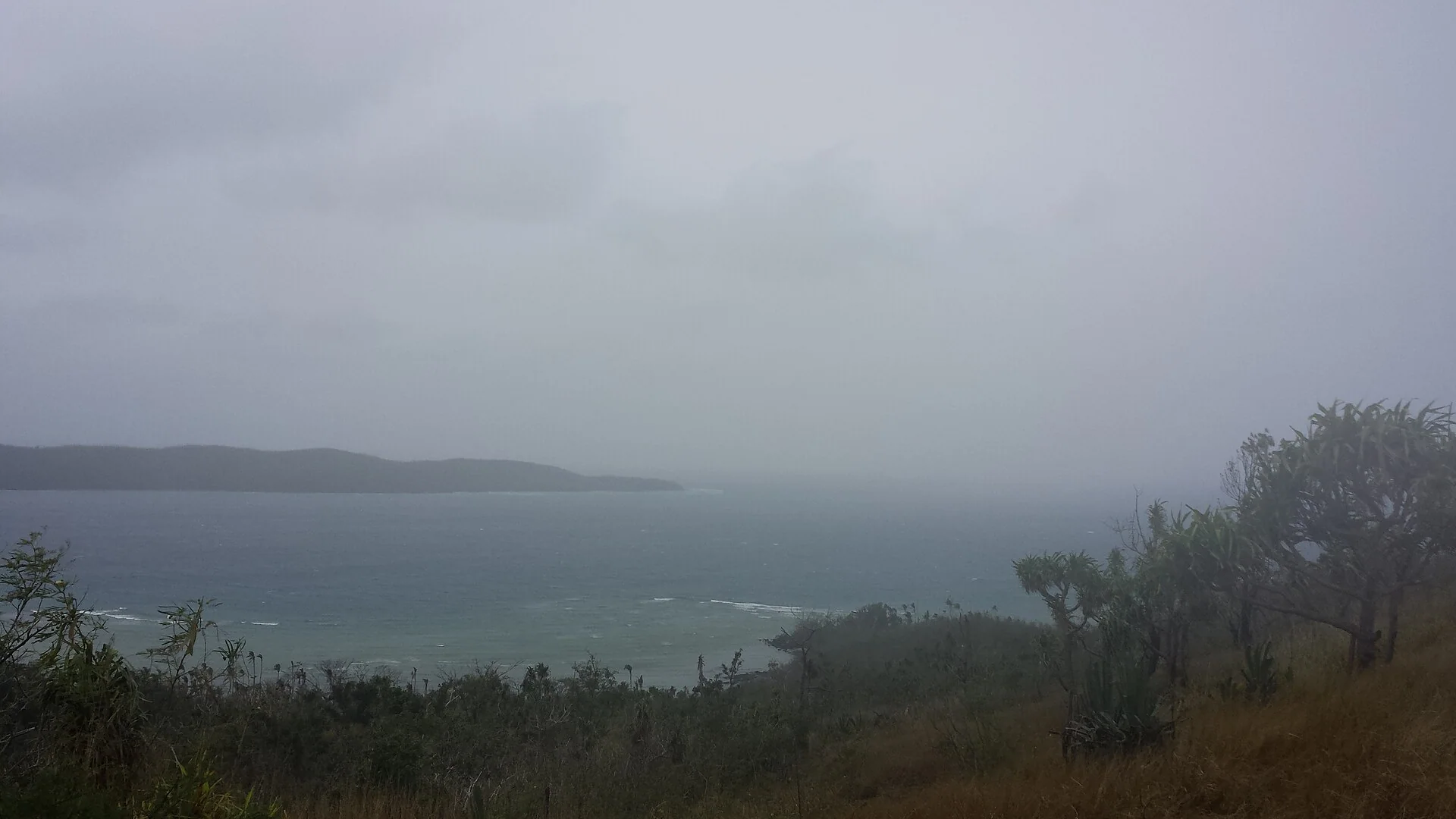
Fiji's main attraction is its paradise-like nature, with perfect palm-lined beaches, blue waters and green inland hills. Relax on the gorgeous sandy beaches of the Mamanuca Islands . Dive for the dark limestone Sawa-i-Lau…
At a glance
Useful facts for planning
In this guide
Why go
Overview
Fiji's main attraction is its paradise-like nature, with perfect palm-lined beaches, blue waters and green inland hills. Relax on the gorgeous sandy beaches of the Mamanuca Islands . Dive for the dark limestone Sawa-i-Lau cave in the Yasawa Islands . Discover the sand dunes of the Sigatoka Valley, once used as a burial ground, or head deep into Viti Levu to see Fiji's inland wildlife at the beautiful and jungle-covered Kulu Eco Park. From virtually any of the islands you can dive to experience Fiji's underwater beauty, or take a challenging hike along the ridges and through the dense rain forest of Bouma National Park, on Taveuni . Tall jungle trees, a colourful array of birds, waterfalls and volcanic peaks are just some of the attractions.
Sights and landscapes
In short, the natural treasures alone are worth the trip, but this island nation does have a number of cultural sights to offer. There's the beautiful Garden of the Sleeping Giant on Nadi , once owned by famous actor Raymond Burr who lived here. It holds over 20 hectares full of orchids native to Fiji, many cultivated and exotic plants plus a lovely lily pond. Make a trip to one of the many villages to take part in a kava-ceremony or to see one of the many other remaining cultural traditions. Navala village (on Viti Levu ) still maintains its traditional bures, making it an excellent pick. For a deeper insight in the country's history and culture, the Fiji Museum on Suva is an excellent addition to your trip.
Fiji lies approximately 5,100 km (3,200 mi) southwest of Hawaii and roughly 3,150 km (1,960 mi) from Sydney , Australia. Fiji is the hub of the Southwest Pacific, midway between Vanuatu and Tonga . The archipelago is located between 176° 53′ east and 178° 12′ west. The archipelago is roughly 498,000 square miles (1,290,000 km 2 ) and less than 2 percent is dry land. The 180° meridian runs through Taveuni , but the International Date Line is bent to give uniform time (UTC+12) to all of the Fiji group. With the exception of Rotuma , the Fiji group lies between 15° 42′ and 20° 02′ south. Rotuma is located 220 nautical miles (410 km; 250 mi) north of the group, 360 nautical miles (670 km; 410 mi) from Suva , 12° 30′ south of the equator.
Fiji covers a total area of some 194,000 square kilometres (75,000 sq mi) of which around 10% is land. Fiji consists of 332 islands (of which 106 are inhabited) and 522 smaller islets. The two most important islands are Viti Levu and Vanua Levu, which account for about three-quarters of the total land area of the country. The islands are mountainous, with peaks up to 1,324 metres (4,341 ft), and covered with thick tropical forests.
The highest point is Mount Tomanivi on Viti Levu. Viti Levu hosts the capital city of Suva and is home to nearly three-quarters of the population. Other important towns include Nadi (the location of the international airport), and Lautoka , Fiji's second largest city, with large sugar cane mills and a seaport.
Culture and food
Traditional food in Fiji relies heavily on tubers like taro, yams, sweet potatoes ( kumala ), manioc ( tavioka ) and breadfruit ( uto ), served with a relish made from meat, fish, seafood, and vegetables. Dishes to look out for:
Don't miss fresh tropical fruits, found at the farmer's market in any town when in season. Vutu is a local variety of nut mainly grown on the island of Beqa , but also available in Suva and other towns around January and February. A great deal of food is cooked in coconut milk. Chicken is often served chopped into pieces with the bones left.
While traditional Fijian cuisine is quite bland, Indian migrants brought along their food and have definitely spiced things up. South Asian cuisine is widely available and thali platters served with rice and roti flatbread are spicy, cheap and often delicious.
While indigenous Fijian culture and traditions are very vibrant and are integral components of everyday life for the majority of Fiji's population, Fijian society has evolved over the past century with the introduction of traditions such as Indian and Chinese as well as significant influences from Europe and Fiji's Pacific neighbours, particularly Tonga and Samoa . Thus, the various cultures of Fiji have come together to create a unique multicultural national identity.
Planning your route
Fiji has a variety of public transport options, including buses, share taxis, and private taxis. Rates are very cheap: $1-2 ( Fiji dollars ) from Colo-i-Suva to Suva bus station by bus, $17 from Nadi bus station to Suva by share-taxi (share-taxis are usually white mini-vans that congregate and set-off when they reach their capacity of 6-8), or approximately $80 from Suva airport to Sigatoka by private taxi. On the main road circling Viti Levu buses run every half hour and taxis are a substantial proportion of traffic, while on western Taveuni buses make only a few runs per day and very little traffic is present. If the taxi has a meter, ask the driver to switch it on – the ride will be lot cheaper than with the negotiated price.
The rate from resorts on Nadi beach to Nadi downtown is $8 per passenger, and $12 to the airport — you should be able to negotiate this price reasonably easily.
Travel guide text compiled and adapted from Wikivoyage article (contributors) and Wikipedia article (contributors). Sections were selected and reordered for this guide. Text is shared under CC BY-SA 4.0. Check current arrangements with your travel consultant.
Plan the full journey
Useful for this trip
This country’s visa guidance has not been fully verified against current official requirements. Confirm the application route for your passport, residence and purpose before making travel commitments.
Review details
Fiji: Official pages were retrieved, but the complete imported guidance has not been corroborated claim by claim for Kenyan ordinary passports. Still to confirm: passport validity, tourist and business eligibility, application route, any exemptions and published processing guidance. Residents using other passports require a separate nationality check.