
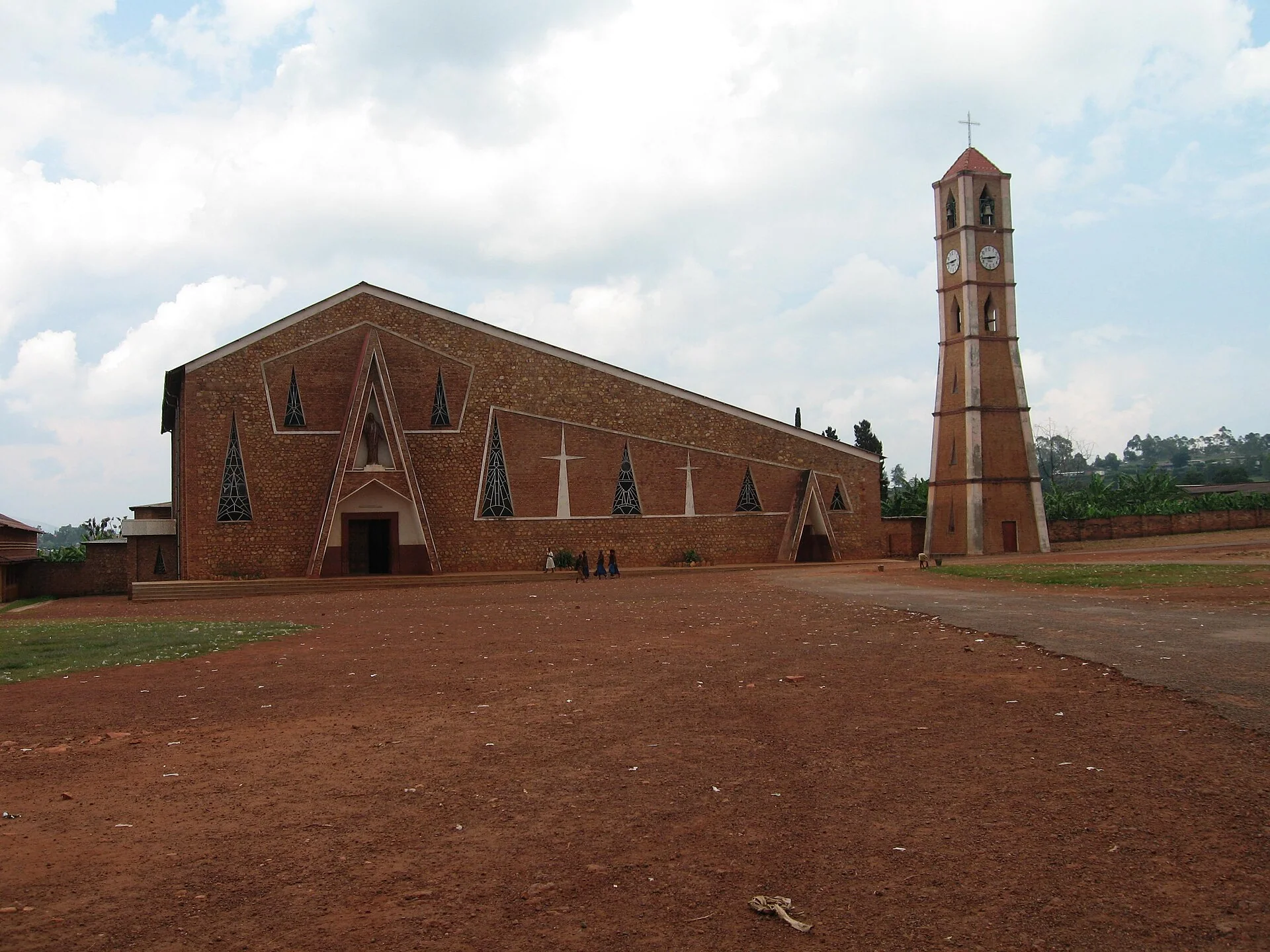
Burundi
Negative facts aside, Burundi guards all the elements that constitute its very rich culture: dances, musical rhythms, and handicrafts. The cultural inheritance from their forefathers and ancestors is evidenced by their traditional heirlooms and…
At a glance
Useful facts for planning
In this guide
Why go
Overview
Negative facts aside, Burundi guards all the elements that constitute its very rich culture: dances, musical rhythms, and handicrafts. The cultural inheritance from their forefathers and ancestors is evidenced by their traditional heirlooms and dances. For those with patience and an open mind, the rewards are unforgettable.
Burundi is about 27,834 km 2 (10,747 sq mi) large and has a population of almost 12 million people, making it one of the smallest countries in the world. Although the country is landlocked, much of the south-western border is adjacent to Lake Tanganyika , one of the deepest lakes in the world.
The region was colonised in the 19th century as part of German East Africa , then taken by Belgium after the First World War. It became independent in 1962.
The earliest known people to live in Burundi were the Twa, a short "pygmy" people who remain as a minority group there. The Hutu and Tutsi people moved into the region several hundred years ago, and dominated it. Like much of Africa, Burundi then went through a period of European colonial rule. At the beginning of the twentieth century, Germany and Belgium occupied the region, and Burundi and Rwanda together became a European colony known as Ruanda-Urundi.
Sights and landscapes
Bujumbura is in the western part of the country. Moving towards the east, is Gitega ; it’s a large market held in the middle of the town, and its Museum of Traditions (ancient utensils, pictures, commented visit). Travellers will have to make advance bookings to be able to watch an extraordinary and fascinating show unique in the world: “The Drummers of Giheta” playing in their traditional environment. Then you will be making head away towards Rutana to see the admirable panorama of the Karea Falls and the Nyakazu Break, called the “Break of the Germans”, which is an exceptional lookout that oversees the Kumoso plain. You will be ending your tour by the visit of Gihofi, a booming town with its new sugar refinery in the heart of the sugar cane plantations country.
Towards the South-eastern part of the country, don’t miss by any means the visit of the Nile Sources near Rutovu. Don’t forget to take your swimming gear with you; otherwise, you may miss the benefit of the hot springs in charming and subtle surroundings. You will also be able to see on your way the last traditional enclosed villas (round habitations surrounded by wooden fences strip in turn surrounded by grazing meadows and ploughed fields).
Further south, you will be able to cross a line of villages succeeding one after the other and wedged between the lake and abrupt mountains. Fortunately, you will be able to stop and have a rest, or go for nautical sports and have a meal in restaurants or simply stop for a drink, on nicely arranged fine sand beaches. Still further south lays the Nyanza Lake. Why not to take a boat and go to Tanzania on the other side of the lake and visit Gombe Natural Park?
Towards the north just before reaching Bugarama, there is an important market for high quality fresh foodstuffs. You can walk across the primeval forest of Kibira the access of which is still very difficult but which is in a process of beaconing. Carry on towards Kayanza and Ngozi, two big agricultural production and trade villages. At Kirundo, near the border with Rwanda, you will discover the small lakes of the North, the peacefulness and serenity of their jagged borders. Take a boat and drift on the Rwihinda Lake to admire numerous birds’ species entirely free on the lake (crested cranes, wild ducks, fishing eagles, etc.).
On the road from Muyinga to Cankuzo, the visit of the Natural park of the Ruvuvu Rivers is a must now that is endowed with accommodation infrastructure; there you’ll be able to admire Burundi protected remnant buffaloes and dorcas (gazelles). The surrounding primeval forest will no doubt leave you with an unforgettable souvenir.
Culture and food
For the international visitor, Burundi offers some culinary surprises: fresh fish from Lake Tanganyika and produce from the nation's rich volcanic soil are particularly notable. There is a sizeable South Asian community, offering curried dishes alongside the more traditional rice and beans, and French-inspired European offerings. For lighter meals, samosas and skewered meats are common, and bananas and fresh fruit are often served as a sweet snack.
Soft drinks and beer are readily available. As in Rwanda and DRC, big 72 cl Primus bottles are available for between USD1-2 as well as Amstel, which is about USD2. Both are locally produced and of good quality.
Planning your route
Road and water transport are the main ways for getting around. There are no railways in the country, and the airport in Bujumbura is the only one with scheduled flights (all international).
Traffic culture is moderate, but motorists should be careful. Beware of pedestrians walking in the middle of the road, don't be afraid to use the horn. Moreover local drivers, particularly taxi and van drivers ignore traffic rules all too often.
In Bujumbura, traffic can be very confusing at times and the rural roads are narrow and winding due to the hilly terrain. Roads are of decent quality. Major roads are paved.
Travel guide text compiled and adapted from Wikivoyage article (contributors). Sections were selected and reordered for this guide. Text is shared under CC BY-SA 4.0. Check current arrangements with your travel consultant.
Plan the full journey
Useful for this trip
This country’s visa guidance has not been fully verified against current official requirements. Confirm the application route for your passport, residence and purpose before making travel commitments.
Review details
Burundi: Official pages were retrieved, but the complete imported guidance has not been corroborated claim by claim for Kenyan ordinary passports. Still to confirm: passport validity, tourist and business eligibility, application route, any exemptions and published processing guidance. Residents using other passports require a separate nationality check.