
Bulgaria
Bulgaria ( Bulgarian : България), officially known as the Republic of Bulgaria (Република България), is a country in the Balkan region of Europe , west of the Black Sea and south of the Danube…
At a glance
Useful facts for planning
In this guide
Why go
Overview
Bulgaria ( Bulgarian : България), officially known as the Republic of Bulgaria (Република България), is a country in the Balkan region of Europe , west of the Black Sea and south of the Danube river.
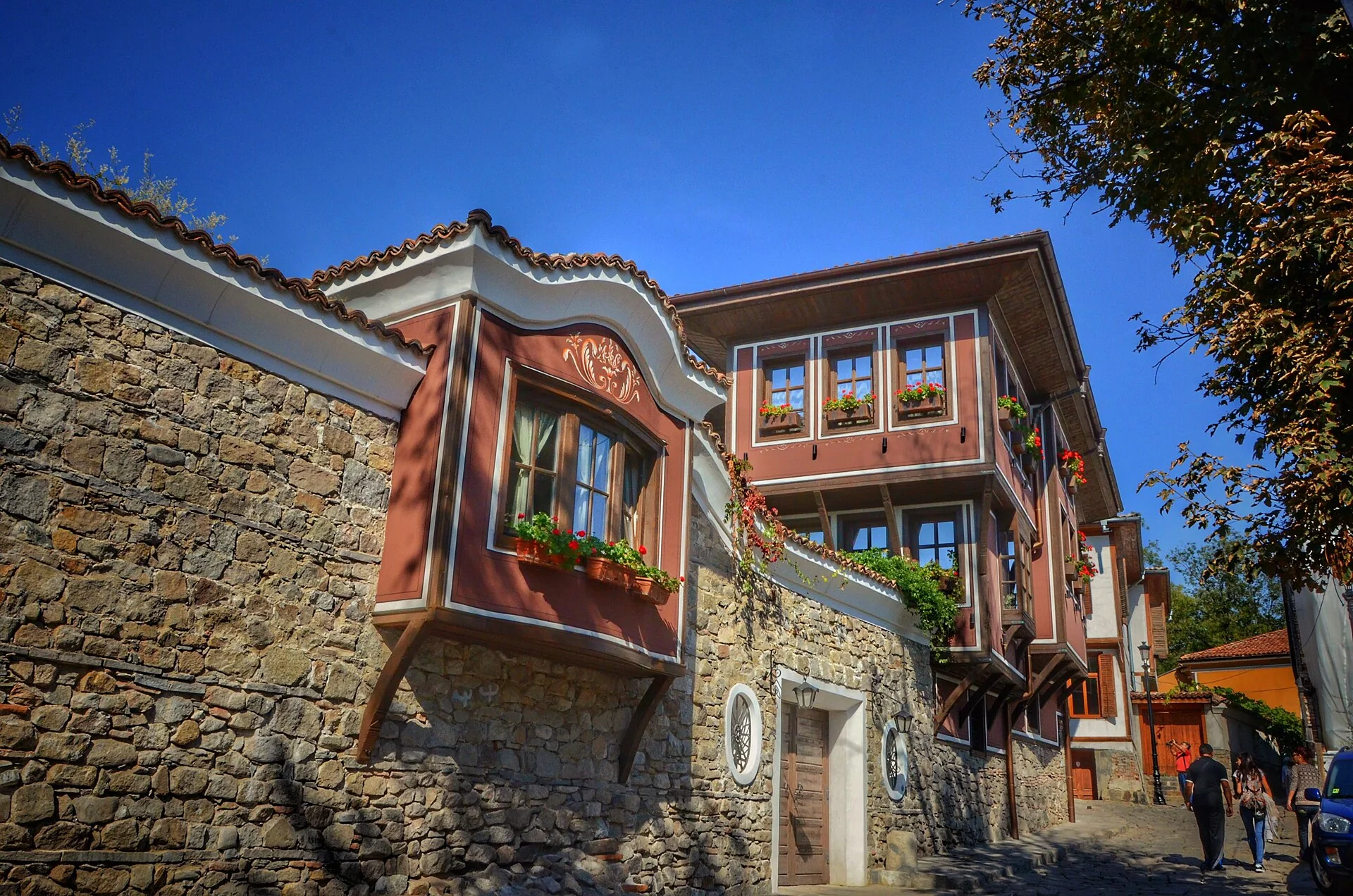
Bulgaria boasts sublime beaches on its seaside, lovely churches and winter sports opportunities in its mountains, as well as a unique combination of architectural styles in each of its cities and towns. It is one of Europe's oldest nations and it offers a wide diversity of landscapes, as well as numerous historical sites, each possessing its own unique beauty.
Being close to the Turkish Straits, the key land routes from Europe to the Middle East and Asia pass through Bulgaria. Thanks to this location, many peoples that have left their impact on the land. Remains of various civilisations and epochs are scattered all across the country and can still be seen today, from the tombs of the mighty Thracian kings, through the theatres of the ancient Greeks and the stadiums of the Roman Empire, to the medieval castles of the kings of the First and Second Bulgarian Empire, and the mosques from the Ottoman rule.
The largest ethnic group in the country are ethnic Bulgarians, at around 85% of the population, followed by Bulgarian Turks (about 10%) and Roma (about 5%, locally often referred to with the exonym tsigani ). Smaller ethnic minorities (around 10,000 or less) include Russians (mostly 20th and 21st century immigrants) and Armenians (mostly dating back to the Ottoman Empire), as well as even smaller contingents of other Balkan ethnicities. Most Bulgarian Jews survived the Holocaust but left Bulgaria after the Second World War.
Sights and landscapes
There is a wide variety of historical, natural, religious and artistic sights to see in Bulgaria. All across the country there are remains of different epochs and eras, societies and peoples, that create a beautiful mix of ethnic cultures and unique traditions and rituals.
The Bulgarian Tourist Union has compiled a list of "100 National Tourist Sites of Bulgaria" to promote internal tourism. Nowadays, the actual number of sites in the list is over 250 due to the number of alternative locations, but it still can be used a rough guide for what is worth seeing.
Experiences
Hiking is popular, and there's a large choice of regions for a day or multiday walking trips. The best time for hiking in the highest parts of the mountains is in summer, between late June and September as the snow is already melted and the weather is generally dry. In winter, snowshoeing and ski trips are possible between December and March, depending on the current snow and weather conditions. Due to the diverse terrain of the country hiking trails can be found near many cities, but the main hiking areas are:
There is an extensive network of marked hiking trails available and this allows a large number of different routes. The main accommodation in Balkan, Rila and Pirin mountains are the mountain huts and lodges, which usually offer rustic conditions, but there are also numerous three- and four-star hotels near popular tourist destinations. In the Rhodopes it is possible to stay in local guest houses.
Culture and food
Bulgarian cuisine is representative of the Balkans and Southeastern Europe. The relatively warm climate and diverse geography produce excellent growth conditions for a variety of vegetables, beans, herbs and fruits. It has some Turkish and Greek influences (such as moussaka, gyuvetch, and baklava) as well.
Bulgarian cuisine is famous for its rich salads at every meal, for the diversity and quality of dairy products and the variety of wines and local alcoholic drinks. It features a diversity of hot and cold soups, and numerous main dishes featuring locally grown vegetables.
Most dishes are oven baked, steamed, or in the form of stew. Grilling – especially different kinds of meats – is common. Pork meat is the most common meat in the Bulgarian cuisine. Fish and chicken are widely eaten, while beef is less common.
A traditional meal starts with a salad of choice and some strong alcoholic beverage. Bulgarians like to drink wine or beer with the main dish continuing with the chosen drink by the end of the meal. This is why in most restaurants a salad is considered to be the best combination for strong alcoholic drinks. The meat appetizers that are typically served after the main dish are not to be missed out on.
Planning your route
The fastest way to travel around the country is by bus. Buses frequently connect all the larger cities. Timetables information in English can be found online ( avtogari.info or bgrazpisanie.com ). Always confirm times locally as online resources may be incomplete or out of date. Most bus station agents (except at the Black Sea and in Sofia) as well as the drivers will not speak or understand any languages except Bulgarian (and, if you are lucky, Russian) and the destinations will be written exclusively in Cyrillic. You can look up bus schedules for the Sofia New Central at the bus station.
Travel guide text compiled and adapted from Wikivoyage article (contributors). Sections were selected and reordered for this guide. Text is shared under CC BY-SA 4.0. Check current arrangements with your travel consultant.
Plan the full journey
Useful for this trip
This country’s visa guidance has not been fully verified against current official requirements. Confirm the application route for your passport, residence and purpose before making travel commitments.
Review details
Bulgaria: Official pages were retrieved, but the complete imported guidance has not been corroborated claim by claim for Kenyan ordinary passports. Still to confirm: passport validity, tourist and business eligibility, application route, any exemptions and published processing guidance. Residents using other passports require a separate nationality check.