
Bolivia
Sometimes referred to as the Tibet of South America, Bolivia is one of the most "remote" countries in the Western Hemisphere; except for the navigable Paraguay River stretching to the distant Atlantic, Bolivia and…
At a glance
Useful facts for planning
In this guide
Why go
Overview
Sometimes referred to as the Tibet of South America, Bolivia is one of the most "remote" countries in the Western Hemisphere; except for the navigable Paraguay River stretching to the distant Atlantic, Bolivia and Paraguay are the only two landlocked nations in the Americas. It is also the most indigenous country in the Americas, with 60% of its population being of predominantly Native American ancestry.
Sights and landscapes
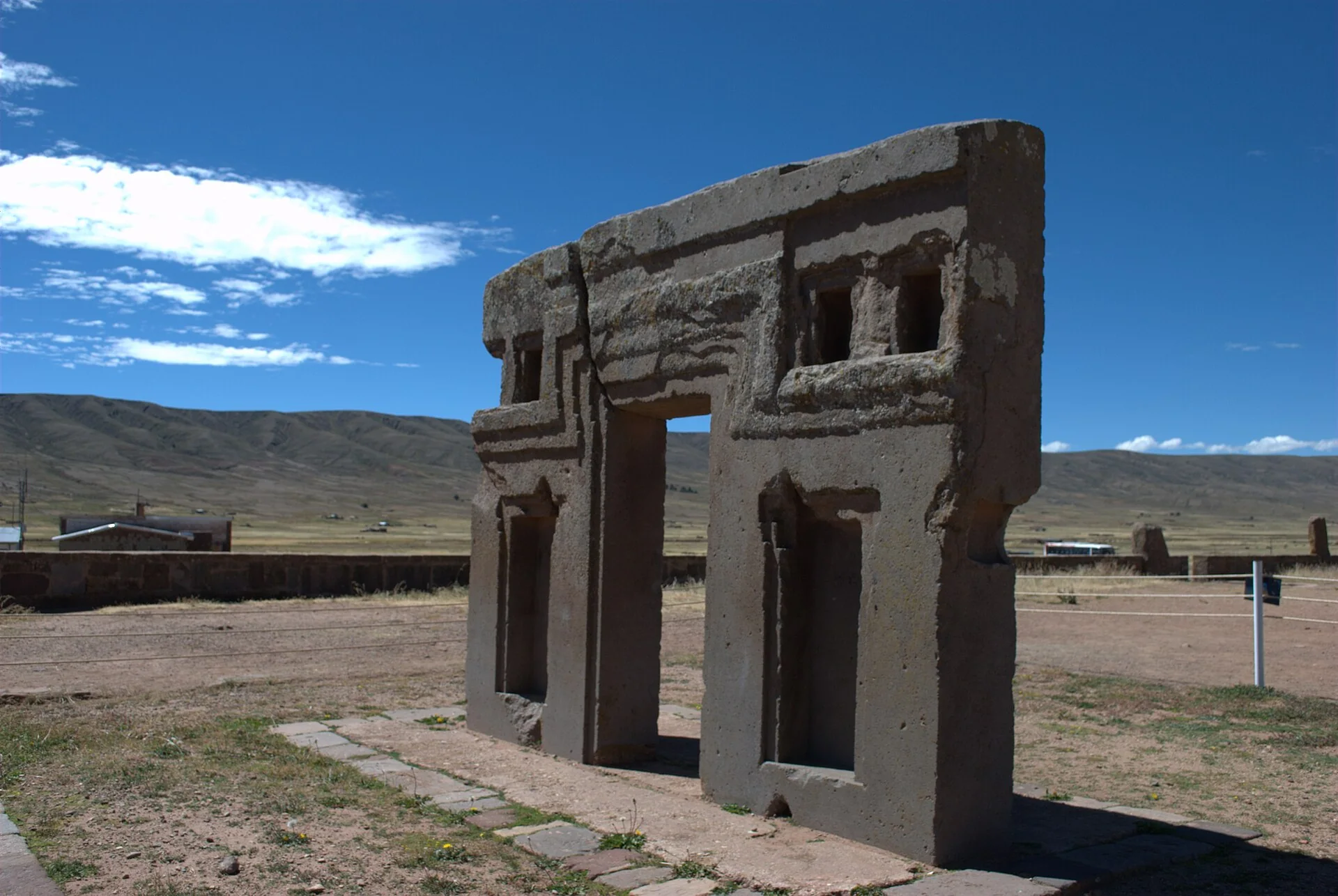
Bolivia has seven UNESCO World Heritage Sites . In the eastern department of Santa Cruz there are the Noel Kempff Mercado National Park , the Inca site El Fuerte in Samaipata and the Jesuit Missions of the Chiquitos . Near the capital there is Tiwanaku , an archeological site with the remains of a pre-Incan city. Finally there are Sucre and Potosí , two cities founded by the Spanish in the 16th century.
Furthermore Bolivia has the world's largest salt flat Salar de Uyuni , a portion of Lake Titicaca with Isla del Sol and being located in the middle of the Andes — mountain peaks higher than 6,000m.
Experiences
Many travellers head to Bolivia ticking off the main and popular todos and sights (like the Salar de Uyuni , chilling in Sucre , the mining tours in Potosí , the Death Road by bicycle, rain forest trekking near Rurrenabaque , and Lake Titicaca ) and often leave after only two weeks. However, Bolivia offers much more, often remote and beautiful authentic places with friendly people, and you can easily spend one month or more here between the high altitude mountains and the lowland rainforests. Especially the fact that Bolivia is a great trekking and hiking destination is often neglected when pointing out the attractions of this country, but indeed there are numerous 1-12 day trails all over the country, many do not require a guide, while others are challenging mountain climbs. In the following, the most important destination off the beaten track that you should not miss, or even simply swap for the over-commercialised places mentioned before—except for maybe the Salar de Uyuni tour:
Culture and food
The cuisine of Bolivia might be called the original "meat and potatoes" — the latter (locally called papas from the Quechua) were first cultivated by the Inca before spreading throughout the world. The most common meat is beef, though chicken and llama are also easily found. Pork is relatively common. Deep frying ( chicharron ) is a common method of cooking all sorts of meat, and fried chicken is a very popular quick dish; at times the smell permeates the streets of Bolivian cities. Guinea pigs ( cuy ) and rabbits ( conejo ) are eaten in rural areas, though you can sometimes find them in urban restaurants as well. A common condiment served with Bolivian meals is ll'ajwa , a spicy sauce similar to Mexican salsa .
Almuerzo is very popular during the mid-day meal and usually consists of an appetizer (entrada), soup, main dish (segundo), and dessert. Walk around many streets around Bolivian cities and you'll see the day's menu for that restaurant. Most have at least 2 main dish options to choose from. Almuerzos run anywhere between Bs. 15-25 depending on the restaurant or 'pension'.
Vegetarians will find decent to very good options in Gringo-places around the country. But also at market places, there are good vegetarian options on offer (usually potatoes, rice, fried egg and salad for about 7Bs.) In bigger cities, there are some (decent to good) fully vegetarian restaurants.
Coca has been part of Andean culture for centuries, and chewing is still very common (and perfectly legal) in Bolivia. You should be able to buy a big bag of dried leaves at the local market. Coca is a stimulant, and it also suppresses hunger. Chewing a wad of leaves for a few minutes should bring slight numbness to your lips and throat. Remember the slogan (printed on souvenir T-shirts): Coca no es Cocaina ("The coca leaf is not cocaine"). But cocaine most definitely is an illegal drug. Remember this, only chew the leaf; if you eat the coca leaf it will make you sick.
Juice bars appear at most markets. Shakes (either with water or milk) are 2 Bs. 2-3. Locals can be seen to drink Vitaminico, an egg, beer and sugar concoction, or "Vitima", which includes coca leaves.
Bolivia's traditional alcoholic drink is chicha , a whitish, sour brew made from fermented corn and drunk from a hemispherical bowl fashioned from a hollowed gourd (round-bottomed so you can't put it down). It's customary to spill a bit of chicha on the ground before and after drinking it as an offering to Pachamama , the Inca earth goddess.
Tarija is located at 1924 meters above sea level, and is known for its wine-making, vast vineyards, and award-winning wines. Hence you can visit and taste wine at its beautiful wineries, such as: Campos De Solana , Kohlberg , Casa Vieja , Valle De Concepción , and Casa Real , where the famous Singani is made.
Planning your route
Bus transportation in Bolivia is a nice cheap way to get to see the beautiful scenery while traveling to your destination. Unfortunately the buses often travel solely at night. Keep in mind that roads are occasionally blocked due to protests, often for several days. So ask several companies at the terminal if you hear about blockades, unless you are willing to spend a few days sleeping on the bus.
Travel guide text compiled and adapted from Wikivoyage article (contributors). Sections were selected and reordered for this guide. Text is shared under CC BY-SA 4.0. Check current arrangements with your travel consultant.
Plan the full journey
Useful for this trip
This country’s visa guidance has not been fully verified against current official requirements. Confirm the application route for your passport, residence and purpose before making travel commitments.
Review details
Bolivia: The supplied sources could not provide sufficient readable official guidance during this assessment. Still to confirm: passport validity, tourist and business eligibility, application route, any exemptions and published processing guidance. Residents using other passports require a separate nationality check.