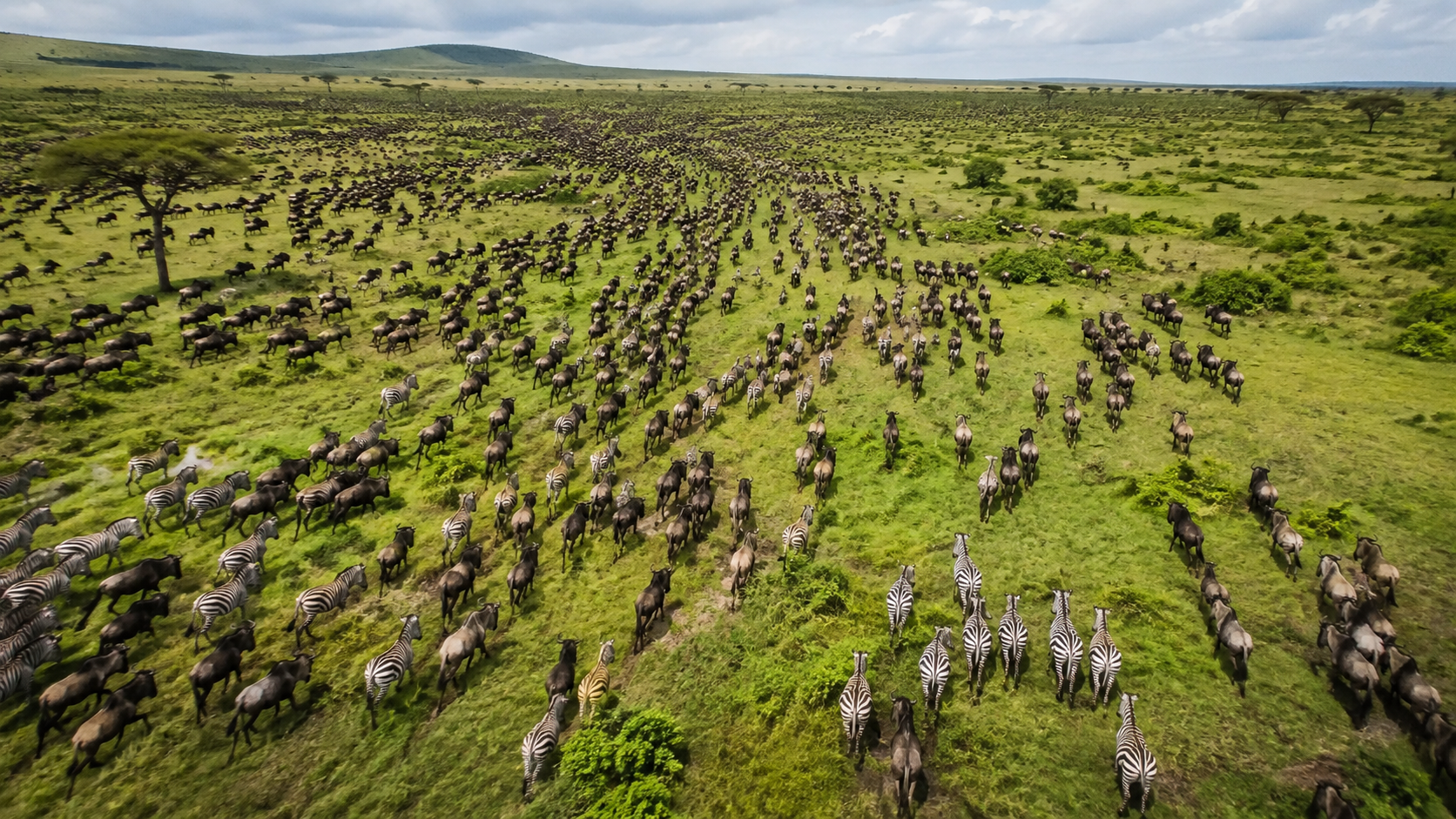
The Great Migration is one of the world’s most spectacular wildlife events, attracting photographers, nature lovers, families, honeymooners, and adventure seekers from every corner of the globe. If you’ve been searching for “Where are the wildebeest right now?” or planning a Kenya safari in August 2026, you’re visiting at one of the most exciting times of the year.
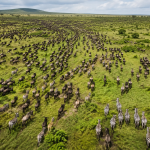
Every year, more than 1.5 million wildebeest, accompanied by over 250,000 zebras and hundreds of thousands of gazelles, embark on a remarkable journey across the Serengeti-Mara ecosystem in search of fresh grazing. Along the way, they navigate crocodile-infested rivers, evade powerful predators, and cover hundreds of kilometres, creating one of nature’s greatest survival stories.
Moreover, August is widely regarded as the peak of the migration season in Kenya. During this period, enormous herds spread across the Maasai Mara, while thousands gather along the banks of the Mara River before attempting dramatic crossings. Consequently, visitors have an excellent chance of witnessing thrilling wildlife encounters, breathtaking landscapes, and unforgettable safari moments.
Whether you’re planning your very first safari or returning to experience the magic of Africa once again, this guide explains where the migration is today, what you can expect during your visit, and how to maximise your chances of seeing the famous river crossings.
If you’re ready to start planning, explore our Kenya safari packages, where you’ll find expertly designed itineraries that showcase the very best of Kenya’s wildlife, landscapes, and authentic safari experiences.
What Is the Great Migration?
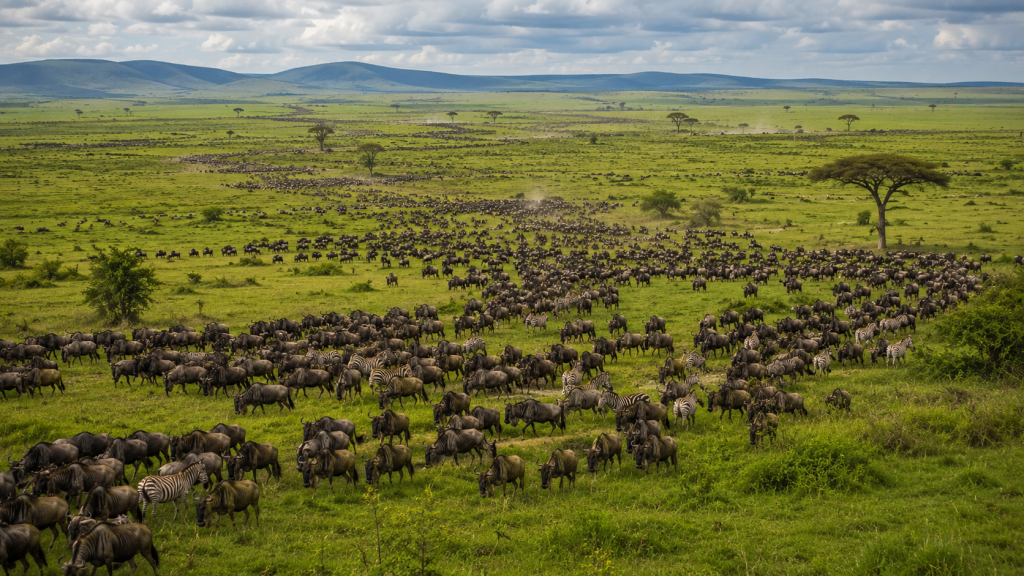
The Great Migration is the largest overland wildlife migration on Earth. Unlike many people assume, it is not a single event that happens on one specific day. Instead, it is a continuous, year-round cycle driven by rainfall and the search for fresh grazing.
Each year, approximately:
- 1.5 million wildebeest
- 250,000 zebras
- Hundreds of thousands of Thomson’s gazelles
- Thousands of elands and other antelope
travel between Tanzania’s Serengeti National Park and Kenya’s Maasai Mara National Reserve.
As the herds move, predators follow. Consequently, the migration creates one of Africa’s richest wildlife spectacles, where lions, leopards, cheetahs, hyenas, crocodiles, and vultures all play an important role in maintaining the ecosystem.
According to the UNESCO World Heritage Centre, the Serengeti ecosystem is internationally recognised for its exceptional biodiversity and ecological importance. Similarly, Magical Kenya, Kenya’s official tourism platform, lists the Great Migration among the country’s most extraordinary wildlife experiences.
Because rainfall determines where fresh grass grows, the migration follows nature rather than a fixed calendar. Therefore, wildlife movements vary slightly each year, making every safari unique.
If you’re unsure which time of year suits your travel plans, our Kenya travel blog offers seasonal travel advice, destination guides, and expert safari tips to help you choose the perfect itinerary.
Great Migration Update – August 2026
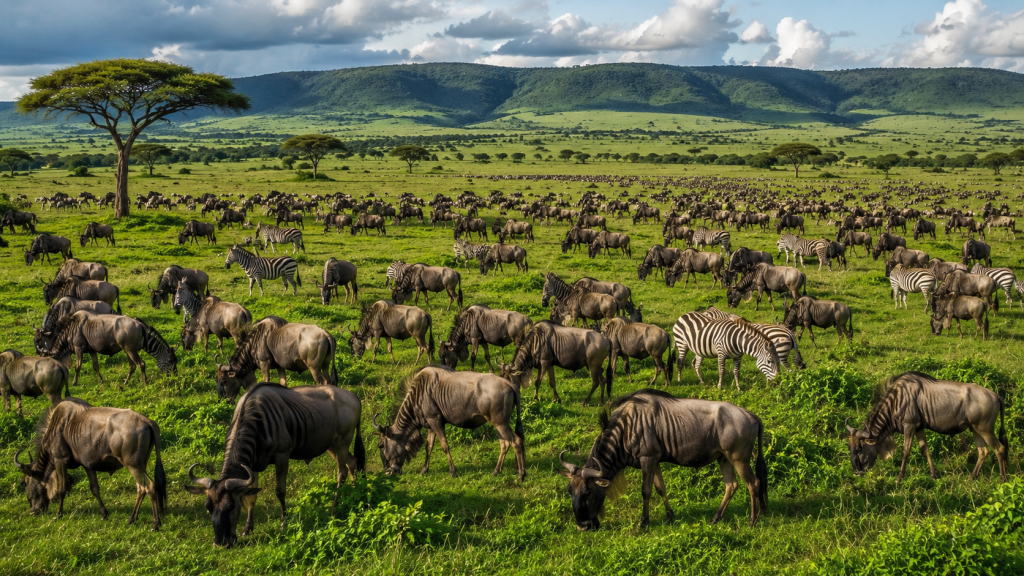
As of August 2026, the migration is in one of its most exciting stages.
Large herds have crossed into Kenya’s Maasai Mara, while others continue moving north from Tanzania’s Serengeti as they follow recent rainfall and fresh grazing. Although wildlife movements change daily, August consistently offers some of the highest concentrations of animals within the Maasai Mara ecosystem.
Consequently, visitors arriving during this period have excellent opportunities to witness:
- Thousands of wildebeest stretching across the plains
- Zebras travelling alongside migration herds
- Lions following traditional migration routes
- Cheetahs hunting in open grasslands
- Hyenas scavenging after predator kills
- Elephant families roaming the savannah
- Hippos resting in rivers
- Giraffes feeding on acacia trees
Furthermore, experienced safari guides constantly monitor wildlife movements through field observations and communication with other guides. As a result, they can adjust game drive routes throughout the day to improve your chances of encountering the migration.
If you’re planning a safari during this busy season, it’s advisable to book early. Many of the most sought-after lodges and camps fill up months in advance because August is one of Kenya’s most popular travel periods.
Our travel specialists can help you choose the best safari based on your budget, travel dates, and preferred level of comfort.
Where Are the Wildebeest Right Now?
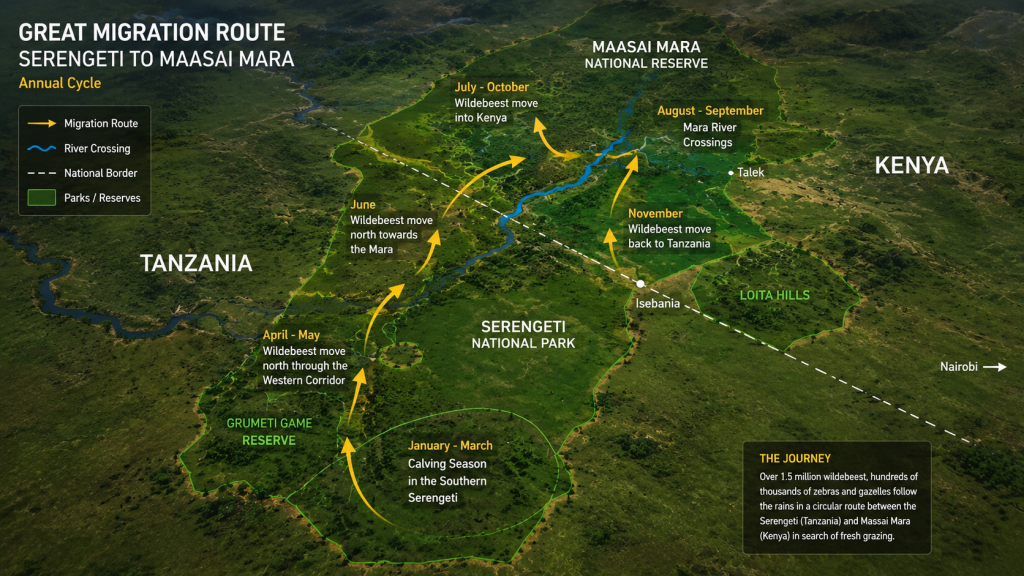
Although wildlife movements vary daily, most migration activity in August 2026 is centred around the Maasai Mara ecosystem.
Rather than remaining in one location, the herds spread across different regions depending on grass quality, rainfall, and predator activity. Therefore, spending several days in the reserve gives you a much better chance of witnessing different behaviours and landscapes.
Central Maasai Mara
Central Maasai Mara continues to be one of the reserve’s busiest wildlife areas.
Here, visitors frequently encounter:
- Large grazing herds
- Plains zebras
- Lions resting beneath acacia trees
- Topis
- Hyenas
- Elephant families
In addition, the area’s central location makes it an excellent base for exploring multiple sections of the reserve during morning and afternoon game drives.
Mara Triangle
The Mara Triangle is renowned for its stunning scenery and exceptional wildlife density.
Compared with some other parts of the reserve, this region often offers quieter game-viewing experiences while still delivering incredible migration sightings.
Visitors regularly enjoy:
- Massive wildebeest herds
- Buffalo gatherings
- Lion prides
- Black-backed jackals
- Outstanding sunrise photography
Consequently, the Mara Triangle remains one of the best destinations for wildlife photographers seeking dramatic landscapes with fewer vehicle distractions.
Talek Region
The Talek area combines open grasslands with riverine habitats, making it particularly attractive to both herbivores and predators.
During August, you may see:
- Wildebeest gathering before river crossings
- Resident lion prides
- Cheetahs hunting gazelles
- Hippos in the Talek River
- Hundreds of bird species
Moreover, Talek provides excellent opportunities for visitors hoping to photograph both wildlife and beautiful Maasai Mara landscapes.
Sand River
Located close to the Kenya-Tanzania border, the Sand River region often welcomes migrating animals arriving from the northern Serengeti.
Because of its open plains and relatively uncrowded scenery, this area offers outstanding opportunities to witness the migration while enjoying spectacular panoramic views.
If you’re looking for a tailor-made itinerary that includes these remarkable locations, our custom Kenya safaris can be designed around your preferred travel style, whether you’re travelling as a couple, family, photographer, or private group.
The Mara River Crossings: Nature’s Most Dramatic Wildlife Event
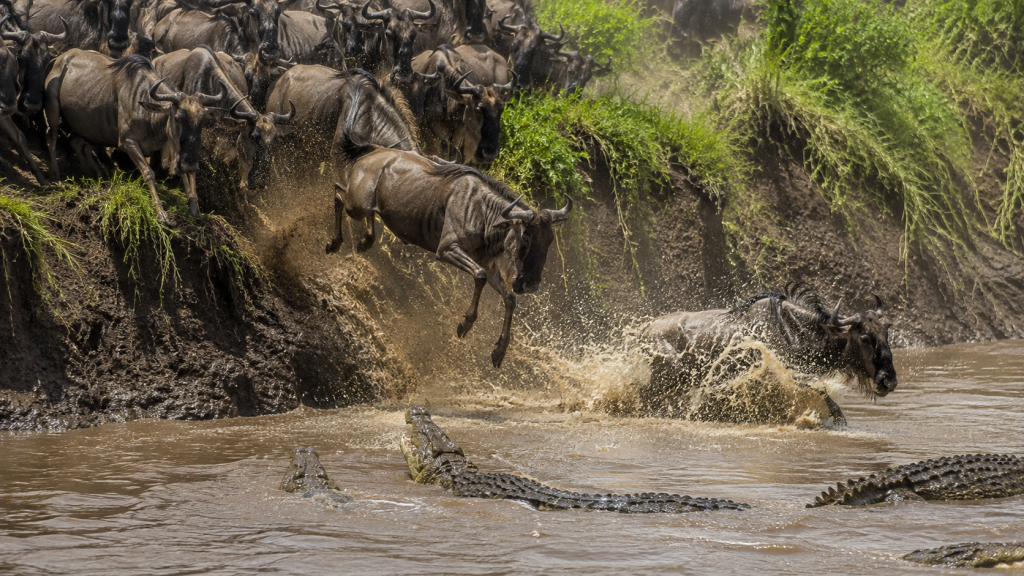
For many travellers, witnessing a Mara River crossing is the defining moment of an African safari.
However, one of the reasons these crossings are so extraordinary is that they are completely unpredictable.
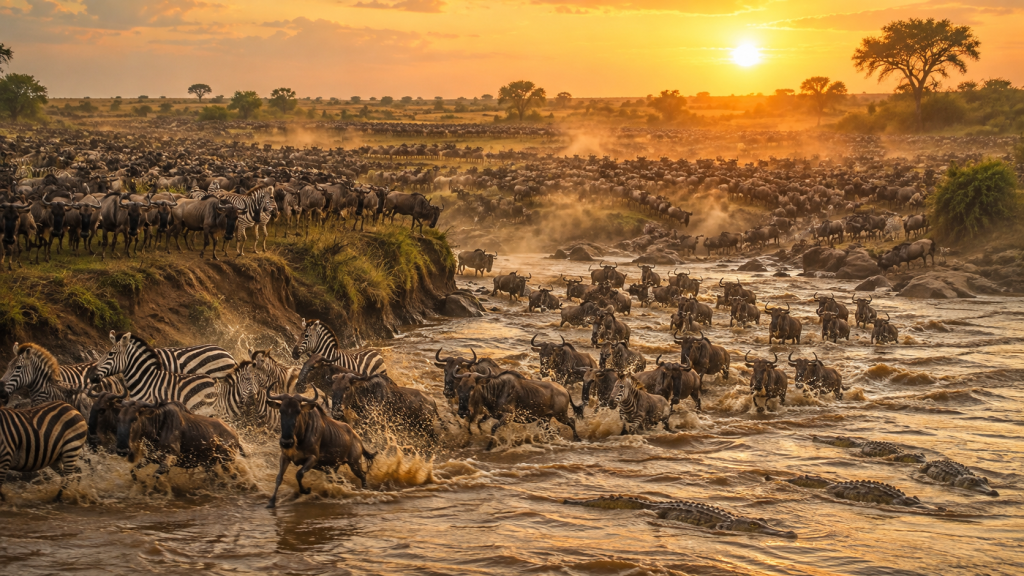
Sometimes thousands of wildebeest gather along the riverbank for hours without making a move. Then, almost without warning, one brave animal leaps into the river and thousands follow within seconds.
As the herd surges forward, powerful Nile crocodiles wait beneath the water while lions position themselves near exit points on the opposite bank. Consequently, every crossing becomes an intense battle for survival.
Visitors lucky enough to witness a crossing may experience:
- Thousands of wildebeest entering the river simultaneously
- Zebras crossing alongside the herds
- Crocodiles ambushing unsuspecting animals
- Dust clouds rising above the riverbanks
- Incredible wildlife photography opportunities
Although no safari operator can guarantee a river crossing, August historically provides some of the highest chances of witnessing this unforgettable event.
According to the Kenya Wildlife Service (KWS), protected areas such as the Maasai Mara play a vital role in conserving the wildlife and habitats that make experiences like the Great Migration possible for future generations.
For photographers, wildlife enthusiasts, and first-time visitors alike, spending several nights near the Mara River significantly increases the likelihood of experiencing one of Africa’s most iconic natural spectacles.
Why August Is the Best Month to Experience the Great Migration
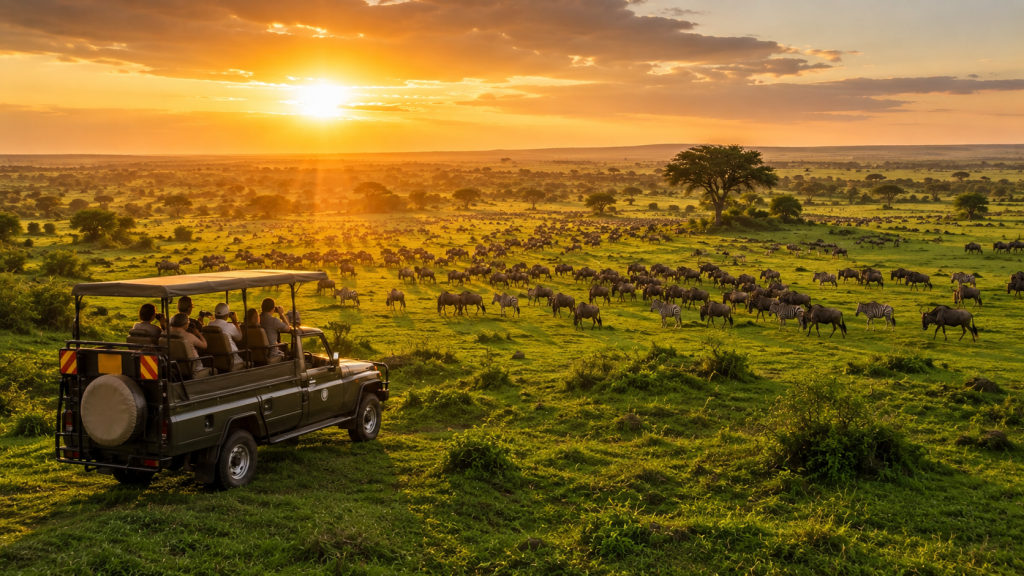
If there is one month that captures the true drama of the Great Migration, it is August. By this time, vast herds of wildebeest have reached Kenya’s Maasai Mara, transforming the reserve into one of the most wildlife-rich destinations on the planet.
Unlike earlier months, when the migration is still making its way through Tanzania’s northern Serengeti, August often brings visitors closer to the action. Herds spread across the open plains, predators shadow their movements, and the famous Mara River becomes the stage for one of nature’s most breathtaking spectacles.
The weather is another reason why August remains a favourite among safari enthusiasts. Warm afternoons, cool mornings, and relatively dry conditions make game drives comfortable while also providing excellent visibility for wildlife viewing and photography.
If you’re hoping to experience the migration at its peak, our Kenya safari packages include carefully planned itineraries that maximise your chances of witnessing this extraordinary event.
The Best Camps and Conservancies to Witness the Migration
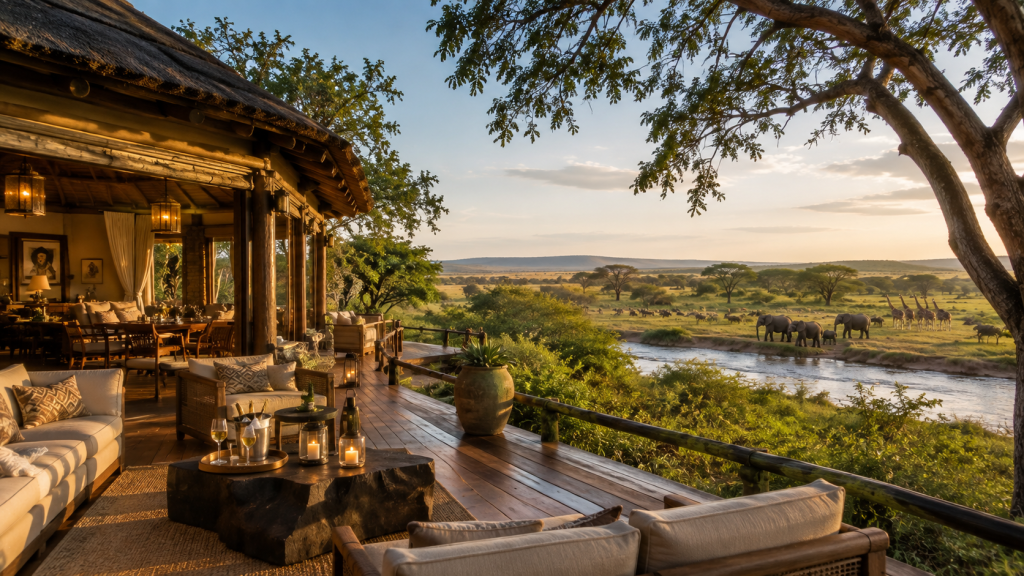
Choosing the right place to stay can have a significant impact on your safari experience. While the Maasai Mara National Reserve offers outstanding wildlife viewing, the surrounding conservancies provide exclusive game drives, fewer vehicles, and a more intimate connection with nature.
Mara North Conservancy
Bordering the Maasai Mara National Reserve, Mara North Conservancy is one of Kenya’s premier safari destinations. The conservancy is home to abundant wildlife throughout the year, and during the migration season, large herds regularly pass through its rolling grasslands.
Because visitor numbers are carefully managed, game drives often feel more personal than those inside the main reserve. This allows guides to spend more time observing animal behaviour without competing for viewing space.
Luxury tented camps in Mara North also offer exceptional comfort, making the conservancy a favourite for honeymooners, photographers, and travellers seeking a quieter safari.
Olare Motorogi Conservancy
Olare Motorogi is widely recognised for its impressive population of big cats. Lions are frequently seen resting beneath balanite trees, while cheetahs patrol the open plains in search of prey.
During August, migrating wildebeest provide a constant food source for predators, creating exciting wildlife encounters throughout the conservancy.
Guests staying here also benefit from activities that are not permitted in the national reserve, including guided bush walks and selected night game drives offered by participating camps.
Ol Kinyei Conservancy
For travellers looking to escape the crowds, Ol Kinyei offers an authentic wilderness experience.
The conservancy’s wide-open landscapes, seasonal rivers, and acacia woodlands support a remarkable variety of wildlife. While migration herds pass through during the season, resident animals such as giraffes, elephants, buffaloes, and antelope ensure rewarding game drives throughout the year.
The peaceful atmosphere also makes Ol Kinyei an excellent destination for photographers who prefer uninterrupted wildlife sightings.
Maasai Mara National Reserve
No visit during migration season would be complete without exploring the Maasai Mara National Reserve itself.
This is where many of the famous Mara River crossings take place, drawing wildlife enthusiasts from around the world. The reserve also supports one of Africa’s highest concentrations of predators, making every game drive full of anticipation.
If witnessing a river crossing is your main priority, spending at least two or three full days inside the reserve greatly improves your chances of being in the right place at the right time.
Whether you prefer luxury lodges, intimate tented camps, or family-friendly accommodation, our tailor-made safari itineraries can be customised to suit your travel style and budget.
The Best Photography Locations During the Migration
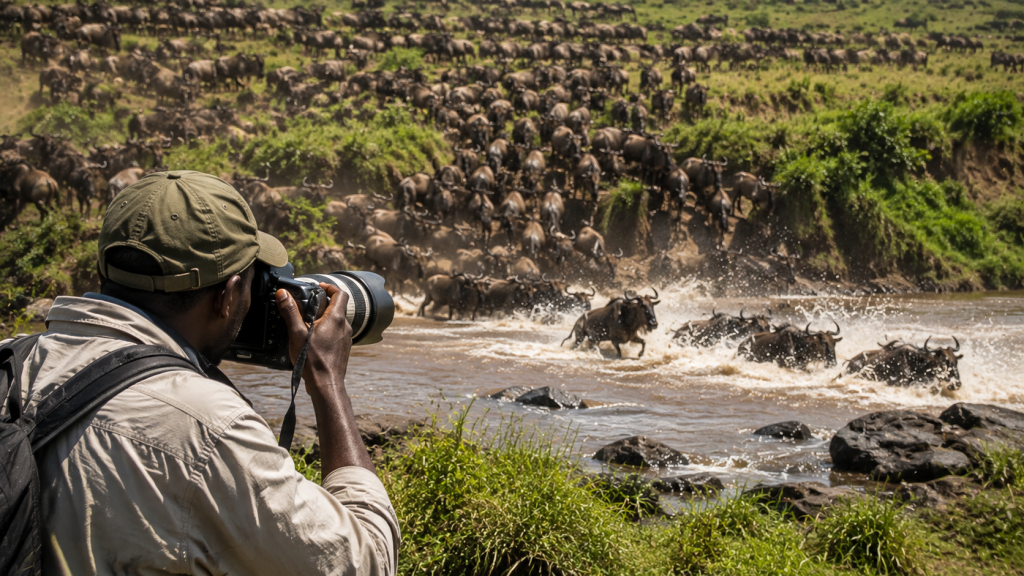
The Maasai Mara is a paradise for photographers. Every sunrise paints the grasslands in shades of gold, while the abundance of wildlife creates endless opportunities for remarkable images.
Mara River
Few places offer as much excitement as the Mara River. Patience is often rewarded with unforgettable scenes of wildebeest gathering along the riverbank before making the leap into crocodile-filled waters.
A telephoto lens is ideal for capturing dramatic wildlife behaviour, while a wider lens helps showcase the sheer scale of the migration.
Paradise Plains
True to its name, Paradise Plains offers sweeping landscapes dotted with acacia trees and large grazing herds.
The area is particularly beautiful during the first hours after sunrise, when soft golden light creates ideal conditions for landscape and wildlife photography.
Musiara Marsh
Musiara Marsh is famous for its resident lion prides, elephants, buffaloes, and abundant birdlife.
Its wetlands attract wildlife throughout the year, making it an excellent location even when migration herds have moved elsewhere.
Topi Plains
Topi Plains is known for its expansive open grasslands where cheetahs often hunt during daylight hours.
Photographers hoping to capture fast-moving wildlife against dramatic African skies will find this area especially rewarding.
Wildlife Beyond the Wildebeest
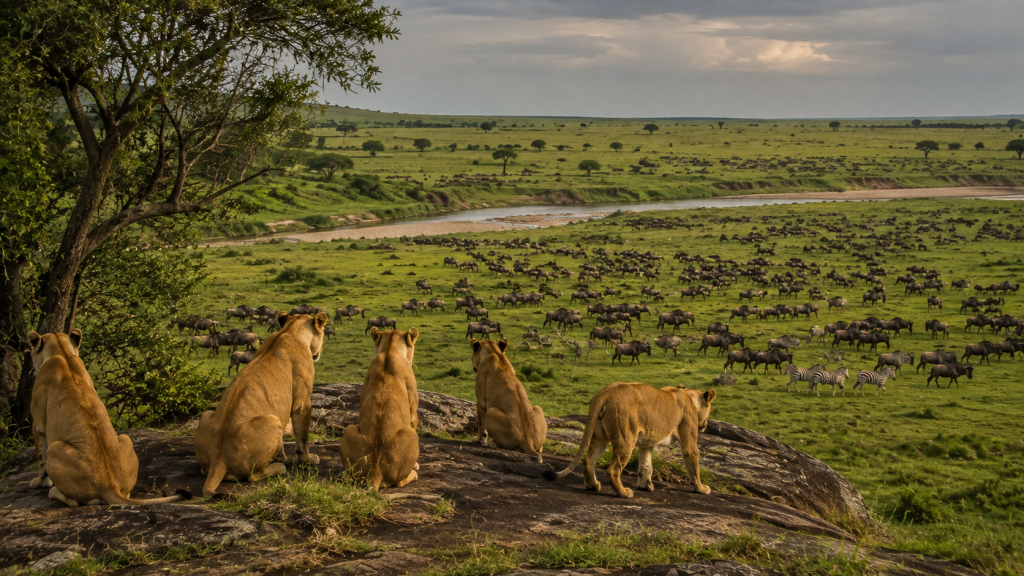
Although the migration takes centre stage, the Maasai Mara offers far more than endless herds of wildebeest.
The reserve is one of Africa’s richest wildlife ecosystems, supporting hundreds of mammal and bird species throughout the year.
During a typical game drive, you may encounter:
- African elephants travelling in family groups
- Towering Maasai giraffes browsing acacia trees
- Cape buffalo grazing near wetlands
- Hippos wallowing in rivers
- Nile crocodiles basking along riverbanks
- Lions resting beneath trees after a successful hunt
- Leopards hidden within riverine forests
- Cheetahs scanning the plains from termite mounds
- Spotted hyenas patrolling the savannah
- Black-backed jackals searching for scavenging opportunities
Bird enthusiasts are equally well rewarded. More than 470 bird species have been recorded within the Maasai Mara ecosystem, including secretary birds, martial eagles, lilac-breasted rollers, crowned cranes, ostriches, and numerous species of vultures.
You can learn more about Kenya’s protected wildlife and conservation efforts through the Kenya Wildlife Service, which manages many of the country’s national parks and reserves.
What Weather Can You Expect in August?
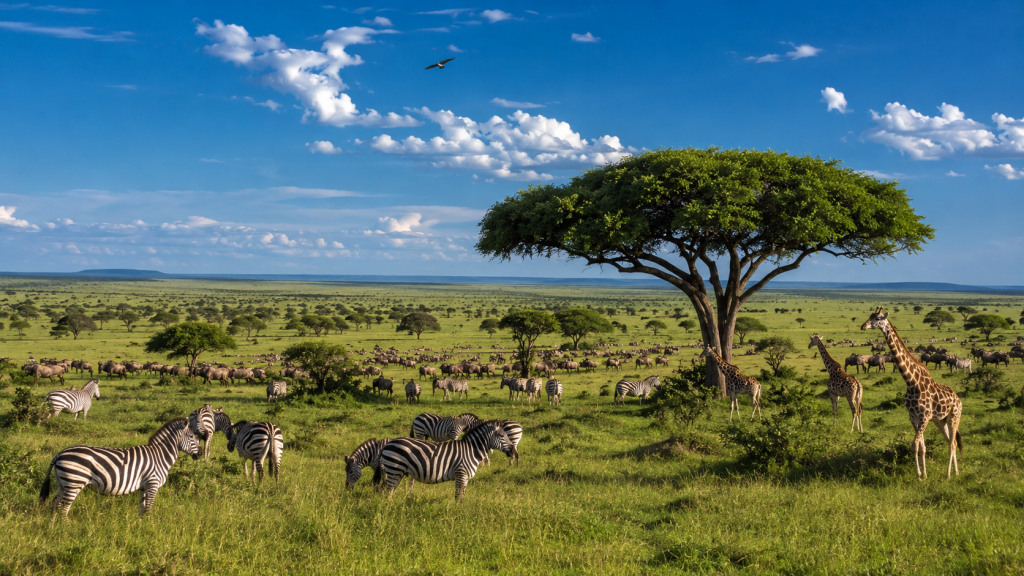
August falls within Kenya’s cool dry season, creating ideal safari conditions.
Morning game drives usually begin with crisp temperatures ranging between 10°C and 14°C, so carrying a light fleece or jacket is highly recommended.
As the day progresses, temperatures generally rise to between 22°C and 26°C, providing pleasant conditions for exploring the reserve.
Rainfall is usually limited to occasional showers, while clear skies create excellent visibility for wildlife viewing and photography.
These comfortable conditions also reduce dust compared to later in the dry season, making August particularly popular among photographers.
What to Pack for an August Safari
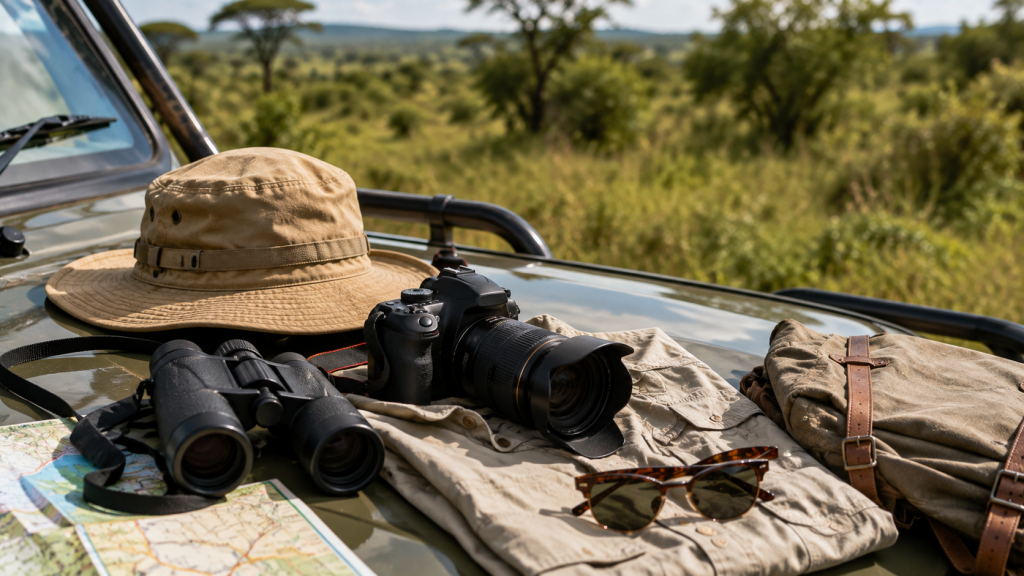
Packing appropriately allows you to enjoy every game drive in comfort.
Your safari bag should include:
- Neutral-coloured clothing such as khaki, olive, brown, or beige
- A warm fleece or lightweight jacket for early mornings
- Comfortable walking shoes
- A wide-brimmed hat
- Polarised sunglasses
- High-SPF sunscreen
- Insect repellent
- Binoculars
- A camera with spare batteries and memory cards
- A reusable water bottle
- A power bank for charging electronic devices
- Personal medication and basic toiletries
Avoid brightly coloured clothing, camouflage patterns, and heavy luggage, particularly if your itinerary includes domestic flights with luggage restrictions.
If your safari includes flights within Kenya, our team can also assist with domestic flight bookings to ensure a seamless travel experience.
Sample Great Migration Itineraries
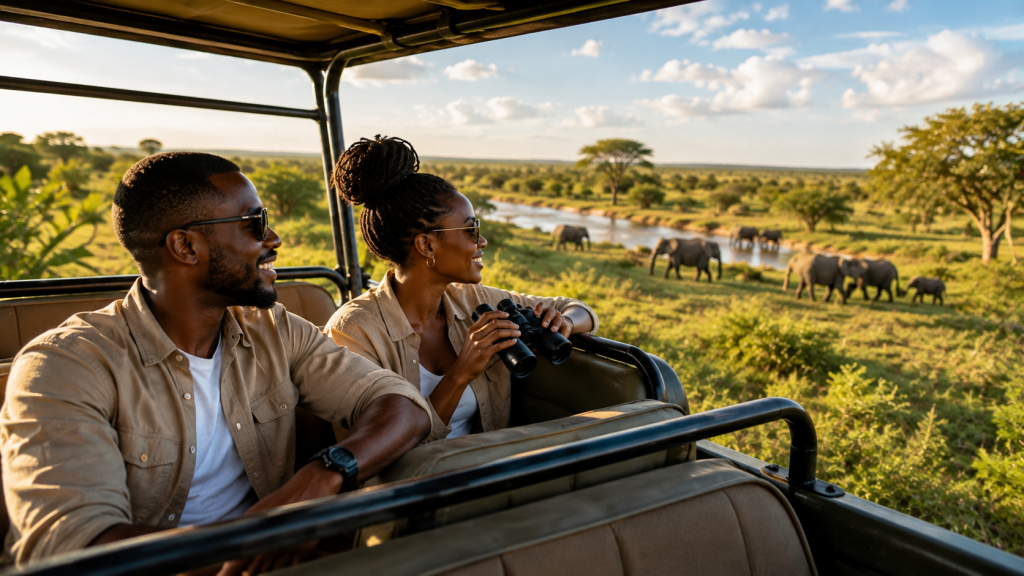
How many days you spend in the Maasai Mara can make a big difference to your safari experience. While it’s possible to enjoy the migration on a short trip, staying longer gives you more flexibility to explore different parts of the reserve and increases your chances of witnessing a Mara River crossing.
At Sunward Travel, we customise every itinerary to suit your schedule, budget, and interests. Whether you’re travelling solo, as a couple, with family, or as part of a group, we’ll recommend the best route for your safari.
3-Day Great Migration Safari
A three-day safari is ideal for travellers with limited time who still want to experience Kenya’s famous wildlife.
A typical itinerary includes:
Day 1
- Depart Nairobi for the Maasai Mara.
- Arrive at your lodge or tented camp in time for lunch.
- Enjoy your first afternoon game drive before returning for dinner.
Day 2
- Spend the entire day exploring different sections of the reserve.
- Visit the Mara River if migration activity is reported.
- Picnic lunch in the bush.
- Return to camp for dinner and overnight stay.
Day 3
- Optional early morning game drive.
- Breakfast at the lodge.
- Drive back to Nairobi with scenic stops along the Great Rift Valley.
Browse our Kenya safari packages to discover similar itineraries that can be tailored to your preferences.
5-Day Great Migration Safari
A five-day safari offers a more relaxed pace and allows you to explore a wider area of the Maasai Mara ecosystem.
With additional game drives, you’ll have more opportunities to observe predator behaviour, visit different conservancies, and spend time waiting for potential river crossings without feeling rushed.
This itinerary is particularly popular with photographers and wildlife enthusiasts.
7-Day Kenya Wildlife Adventure
For travellers looking for a complete Kenyan safari, a seven-day itinerary combines the Maasai Mara with other iconic destinations.
Popular combinations include:
- Maasai Mara and Lake Nakuru
- Maasai Mara and Amboseli National Park
- Maasai Mara, Lake Naivasha, and Amboseli
- Maasai Mara, Samburu National Reserve, and Ol Pejeta Conservancy
Combining destinations allows you to experience a greater diversity of landscapes and wildlife, from flamingo-filled lakes to elephant herds beneath Mount Kilimanjaro.
How Much Does a Great Migration Safari Cost?
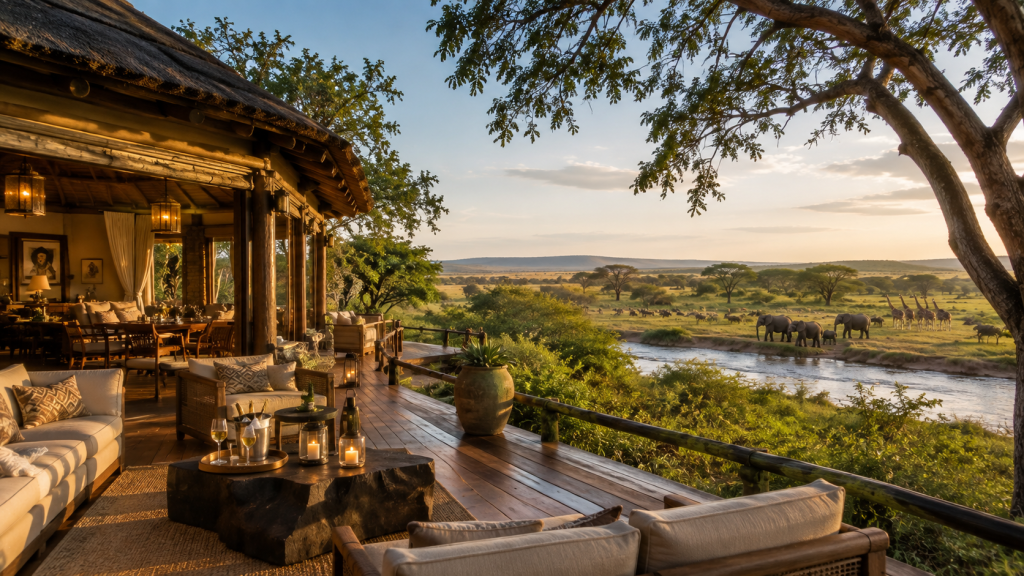
The cost of a Great Migration safari depends on several factors, including travel dates, accommodation, transport, and the level of luxury you choose.
As a general guide:
| Safari Type | Estimated Price (Per Person) |
|---|---|
| Budget Safari | From USD 350–700 |
| Mid-range Safari | From USD 800–1,800 |
| Luxury Safari | From USD 2,000–4,500+ |
Prices may include:
- Accommodation
- Meals
- Park entry fees
- Professional safari guide
- Safari vehicle
- Bottled drinking water
- Airport transfers (depending on the package)
Additional costs may include:
- International flights
- Travel insurance
- Visa fees
- Balloon safaris
- Maasai village visits
- Personal expenses and gratuities
If you’d like a personalised quotation, our team can create an itinerary based on your preferred travel dates, accommodation style, and budget. Simply visit our Contact Us page, and we’ll prepare a customised proposal.
Frequently Asked Questions
Is August the best month to see the Great Migration?
Yes. August is widely regarded as one of the best months to witness the Great Migration in Kenya because large herds are usually present in the Maasai Mara, and Mara River crossings are most common during this period.
Can you guarantee a Mara River crossing?
No. River crossings are natural events influenced by animal behaviour, weather, and grazing conditions. While August offers one of the best opportunities to witness a crossing, no safari operator can guarantee one.
How many days should I spend in the Maasai Mara?
We recommend spending at least three to five nights. This provides enough time to explore different regions of the reserve and improves your chances of experiencing a variety of wildlife encounters.
Is the Great Migration suitable for families?
Absolutely. Many lodges welcome families and offer child-friendly activities, family tents, and experienced guides who make safaris enjoyable for travellers of all ages.
What is the best way to travel to the Maasai Mara?
You can either drive from Nairobi or take a domestic flight to one of the airstrips serving the reserve. Flying significantly reduces travel time and is an excellent option for visitors with limited time.
Our team can also arrange your flight bookings, accommodation, and ground transportation as part of a complete travel package.
Responsible Tourism and Conservation
The Great Migration is more than a tourist attraction—it’s a vital natural process that supports one of Africa’s most important ecosystems.
Every safari contributes to conservation by supporting protected areas, creating employment opportunities for local communities, and funding wildlife management initiatives.
Travellers can also help protect this incredible ecosystem by:
- Respecting wildlife viewing guidelines.
- Avoiding littering in protected areas.
- Supporting eco-friendly safari camps.
- Purchasing locally made crafts from Maasai communities.
- Following instructions from professional safari guides.
To learn more about wildlife conservation in Kenya, visit the Kenya Wildlife Service, which plays a leading role in protecting the country’s biodiversity.
Start Planning Your Great Migration Safari with Sunward Travel
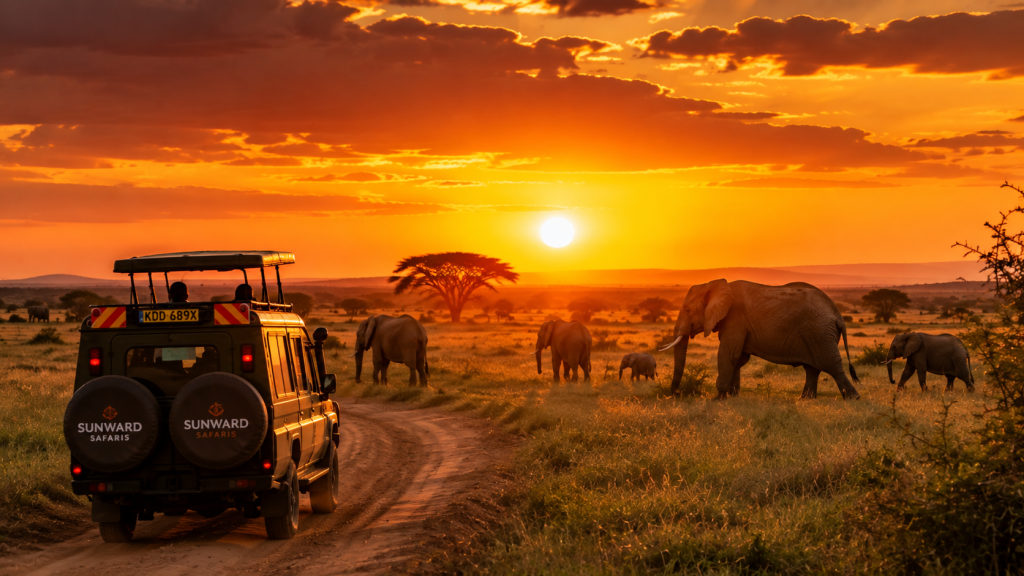
Watching thousands of wildebeest thunder across the plains, hearing the distant roar of lions at sunrise, and witnessing the drama of a Mara River crossing are experiences that stay with you long after your safari ends.
At Sunward Travel Services Ltd, we take care of every detail so you can focus on enjoying the adventure. From personalised itineraries and carefully selected lodges to domestic flights and professional safari guides, we’ll help you experience Kenya at its very best.
Whether you’re planning a romantic honeymoon, a family holiday, a photography expedition, or a private luxury safari, our experienced travel consultants will design a journey that matches your interests and budget.
Explore our latest Kenya Safari Packages or speak with one of our travel experts today.
Contact Sunward Travel Services Ltd
📧 Email: reservations@sunward-travel.com
📞 Phone: +254 733 525 826
🌍 Website: www.sunward-travel.com
Your unforgettable Great Migration adventure begins with Sunward Travel. Let us help you turn your dream safari into a lifetime of memories.