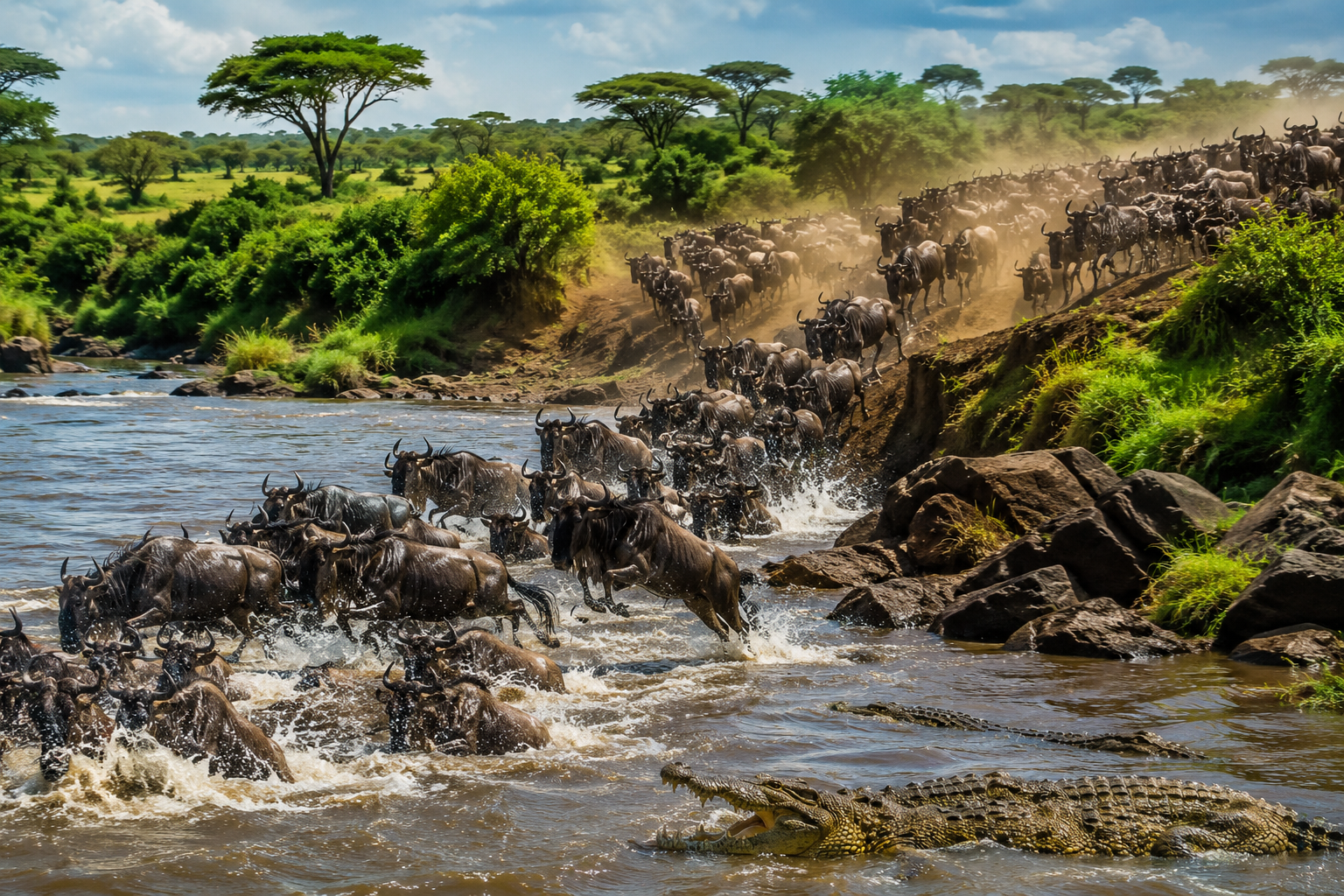
The Great Migration Kenya is one of the world’s most extraordinary wildlife spectacles, attracting thousands of travelers to the Maasai Mara every year. Millions of wildebeest, zebras, and gazelles journey across the Serengeti-Maasai Mara ecosystem in search of fresh grazing, creating dramatic river crossings and unforgettable encounters with Africa’s iconic predators.
Whether you’re planning your first safari or returning to witness nature’s greatest migration once again, this guide will help you make informed decisions. You’ll discover the best time to visit, where to see the migration, how the migration changes throughout the year, recommended safari itineraries, accommodation options for every budget, photography tips, packing advice, and answers to the most frequently asked questions.
Unlike many guides that provide only basic information, this resource combines practical travel planning with expert insights from Sunward Travel Services. Our goal is to help you experience the Great Migration in a way that matches your interests, budget, and travel style, while making every moment in the Maasai Mara unforgettable.
If you’re searching for the ultimate guide to the Great Migration in Kenya, you’ve come to the right place.
What Is the Great Migration safari in Kenya?
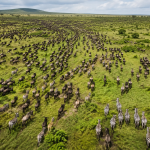
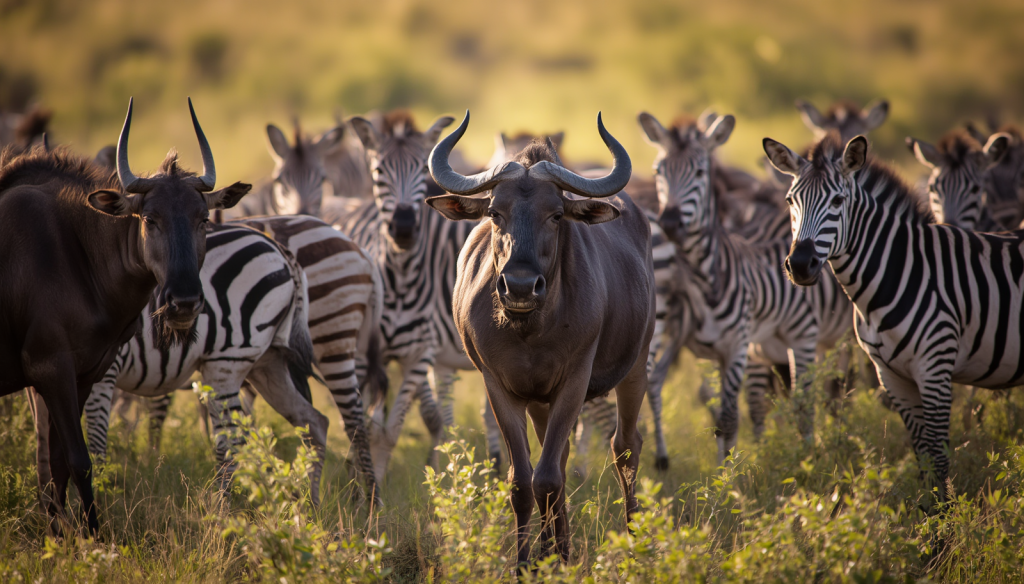
The Great Migration is the world’s largest annual wildlife movement, involving over 1.5 million wildebeest, zebras, and gazelles traveling between Tanzania’s Serengeti and Kenya’s Maasai Mara in search of fresh grazing and water.
This extraordinary natural event is recognized globally as one of the most important wildlife spectacles on Earth and is part of the wider Serengeti–Mara ecosystem, which is protected as a UNESCO World Heritage Site.
You can learn more about the Serengeti ecosystem and its global importance from the UNESCO World Heritage Centre:
UNESCO World Heritage Centre – Serengeti National Park
The migration is not a single event but a continuous cycle that follows seasonal rainfall patterns, making each month of the year offer a different wildlife experience.reat Migration at a Glance
| Feature | Details |
|---|---|
| Location | Serengeti National Park (Tanzania) and Maasai Mara National Reserve (Kenya) |
| Duration | Year-round migration cycle |
| Peak Season in Kenya | July to October |
| Number of Wildebeest | Over 1.5 million |
| Other Animals | Zebras, Thomson’s gazelles, elands and other herbivores |
| Main Attraction | Mara River crossings and exceptional predator action |
| Best Way to Experience It | Guided safari with experienced local guides |
Did You Know? Although the Mara River crossings are the most famous part of the migration, they make up only a small portion of the animals’ incredible year-long journey. The Great Migration is a continuous natural cycle, with each season offering unique wildlife experiences.
Why Is the Great Migration Called the Greatest Wildlife Show on Earth?
Every year, the Great Migration transforms the plains of East Africa into one of the world’s most spectacular wildlife events. More than 1.5 million wildebeest, accompanied by hundreds of thousands of zebras and gazelles, journey between the Serengeti and the Maasai Mara in search of fresh grazing. Their movement creates breathtaking scenes that attract travelers from around the globe.
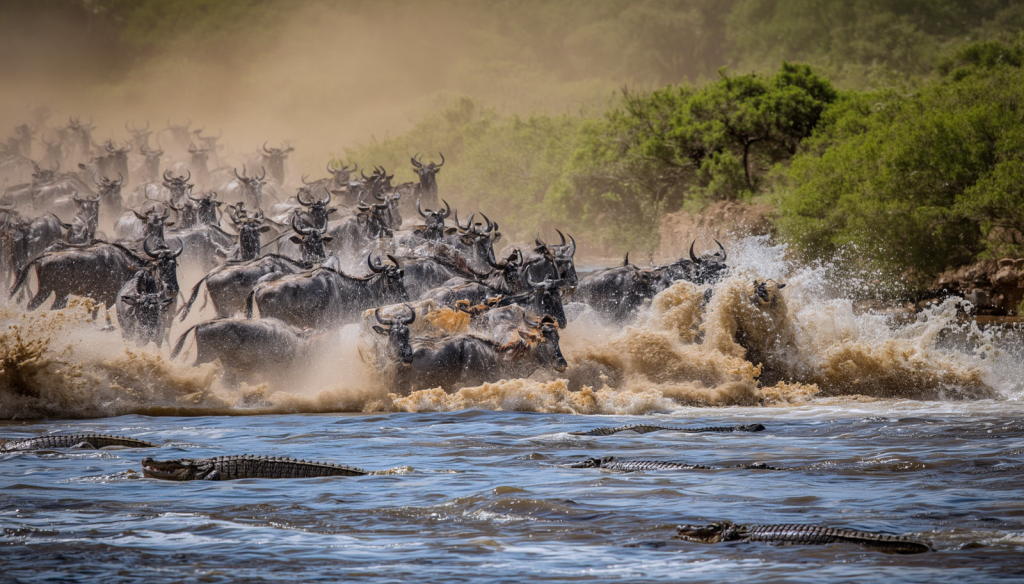
One of the migration’s most dramatic moments is the Mara River crossing. Thousands of wildebeest plunge into crocodile-infested waters while lions, leopards, cheetahs, and hyenas wait nearby for opportunities to hunt. These crossings showcase nature at its most powerful and unpredictable.
The migration is about more than dramatic river crossings. As the herds move across the ecosystem, they provide food for predators, enrich the soil, and help maintain the balance of one of Africa’s most important wildlife habitats. Because the migration follows seasonal rainfall rather than a fixed schedule, every safari offers a unique experience.
Photographers and wildlife enthusiasts value the Great Migration for its endless opportunities, from dramatic predator encounters to sweeping landscapes filled with wildlife. Whether you witness a river crossing, newborn calves, or vast herds stretching across the horizon, every game drive offers something memorable.
What makes the Great Migration truly extraordinary is its authenticity. Nothing is staged or guaranteed. Nature unfolds on its own timetable, making every safari a once-in-a-lifetime adventure.
What Makes the Great Migration Unique?
- One of the largest land mammal migrations on Earth, involving more than 1.5 million wildebeest.
- A year-round natural cycle, not a single event.
- World-famous Mara River crossings, where thousands of animals brave crocodile-filled waters.
- Outstanding predator sightings, including lions, leopards, cheetahs, hyenas, and crocodiles.
- Exceptional wildlife photography opportunities throughout the migration.
- A UNESCO-recognized ecosystem, where the Serengeti-Maasai Mara landscape supports an incredible diversity of wildlife.
- No two safaris are ever the same, making every visit a unique experience.
Why Travelers Travel Thousands of Miles to Witness the Great Migration Kenya
For many visitors, the Great Migration is more than just a safari—it is a once-in-a-lifetime experience. Watching nature unfold without fences or human intervention creates a deep appreciation for the wild. Whether it’s hearing the distant rumble of approaching herds, witnessing a dramatic river crossing, or enjoying the quiet beauty of the African savannah at sunrise, every moment becomes part of a story that travelers remember for years to come.
It’s this combination of scale, excitement, beauty, and unpredictability that has earned the Great Migration its reputation as one of the world’s greatest natural wonders and secured its place on countless travel bucket lists.
The Great Migration Calendar: Month-by-Month Guide
One of the most common questions travelers ask is, “When is the Great Migration?” The answer isn’t as simple as naming a single month.
The Great Migration is a continuous, year-round journey that follows seasonal rainfall across the Serengeti-Maasai Mara ecosystem. While the famous Mara River crossings usually occur between July and October, every month offers a different and equally fascinating wildlife experience.
Understanding where the herds are throughout the year will help you choose the best safari based on your interests, whether you want to witness dramatic river crossings, newborn wildebeest, predator action, or fewer crowds.
January – Southern Serengeti: Calm Before the Calving Season
At the beginning of the year, the migration herds are usually found in the southern Serengeti and the Ndutu plains. The lush grasslands provide ideal grazing conditions for pregnant wildebeest preparing to give birth.
What You’ll See
- Massive herds grazing peacefully.
- Excellent predator sightings.
- Beautiful green landscapes.
- Fewer tourist vehicles than peak season.
Sunward Expert Tip: January is perfect for travelers looking for incredible wildlife without the crowds that arrive later in the year.
February – Calving Season Begins
February is one of the most exciting months of the migration. Within just a few weeks, hundreds of thousands of wildebeest calves are born.
Nearly 8,000 calves can be born in a single day during peak calving.
This abundance of young animals attracts lions, cheetahs, hyenas, jackals, and leopards, creating spectacular wildlife viewing opportunities.
Best For
- Wildlife photographers
- Families
- Big cat enthusiasts
- Nature lovers
Sunward Expert Tip: If your dream is to witness predator action, February is one of the best months of the year.
March – Growing Herds and Active Predators
March continues the calving season, with young wildebeest becoming stronger as they prepare for the long migration north.
Predators remain highly active, making game drives particularly rewarding.
Weather can become wetter towards the end of the month, creating beautiful scenery and dramatic skies for photography.
April – The Green Season
April is often considered the rainy season, but it’s one of East Africa’s hidden safari gems.
The landscapes are incredibly green, wildlife is abundant, and visitor numbers are much lower.
Although river crossings are still months away, safari enthusiasts who value peaceful game drives often love this time of year.
Sunward Expert Tip: If you’re looking for better accommodation rates and fewer crowds, April offers excellent value.
May – The Journey North Begins
As the rains gradually decrease, the herds begin moving northwest across the Serengeti.
Large columns of wildebeest stretch across the plains, marking the start of the migration towards Kenya.
Game viewing remains excellent, especially for travelers seeking authentic safari experiences away from peak-season crowds.
June – Migration Approaches Kenya
By June, many herds have reached the western Serengeti.
Travelers may witness dramatic crossings of the Grumeti River, where enormous crocodiles wait for the approaching herds.
The weather becomes cooler and drier, creating ideal safari conditions.
July – Arrival in the Maasai Mara
July marks the beginning of one of the most anticipated periods of the Great Migration.
As fresh grazing appears in Kenya’s Maasai Mara, large herds begin crossing into the reserve.
Although exact timing varies depending on rainfall, July often offers visitors their first chance to witness the famous Mara River crossings.
Why July Is Popular
- Beginning of Kenya’s migration season.
- Excellent predator sightings.
- Pleasant weather.
- Superb game viewing.
Sunward Expert Tip: Accommodation fills quickly for July. Booking several months in advance gives you the best choice of camps and lodges.
August – Peak Great Migration Season
For many travelers, August is the highlight of the entire migration.
Huge herds gather along the Mara River, creating unforgettable scenes as thousands of wildebeest attempt dramatic crossings while crocodiles lie in wait.
This is the iconic Great Migration experience featured in documentaries around the world.
Best For
- First-time safari visitors
- Wildlife photographers
- Luxury safaris
- Honeymoon travelers
September – Outstanding Wildlife Viewing
September continues to offer exceptional migration experiences.
The weather is dry, visibility is excellent, and large herds remain throughout the Maasai Mara.
Many safari experts consider September one of the very best months because wildlife viewing remains outstanding while visitor numbers may begin to ease slightly after the busiest weeks.
October – Final River Crossings
October offers one last opportunity to experience the migration in Kenya before many herds begin their gradual return south.
River crossings can still occur, although they become less frequent towards the end of the month.
Game viewing remains excellent, with abundant predators and resident wildlife throughout the Maasai Mara.
November – Return to Tanzania
As the short rains begin, the migration slowly leaves Kenya and heads back towards the Serengeti.
Although the massive river crossings are over, the Maasai Mara still offers excellent year-round safari experiences thanks to its resident wildlife.
Sunward Expert Tip: Many visitors don’t realize that the Maasai Mara remains an outstanding safari destination even after the migration has moved south.
December – Completing the Circle
By December, the migration has largely returned to Tanzania’s southern Serengeti.
Fresh grass encourages the herds to settle before the calving season begins again, completing one of nature’s most remarkable annual cycles.
For travelers planning well in advance, December is an excellent time to start preparing for a Great Migration safari the following year, especially if traveling during the popular July to October season.
Great Migration Month-by-Month Summary
| Month | Herd Location | Highlights | Recommended? |
|---|---|---|---|
| January | Southern Serengeti | Large herds, green landscapes | ⭐⭐⭐⭐☆ |
| February | Southern Serengeti | Calving season, predator action | ⭐⭐⭐⭐⭐ |
| March | Southern Serengeti | Young wildlife, active predators | ⭐⭐⭐⭐☆ |
| April | Central Serengeti | Green season, fewer crowds | ⭐⭐⭐⭐☆ |
| May | Western Serengeti | Northward migration begins | ⭐⭐⭐⭐☆ |
| June | Western Serengeti | Grumeti River crossings | ⭐⭐⭐⭐☆ |
| July | Maasai Mara | First Mara River crossings | ⭐⭐⭐⭐⭐ |
| August | Maasai Mara | Peak migration season | ⭐⭐⭐⭐⭐ |
| September | Maasai Mara | Exceptional game viewing | ⭐⭐⭐⭐⭐ |
| October | Maasai Mara | Final river crossings | ⭐⭐⭐⭐⭐ |
| November | Returning south | Resident wildlife, fewer tourists | ⭐⭐⭐⭐☆ |
| December | Southern Serengeti | Green landscapes, migration cycle resets | ⭐⭐⭐⭐☆ |
Key Takeaway: While July to October is the best time to witness the famous Mara River crossings in Kenya, the Great Migration is a year-round phenomenon. Every month offers unique wildlife experiences, making the best time to visit depend on what you hope to see.
Where Does the Great Migration in Kenya Happen?
One of the biggest misconceptions about the Great Migration is that it takes place only in Kenya. In reality, the migration is a continuous journey across two countries—Tanzania and Kenya—within one interconnected ecosystem known as the Serengeti-Maasai Mara Ecosystem.
This vast landscape covers approximately 30,000 square kilometres (11,600 square miles) and is one of the last remaining ecosystems on Earth where wildlife can migrate freely over such great distances.
Every year, millions of wildebeest, zebras, and gazelles move in a circular route, following the rains in search of fresh grass and water. Unlike human travel, there is no fixed path or timetable. The exact location of the herds depends on rainfall, grazing conditions, and natural instincts.
For travelers, this means that understanding where the herds are likely to be during different times of the year is the key to planning a successful safari.
The Great Migration Route
The migration follows a remarkable annual cycle:
1. Southern Serengeti (January to March)
The journey begins in the nutrient-rich grasslands of the southern Serengeti and the Ndutu region in northern Tanzania.
This is where the famous calving season takes place, with hundreds of thousands of wildebeest calves born within a few weeks. The abundance of newborn animals also attracts large numbers of predators, making this one of the most exciting wildlife-viewing periods of the year.
2. Central and Western Serengeti (April to June)
As the rains diminish and grazing becomes scarce, the herds gradually move northwest through the Serengeti.
During this stage, visitors may witness spectacular river crossings at the Grumeti River, where giant Nile crocodiles lie in wait.
The migration continues across open plains, woodlands, and river valleys as the animals move toward Kenya.
3. Maasai Mara National Reserve (July to October)
This is the stage that has made the Great Migration world-famous.
As fresh grazing appears in Kenya, enormous herds begin entering the Maasai Mara through several crossing points along the Mara River.
The river crossings are dramatic and unpredictable. Thousands of wildebeest gather at the riverbanks, often waiting for hours—or even days—before one animal makes the first leap. Once that happens, the rest of the herd follows in a breathtaking rush through crocodile-filled waters.
For many travelers, witnessing a Mara River crossing is the highlight of an African safari.
However, it’s important to understand that river crossings are never guaranteed. Wildlife follows nature, not a schedule, which makes every successful crossing even more special.
4. Return to the Serengeti (November to December)
As seasonal rains return to Tanzania, the herds begin moving south once again.
The migration gradually leaves Kenya, travelling back across the Mara River into the Serengeti.
By December, the animals have returned to the southern plains, where the cycle begins again with the upcoming calving season.
This endless journey has continued for thousands of years and remains one of nature’s greatest survival stories.
Why the Maasai Mara Is So Famous
Although the migration spends much of the year in Tanzania, the Maasai Mara has become one of the world’s most sought-after safari destinations for several reasons:
The Iconic Mara River Crossings
The Mara River crossings are the most photographed and televised moments of the migration. These dramatic events combine suspense, courage, and survival in a way few wildlife experiences can match.
Exceptional Predator Density
The Maasai Mara is home to healthy populations of:
- Lions
- Leopards
- Cheetahs
- Spotted hyenas
- Black-backed jackals
- Nile crocodiles
With so many predators following the migration, visitors have an excellent chance of witnessing thrilling wildlife interactions.
Outstanding Year-Round Wildlife
Even after the migration has moved back into Tanzania, the Maasai Mara remains one of Africa’s premier safari destinations.
Resident wildlife—including elephants, giraffes, buffaloes, hippos, rhinos, and numerous antelope species—can be seen throughout the year, making every safari rewarding.
Is Kenya or Tanzania Better for the Great Migration?
This is one of the most frequently asked questions, and the honest answer is that both offer extraordinary experiences.
Choose Kenya if you want:
- The famous Mara River crossings.
- Outstanding predator sightings.
- Excellent luxury camps and lodges.
- Shorter travel distances within the Maasai Mara.
- An easy safari extension to destinations such as Amboseli, Lake Nakuru, or Diani Beach.
Choose Tanzania if you want:
- The spectacular calving season.
- Vast open landscapes.
- Fewer crowds in certain regions.
- A longer migration route.
- Combination safaris that include the Ngorongoro Conservation Area and other iconic parks.
Many seasoned safari travelers return to experience both countries because each showcases a different chapter of the migration.
Sunward Expert Tip
One of the biggest mistakes travelers make is booking a safari based solely on a specific month.
The better approach is to plan your trip around what you most want to experience.
If your dream is to witness dramatic Mara River crossings, we recommend traveling during the July to October season in Kenya. If you’d rather see thousands of newborn wildebeest and exceptional predator action, the January to March calving season in Tanzania may be the better choice.
At Sunward Travel Services, we help travelers choose the right itinerary based on seasonal wildlife movements, travel style, budget, and expectations, ensuring every safari offers the best possible experience.
Best Time to See the Great Migration in Kenya
One of the most frequently asked questions we receive at Sunward Travel Services is:
“When is the best time to see the Great Migration?”
The truth is, there isn’t a single “best” month. The ideal time depends on the experience you’re looking for.
Some travelers dream of watching thousands of wildebeest plunge into the Mara River during dramatic crossings. Others prefer seeing newborn calves take their first steps, photographing predators in action, or enjoying quieter game drives with fewer vehicles.
The Great Migration offers something unique throughout the year, which is why choosing the right travel dates is one of the most important parts of planning your safari.
Best Time to See the Mara River Crossings
Recommended Months: July to October
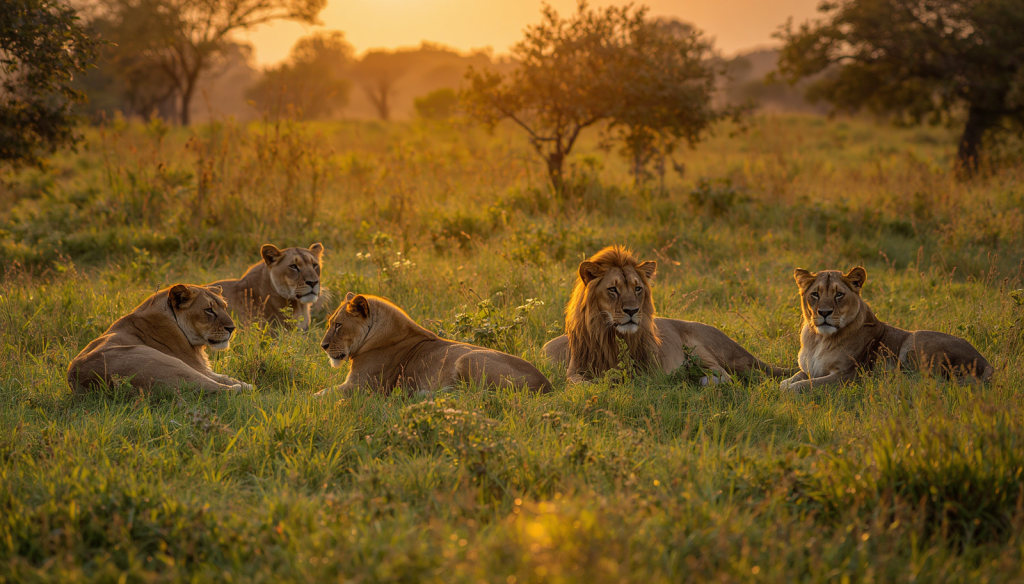
If you’ve watched wildlife documentaries showing thousands of wildebeest leaping into crocodile-filled rivers, you’ve probably seen the famous Mara River crossings.
These dramatic crossings usually take place after the herds arrive in Kenya’s Maasai Mara, although the exact timing depends on rainfall and grazing conditions.
Why Visit During This Period?
- Opportunity to witness the world-famous river crossings.
- Exceptional predator activity.
- Large concentrations of wildlife.
- Comfortable dry-season weather.
- Excellent game viewing throughout the Maasai Mara.
Sunward Expert Tip: River crossings are unpredictable. While July to October offers the highest chance of seeing them, no responsible safari operator can guarantee a crossing on a specific day.
Best Time for Wildlife Photography
Recommended Months: July to October and January to March
Photography enthusiasts have two outstanding seasons to choose from.
During the migration season in Kenya, photographers can capture dramatic action, river crossings, dust-filled landscapes, and predator interactions.
The calving season in Tanzania offers a completely different experience, with newborn wildlife, lush green plains, and remarkable predator behavior.
Photography Highlights
- Golden sunrise game drives.
- Mara River crossings.
- Lion hunts.
- Cheetahs chasing gazelles.
- Elephant herds.
- Stunning African sunsets.
Best Time for Families
Recommended Months: July, August, December
Families often travel during school holidays, making these months especially popular.
Children are fascinated by the sheer number of animals, while parents appreciate the excellent wildlife viewing and comfortable weather.
Many family-friendly lodges also offer educational bush walks, cultural visits, and junior ranger programs.
Best Time for Honeymooners
Recommended Months: June, September, October
Couples looking for a romantic safari often choose months that combine excellent wildlife viewing with a slightly quieter atmosphere.
Luxury tented camps provide unforgettable experiences such as:
- Bush breakfasts.
- Sundowners overlooking the savannah.
- Private game drives.
- Romantic dinners under the stars.
- Hot air balloon safaris followed by champagne breakfasts.
A Great Migration safari paired with a beach escape on Kenya’s coast creates one of Africa’s most memorable honeymoon experiences.
Best Time for Budget Travelers
Recommended Months: April, May, November
Many people assume an African safari is only for luxury travelers, but visiting during the shoulder or green seasons can offer exceptional value.
Benefits include:
- Lower accommodation rates.
- Fewer visitors.
- Beautiful green landscapes.
- Excellent resident wildlife.
- More personalized safari experiences.
Although the migration may not be in the Maasai Mara during these months, Kenya still offers outstanding game viewing in many national parks and reserves.
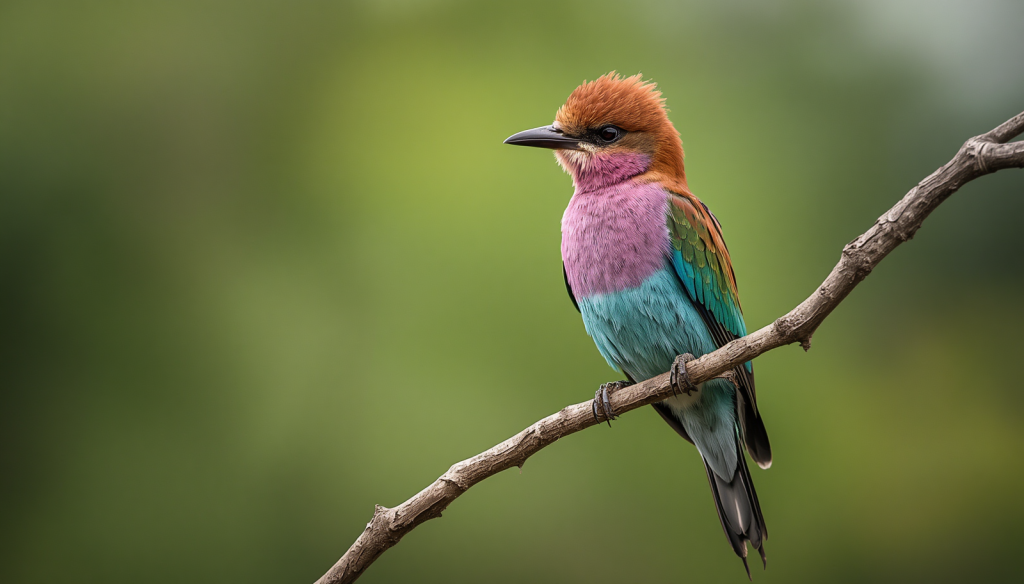
Best Time for Bird Watching
Recommended Months: November to April
Kenya is home to more than 1,100 bird species, making it one of Africa’s top birdwatching destinations.
During these months, migratory birds from Europe and Asia join resident species, creating excellent opportunities for bird enthusiasts.
Which Month Is Right for You?
| Your Travel Goal | Best Time to Visit |
|---|---|
| Mara River Crossings | July – October |
| First-Time Safari | July – September |
| Wildlife Photography | January – March & July – October |
| Honeymoon Safari | June, September, October |
| Family Safari | July, August, December |
| Budget Safari | April, May, November |
| Bird Watching | November – April |
| Fewer Crowds | April, May, November |
Weather During the Great Migration in Kenya
Understanding Kenya’s seasons can also help you plan your safari.
Dry Season (June to October)
- Sunny days.
- Cooler mornings and evenings.
- Excellent road conditions.
- Outstanding wildlife viewing.
- Best chance of river crossings.
Green Season (November to May)
- Greener landscapes.
- Occasional rain showers.
- Excellent photography.
- Fewer tourists.
- Better accommodation offers.
Rain rarely lasts all day, and many photographers actually prefer the dramatic skies and vibrant scenery of the green season.
How Far in Advance Should You Book?
The Great Migration is one of Africa’s most sought-after safari experiences.
For the peak season between July and October, we recommend booking 6 to 12 months in advance, especially if you want to stay at premium lodges or luxury tented camps.
If you’re traveling during the Christmas holidays or combining your safari with a beach vacation, booking early gives you the best choice of accommodation, domestic flights, and experienced safari guides.
For travelers with more flexibility, shoulder-season departures may offer excellent availability and attractive rates.
Sunward Expert Recommendation
If you’re visiting Kenya for the first time and your dream is to experience the Great Migration, we recommend planning your safari between late July and late September.
This period offers one of the best opportunities to witness large herds in the Maasai Mara, exceptional predator sightings, and the possibility of seeing the famous Mara River crossings.
However, every safari is unique. At Sunward Travel Services, we design personalized itineraries based on your interests, travel dates, budget, and expectations, helping you experience the Great Migration at its very best.
How to Choose the Perfect Great Migration Kenya Safari
Planning a Great Migration safari is about much more than choosing travel dates. The experience you have will depend on several factors, including the type of safari, where you stay, how long you spend in the Maasai Mara, and whether you’re traveling as a couple, family, solo traveler, photographer, or group.
At Sunward Travel Services, we believe there is no one-size-fits-all safari. The best itinerary is the one that matches your travel style, budget, and expectations.
Here’s what you should consider before booking.
Fly-In Safari vs. Road Safari
One of the first decisions you’ll make is how to reach the Maasai Mara.
Fly-In Safari
A fly-in safari is the quickest and most comfortable way to reach the Maasai Mara. Instead of spending several hours on the road, you’ll take a short domestic flight from Nairobi and arrive close to your lodge or camp.
Advantages
- Saves valuable travel time.
- More comfortable, especially for families and older travelers.
- Ideal for shorter holidays.
- Spectacular aerial views of the Great Rift Valley and the Maasai Mara.
- Maximizes time for game drives.
Best For
- Honeymooners.
- Luxury travelers.
- Families with young children.
- Travelers with limited time.
Road Safari
A road safari offers a different kind of adventure. Traveling by vehicle allows you to experience Kenya’s changing landscapes, local towns, and countryside before arriving in the Maasai Mara.
Advantages
- More affordable.
- Flexible travel itinerary.
- Opportunity to visit attractions along the route.
- Great for travelers who enjoy road trips.
Best For
- Budget travelers.
- Adventure seekers.
- Longer safari itineraries.
Sunward Expert Tip: If your schedule allows, many travelers enjoy driving to the Maasai Mara and flying back to Nairobi. This combination offers the best of both experiences.
Private Safari vs. Shared Safari
Another important decision is whether to book a private or shared safari.
Private Safari
With a private safari, your vehicle and guide are reserved exclusively for you and your travel companions.
Benefits
- Flexible game drive schedule.
- Personalized experience.
- More time at wildlife sightings.
- Freedom to focus on photography or specific animals.
- Greater comfort and privacy.
Private safaris are especially popular with couples, families, photographers, and honeymooners.
Shared Safari
A shared safari combines travelers from different bookings into one vehicle.
Benefits
- Lower overall cost.
- Opportunity to meet fellow travelers.
- Excellent value for solo travelers.
The trade-off is that game drive schedules and wildlife stops are shared with the group.
Luxury, Mid-Range or Budget Safari?
Kenya offers safari experiences for almost every budget.
The most important thing to understand is that your wildlife experience depends far more on your guide and the location of your accommodation than on how much you spend.
Luxury Safari
Luxury safaris combine exceptional wildlife viewing with world-class hospitality.
Expect features such as:
- Spacious tented suites.
- Fine dining.
- Infinity pools.
- Spa facilities.
- Private game drives.
- Premium guiding.
- Personalized service.
Ideal for honeymooners, photographers, luxury travelers, and special celebrations.
Mid-Range Safari
Mid-range safaris offer an excellent balance between comfort and value.
Typical features include:
- Comfortable en-suite rooms or tents.
- Professional safari guides.
- Excellent meals.
- Shared or private game drives.
- Prime safari locations.
For many travelers, this category provides the best overall value.
Budget Safari
Budget safaris focus on providing an authentic wildlife experience while keeping costs affordable.
Accommodation is generally simpler but still comfortable and well located.
Ideal for:
- Backpackers.
- Students.
- Young couples.
- Adventure travelers.
How Many Days Do You Need?
The length of your safari can greatly influence your experience.
3-Day Safari
Best for:
- Travelers with limited time.
- Weekend escapes.
- First-time visitors.
Keep in mind that travel time reduces the number of game drives available.
4 to 5-Day Safari
This is often considered the ideal balance.
It provides enough time to:
- Explore different areas of the Maasai Mara.
- Increase your chances of witnessing river crossings.
- Enjoy morning and afternoon game drives.
- Relax between activities.
For many visitors, a 4- or 5-day safari offers the best value.
6 to 8-Day Safari
Longer safaris allow for a much deeper wildlife experience.
Benefits include:
- Visiting multiple ecosystems.
- Greater flexibility with wildlife sightings.
- More photography opportunities.
- Reduced pressure to “find everything” in one day.
These itineraries are especially popular with photographers and wildlife enthusiasts.
Should You Stay Inside the Reserve or in a Conservancy?
Many first-time visitors don’t realize they have two accommodation options.
Staying Inside the Maasai Mara National Reserve
Advantages include:
- Quick access to major wildlife areas.
- Excellent location for migration season.
- Ideal for first-time visitors.
Staying in a Private Conservancy
Private conservancies border the Maasai Mara and offer a more exclusive safari experience.
Benefits include:
- Fewer safari vehicles.
- Night game drives (not permitted in the reserve).
- Guided walking safaris.
- Greater privacy.
- Exceptional wildlife viewing.
Many experienced safari travelers prefer conservancies because they offer a quieter, more intimate experience while still providing access to the migration.
Questions to Ask Before Booking Any Great Migration Safari in Kenya
Before confirming your reservation, it’s worth asking your tour operator:
- Is airport transfer included?
- Are park entry fees included?
- Is the safari private or shared?
- Which accommodation is included?
- How many game drives are planned?
- Are meals included?
- Is bottled water provided?
- What vehicle will be used?
- How experienced is the safari guide?
- What happens if weather affects travel?
At Sunward Travel Services, we believe informed travelers have the best safari experiences. That’s why we clearly explain every detail of your itinerary before you book, ensuring there are no surprises once your adventure begins.
Sunward Expert Recommendation
If you’re visiting Kenya primarily for the Great Migration, we generally recommend a 4- or 5-day private safari with accommodation close to key wildlife areas. This gives you enough time to enjoy multiple game drives, increases your chances of witnessing a Mara River crossing, and allows for a more relaxed and rewarding safari experience.
If your schedule permits, consider extending your holiday with visits to destinations such as Lake Naivasha, Amboseli National Park, or Diani Beach to experience even more of Kenya’s incredible natural beauty.
How Much Does a Great Migration Kenya Safari Cost?
One of the first questions travelers ask is, “How much does a Great Migration safari cost?”
The answer depends on several factors, including when you travel, how long you stay, the type of accommodation you choose, whether you join a shared or private safari, and how you travel to the Maasai Mara.
While no two safaris are exactly the same, understanding these factors will help you plan a trip that fits both your expectations and your budget.
What Determines the Cost of a Great Migration Kenya Safari?
1. Time of Year
The Great Migration’s peak season in Kenya is typically between July and October. During this period, demand for lodges and camps is highest, especially those located close to the Mara River and major wildlife areas.
Traveling during the shoulder season may provide lower accommodation rates while still offering excellent wildlife viewing.
2. Type of Accommodation
Accommodation has one of the biggest influences on your safari budget.
Generally, you’ll find three categories:
Budget Camps
Ideal for travelers looking for an authentic safari experience at an affordable price.
Typically include:
- Comfortable tents or rooms.
- En-suite bathrooms.
- Full-board meals.
- Shared facilities in some camps.
Mid-Range Lodges and Camps
These offer an excellent balance between comfort and value.
Guests can expect:
- Spacious en-suite accommodation.
- Quality dining.
- Swimming pools at many properties.
- Professional safari services.
- Prime wildlife locations.
This is the most popular choice for many travelers.
Luxury Camps and Lodges
Luxury properties provide an unforgettable safari experience with exceptional service and premium facilities.
Features may include:
- Elegant tented suites.
- Private decks overlooking the savannah.
- Gourmet cuisine.
- Spa treatments.
- Butler service.
- Private plunge pools.
- Exclusive game drives.
These experiences are particularly popular with honeymooners and travelers celebrating special occasions.
3. Safari Duration
Longer safaris naturally cost more, but they often provide significantly better value.
For example, a four- or five-day safari gives you more opportunities to explore different areas of the Maasai Mara and increases your chances of witnessing unforgettable wildlife moments, including Mara River crossings.
4. Transportation
Your choice of transportation also affects your overall budget.
Options include:
- Road transfers from Nairobi.
- Scheduled domestic flights.
- Private charter flights.
Fly-in safaris cost more but save valuable travel time and maximize your game-viewing experience.
5. Private or Shared Safari
Private safaris generally cost more because the vehicle and guide are reserved exclusively for you.
Shared safaris reduce costs by allowing several travelers to share transportation and guiding services.
What’s Usually Included?
Many Great Migration safari packages include:
- Accommodation.
- Meals (usually full board).
- Game drives.
- Professional English-speaking safari guide.
- Transport during the safari.
- Drinking water during game drives.
Some packages may also include:
- Airport transfers.
- Domestic flights.
- Park entry fees.
- Cultural village visits.
- Sundowner experiences.
- Bush breakfasts.
Always check exactly what is included before booking.
Additional Costs to Consider
When planning your safari, remember to budget for expenses that may not be included in your package.
These can include:
- International flights.
- Travel insurance.
- Kenya Electronic Travel Authorization (eTA), where applicable.
- Tips for guides and lodge staff.
- Personal shopping.
- Alcoholic beverages.
- Optional activities such as hot air balloon safaris.
Knowing these costs in advance helps avoid surprises during your trip.
Is the Great Migration Kenya Worth the Cost?
For many travelers, the Great Migration is a once-in-a-lifetime experience.
Unlike many holidays, a safari offers someathing completely unique. Every game drive is different, every wildlife sighting is unpredictable, and every sunrise over the African savannah creates memories that last a lifetime.
Many guests tell us that witnessing thousands of wildebeest crossing the Mara River, watching lions on the hunt, or simply enjoying the peaceful beauty of the Maasai Mara exceeded every expectation they had before arriving.
When viewed as an unforgettable life experience rather than just another vacation, many travelers find that a Great Migration safari offers exceptional value.
How to Get the Best Value for Your Budget
If you want to maximize your safari experience without overspending, consider these practical tips:
- Book your safari well in advance, especially for July to October.
- Travel during the shoulder season if your dates are flexible.
- Stay an extra night rather than trying to squeeze everything into a very short itinerary.
- Choose a lodge based on location rather than luxury alone.
- Work with an experienced safari specialist who understands seasonal wildlife movements.
A carefully planned mid-range safari in an excellent location often delivers a better wildlife experience than a luxury lodge located far from the migration.
Sunward Expert Advice
At Sunward Travel Services, we don’t believe in one-size-fits-all safari packages.
Instead, we take the time to understand your travel dates, interests, group size, preferred level of comfort, and budget before recommending an itinerary.
Whether you’re looking for a luxury honeymoon, a family adventure, a photography safari, or a value-for-money wildlife experience, our goal is to help you get the very best Great Migration safari for your budget—not simply the most expensive one.
Where to Stay During the Great Migration in Kenya
Choosing the right accommodation can make the difference between a good safari and an unforgettable one.
Many first-time visitors assume that the most expensive lodge automatically offers the best wildlife experience. In reality, location is often far more important than luxury. A well-positioned camp close to key wildlife areas can provide exceptional game viewing, while a more luxurious property farther away may require longer drives to reach the action.
The best place to stay depends on your travel dates, budget, interests, and the type of safari experience you’re looking for.
At Sunward Travel Services, we carefully match each traveler with the accommodation that best suits their needs, ensuring you spend less time driving and more time enjoying unforgettable wildlife encounters.
Should You Stay Inside the Maasai Mara National Reserve or in a Conservancy?
This is one of the most important decisions you’ll make when planning your safari.
Both options offer excellent wildlife viewing, but they provide different experiences.
Staying Inside the Maasai Mara National Reserve
Accommodation inside the reserve places you at the heart of one of Africa’s most famous wildlife destinations.
Advantages
- Quick access to major wildlife areas.
- Ideal during the Great Migration.
- Excellent for first-time visitors.
- Easy access to the Mara River crossing areas.
- More game drive opportunities during peak migration.
Considerations
- Busier during peak season.
- Night game drives are generally not permitted.
- More safari vehicles at popular wildlife sightings.
Staying in a Private Conservancy
Private conservancies surround the Maasai Mara National Reserve and offer a more exclusive safari experience.
Many experienced safari travelers actually prefer conservancies because they combine outstanding wildlife viewing with greater privacy.
Advantages
- Fewer vehicles.
- Exclusive wildlife viewing.
- Night game drives.
- Guided walking safaris.
- Off-road driving in designated areas.
- More intimate safari experience.
Private conservancies are especially popular with photographers, honeymooners, repeat visitors, and travelers seeking a quieter safari.
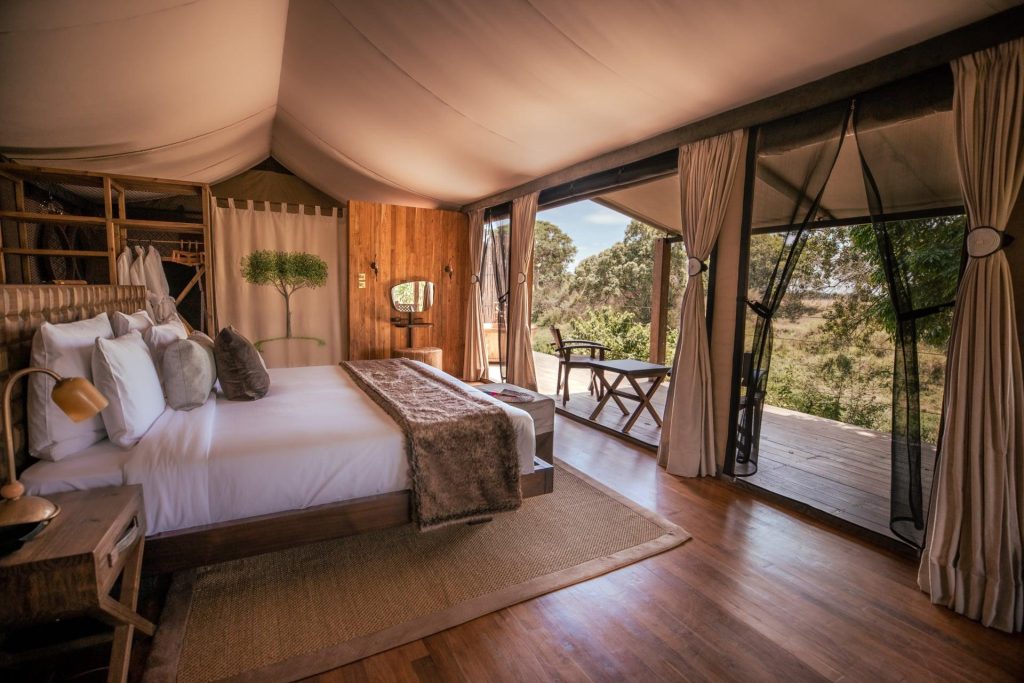
Luxury Safari Camps
Kenya is home to some of the world’s finest safari camps.
Luxury camps combine exceptional wildlife experiences with outstanding comfort and personalized service.
Guests can expect features such as:
- Spacious tented suites.
- Private verandas overlooking the savannah.
- Fine dining.
- Spa treatments.
- Infinity pools.
- Personalized butler service at selected properties.
- Expert naturalist guides.
- Private game drives.
Luxury camps are ideal for:
- Honeymooners.
- Anniversary celebrations.
- Luxury travelers.
- Wildlife photographers.
- Families seeking premium experiences.
Mid-Range Safari Lodges
Mid-range accommodation offers excellent comfort without the premium price tag of luxury camps.
For many travelers, this category provides the best balance between affordability and experience.
Typical features include:
- Comfortable en-suite rooms or tents.
- Excellent meals.
- Swimming pools at many lodges.
- Professional safari guides.
- Prime safari locations.
- Family-friendly facilities.
Mid-range properties are the most popular choice among couples, families, and first-time safari visitors.
Budget Camps
A memorable safari doesn’t have to cost a fortune.
Budget camps focus on providing authentic wildlife experiences while keeping accommodation costs affordable.
Although facilities are generally simpler, many budget camps are located close to excellent wildlife areas.
These camps are ideal for:
- Backpackers.
- Students.
- Solo travelers.
- Adventure seekers.
- Travelers exploring Kenya on a tighter budget.
Remember, wildlife doesn’t know how much you paid for your accommodation. An experienced guide and a well-planned itinerary often matter far more than luxury amenities.
Best Accommodation for Different Travelers
Every traveler has different priorities. Choosing accommodation that matches your travel style will make your safari even more rewarding.
| Travel Style | Recommended Accommodation |
|---|---|
| Honeymoon | Luxury tented camp with private dining and scenic views |
| Family | Spacious lodge with family rooms and child-friendly activities |
| Photographer | Camp near major wildlife areas or private conservancy |
| First-Time Visitor | Mid-range lodge close to the Maasai Mara National Reserve |
| Luxury Traveler | High-end safari camp with personalized service |
| Budget Traveler | Comfortable budget camp with excellent guiding |
| Solo Traveler | Friendly camp with shared safari options |
What Should You Look for When Choosing a Safari Camp?
Before booking, consider the following questions:
How close is the camp to major wildlife areas?
During the migration, location can significantly affect how quickly you reach wildlife sightings.
Are game drives included?
Some camps include multiple game drives each day, while others charge separately.
Does the camp offer full-board meals?
Most safari camps include breakfast, lunch, and dinner, making it easier to plan your budget.
Are there experienced safari guides?
A knowledgeable guide can transform your safari experience by helping you understand animal behavior, tracking wildlife, and positioning the vehicle for excellent viewing and photography.
Is Wi-Fi available?
Many camps offer Wi-Fi in common areas, although internet speeds may be limited due to the remote location.
Disconnecting from technology is often part of the safari experience.
What wildlife is commonly seen nearby?
Ask about resident wildlife as well as migration sightings. Even outside the migration season, many camps offer outstanding year-round game viewing.
How Early Should You Book Accommodation?
The Great Migration is one of Africa’s busiest safari seasons.
Many of the most sought-after camps and lodges are fully booked months in advance, especially between July and October.
As a general guide:
- Peak season: Book 6–12 months in advance.
- Christmas and New Year: Book 9–12 months in advance.
- Shoulder season: Booking 3–6 months ahead is usually sufficient.
Early booking also gives you a wider choice of accommodation and often better rates.
Sunward’s Accommodation Selection Process
At Sunward Travel Services, we don’t recommend accommodation based on price alone.
Instead, we consider factors such as:
- Your travel dates.
- Your budget.
- Group size.
- Photography interests.
- Preferred level of comfort.
- Whether you’re celebrating a honeymoon, anniversary, or special occasion.
- Wildlife movements during your travel period.
This personalized approach helps ensure that every guest stays in the right place at the right time, maximizing both comfort and wildlife viewing opportunities.
Whether you’re dreaming of a luxury tented camp overlooking the savannah or a comfortable lodge offering exceptional value, we’ll help you choose accommodation that perfectly complements your Great Migration adventure.
Wildlife You’ll See During the Great Migration in Kenya
While millions of wildebeest are undoubtedly the stars of the Great Migration, they are only part of the story.
A safari during the Great Migration is about experiencing one of the richest wildlife ecosystems on Earth. As the herds move across the Serengeti-Maasai Mara ecosystem, they attract an incredible variety of predators, scavengers, birds, and resident animals, creating unforgettable wildlife encounters around every corner.
Whether you’re visiting for the first time or returning for another safari, you’ll quickly discover that every game drive offers something new. One morning may begin with a peaceful elephant family crossing the savannah, while the afternoon ends with lions stalking a herd of wildebeest or a cheetah sprinting across the plains.
The diversity of wildlife is one of the reasons the Maasai Mara remains one of Africa’s most celebrated safari destinations throughout the year.
The Wildebeest
The blue wildebeest is the main participant in the Great Migration.
More than 1.5 million wildebeest travel across the Serengeti-Maasai Mara ecosystem every year in search of fresh grazing.
Although they may appear clumsy, wildebeest are incredibly resilient animals capable of covering long distances while navigating rivers, predators, and changing weather conditions.
During the migration, their constant movement shapes the entire ecosystem, influencing the behavior of countless other species.
Did You Know?
A newborn wildebeest calf can usually stand within minutes of birth and is able to keep up with the herd remarkably quickly—a crucial survival adaptation in a landscape filled with predators.
Zebras
Traveling alongside the wildebeest are approximately 200,000 plains zebras.
Zebras often lead the migration because they eat the taller grasses first, allowing the wildebeest to graze on the shorter, more nutritious shoots left behind.
Their excellent eyesight and hearing also help detect danger, making them valuable companions during the journey.
For photographers, the striking black-and-white patterns of zebra herds create spectacular images against the golden grasslands of the Maasai Mara.
Thomson’s and Grant’s Gazelles
Large numbers of gazelles also take part in the migration.
Unlike wildebeest and zebras, gazelles are incredibly agile and rely on speed and quick changes of direction to escape predators.
Watching a cheetah pursue a gazelle across the open plains is one of the most thrilling wildlife experiences Africa has to offer.
Lions — The Kings of the Maasai Mara
The Maasai Mara is famous for its healthy lion population.
During the migration, lions benefit from the abundance of prey, making this one of the best places in Africa to observe natural hunting behavior.
Visitors may witness:
- Pride interactions.
- Territorial disputes.
- Lionesses teaching cubs to hunt.
- Early morning hunting activity.
- Resting lions beneath acacia trees after a successful hunt.
Although sightings can never be guaranteed, the migration season offers exceptional opportunities to observe these magnificent predators.
Cheetahs — The Fastest Land Animals
The Maasai Mara’s open grasslands provide the perfect habitat for cheetahs.
Capable of reaching speeds of over 100 km/h (62 mph) in short bursts, cheetahs rely on incredible acceleration rather than strength to catch their prey.
Early morning game drives often provide the best opportunities to observe cheetahs before temperatures rise.
Leopards — Masters of Stealth
Leopards are among Africa’s most elusive big cats.
Unlike lions, they prefer solitude and spend much of their time resting in trees or moving quietly through dense vegetation.
Spotting a leopard requires patience, a knowledgeable guide, and a little luck.
Fortunately, the Maasai Mara has an excellent reputation for leopard sightings.
Spotted Hyenas
Hyenas are among the most misunderstood animals in Africa.
Far from being merely scavengers, they are highly intelligent and successful hunters capable of bringing down large prey.
During the migration, hyenas play an essential role in the ecosystem by hunting weakened animals and cleaning up carcasses left behind by other predators.
Their complex social structure and distinctive vocalizations make them fascinating animals to observe.
Nile Crocodiles
Few wildlife moments are as dramatic as a Mara River crossing.
Hidden beneath the water’s surface, enormous Nile crocodiles wait patiently for opportunities created by the chaos of the crossing.
Some crocodiles in the Mara River have survived for decades and can grow to impressive sizes.
Although river crossings are famous for predator attacks, many thousands of wildebeest complete the crossing successfully each year.
African Elephants
The Maasai Mara supports a healthy population of African elephants throughout the year.
Visitors frequently encounter family groups calmly feeding on grasses, shrubs, and trees or walking gracefully across the plains.
Watching young elephants interact with older family members is often one of the most heartwarming safari experiences.
Giraffes
The Maasai giraffe, Kenya’s tallest land animal, is a common sight in the Maasai Mara.
Their graceful movements and distinctive coat patterns make them one of the most photographed animals on safari.
Despite their height, giraffes move surprisingly quietly and can run at impressive speeds when necessary.
African Buffalo
Often underestimated by visitors, the African buffalo is one of Africa’s most formidable animals.
Large herds roam the Maasai Mara, frequently sharing grazing areas with wildebeest and zebras.
Buffaloes are also one of the famous Big Five, alongside lions, leopards, elephants, and rhinos.
Black Rhinoceros
Although much rarer than other animals, black rhinos can still be found in protected areas of the Maasai Mara ecosystem.
Seeing one is a special privilege and a reminder of the importance of wildlife conservation efforts across Kenya.
Hippos
The Mara River is home to large populations of hippos.
During the day, they spend most of their time submerged in the water to stay cool before emerging at night to graze.
Despite their calm appearance, hippos are among Africa’s most powerful and territorial animals.
More Than 500 Bird Species
The Maasai Mara is also a paradise for bird lovers.
Whether you’re an experienced birder or simply enjoy colorful wildlife, you’ll encounter an incredible variety of species.
Common birds include:
- Secretary birds.
- Lilac-breasted rollers.
- African fish eagles.
- Martial eagles.
- Ostriches.
- Vultures.
- Crowned cranes.
- Kingfishers.
- Hornbills.
- Bee-eaters.
The diversity of birdlife makes every game drive rewarding, even between major wildlife sightings.
Can You See the Big Five During the Great Migration in Kenya?
Yes.
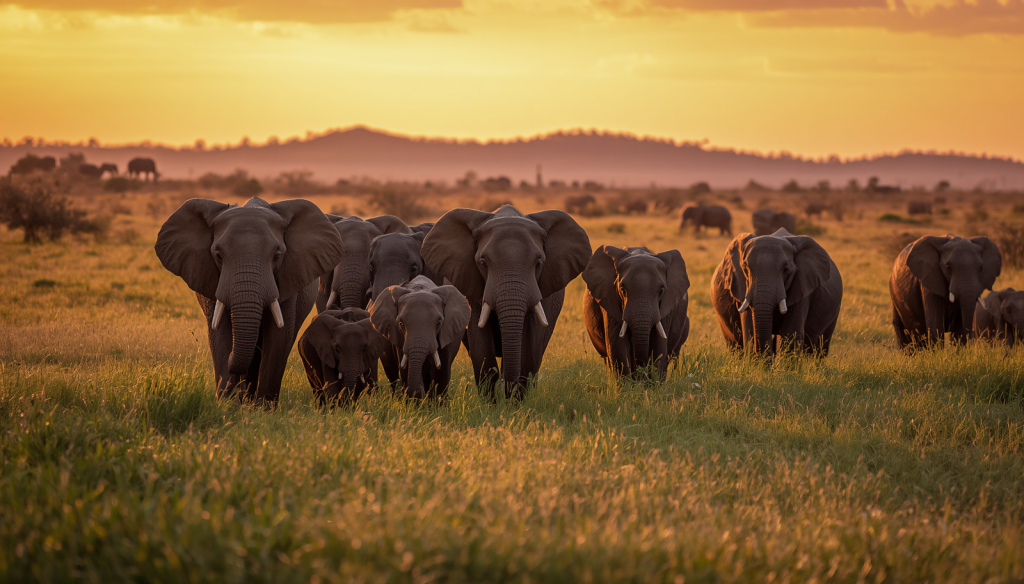
The Maasai Mara is one of the few places in Africa where visitors have an excellent chance of seeing the Big Five during a single safari.
| Big Five Animal | Chance of Seeing |
|---|---|
| Lion | Excellent |
| Leopard | Very Good |
| Elephant | Excellent |
| Buffalo | Excellent |
| Black Rhino | Good (less common) |
While sightings can never be guaranteed, experienced guides significantly improve your chances by tracking wildlife movements and communicating with other guides in the reserve.
Sunward Expert Tip
Many first-time visitors focus only on the river crossings, but some of the most memorable safari moments happen away from the crowds. Watching a leopard resting in a tree, a family of elephants at sunset, or a cheetah teaching her cubs to hunt can be just as unforgettable as witnessing the migration itself.
Our guides encourage guests to appreciate the complete Maasai Mara ecosystem, not just a single event. That’s what turns a great safari into an extraordinary one.
Sample Great Migration in Kenya Safari Itineraries
One of the most common questions we receive from travelers is:
“How many days do I need for a Great Migration safari?”
The answer depends on your available time, budget, and travel goals.
While it’s possible to experience the Maasai Mara in just a few days, allowing yourself extra time greatly increases your chances of witnessing memorable wildlife encounters, including the famous Mara River crossings.
Below are some of our most popular itinerary ideas. Every itinerary can be customized by Sunward Travel Services to match your travel style and interests.
3-Day Great Migration in Kenya Safari
Best For:
- Travelers with limited time
- Weekend getaways
- Business travelers extending a trip
- First-time safari visitors
Highlights
- Scenic journey from Nairobi to the Maasai Mara (or optional fly-in safari).
- Afternoon game drive on arrival.
- Full-day wildlife viewing.
- Opportunity to see the Big Five.
- Chance of witnessing the Great Migration during the season.
Keep in Mind
A three-day safari offers an exciting introduction to the Maasai Mara, but wildlife sightings depend on seasonal movements and available game drive time.
4-Day Great Migration in Kenya Safari
Best For:
- Couples
- Families
- First-time safari visitors
- Travelers wanting a more relaxed experience
Highlights
- More time exploring different areas of the reserve.
- Increased opportunities for river crossings.
- Sunrise and sunset game drives.
- Optional Maasai village visit.
- Flexible wildlife viewing schedule.
This is one of the most popular safari durations because it provides an excellent balance between time, cost, and wildlife experiences.
5-Day Great Migration in Kenya Safari
Our Most Recommended Itinerary
If you ask our safari specialists for one recommendation, this is often it.
Five days allows enough flexibility to follow wildlife movements without feeling rushed.
Why Travelers Love It
- Multiple full-day game drives.
- Excellent opportunities to search for river crossings.
- More chances to see the Big Five.
- Time to enjoy your lodge or camp.
- Ideal pace for photography.
For many visitors, five days creates the perfect balance between adventure and relaxation.
7-Day Great Migration in Kenya Safari
Best For:
- Wildlife enthusiasts
- Photographers
- Families
- Repeat safari visitors
With seven days, you can experience much more than the Maasai Mara alone.
Popular combinations include:
- Maasai Mara + Lake Naivasha
- Maasai Mara + Amboseli National Park
- Maasai Mara + Lake Nakuru National Park
Longer itineraries also provide flexibility if wildlife movements change during your visit.
10-Day Kenya Safari Adventure
For travelers flying long distances, extending your safari often creates a richer and more rewarding experience.
A ten-day itinerary allows you to discover several of Kenya’s iconic destinations.
A popular route includes:
- Nairobi
- Maasai Mara
- Lake Naivasha
- Lake Nakuru
- Amboseli National Park
- Diani Beach (optional extension)
This itinerary combines exceptional wildlife, breathtaking scenery, and relaxation on Kenya’s beautiful coastline.
Suggested Great Migration in Kenya Itinerary at a Glance
| Safari Length | Best For | Recommended |
|---|---|---|
| 3 Days | Short holidays | ⭐⭐⭐⭐☆ |
| 4 Days | Families & couples | ⭐⭐⭐⭐⭐ |
| 5 Days | Most travelers | ⭐⭐⭐⭐⭐ |
| 7 Days | Wildlife lovers | ⭐⭐⭐⭐⭐ |
| 10 Days | Complete Kenya adventure | ⭐⭐⭐⭐⭐ |
Add More Than Just Game Drives
A Great Migration safari can include much more than wildlife viewing.
Depending on your interests, consider adding:
Hot Air Balloon Safari
Float silently above the Maasai Mara at sunrise before enjoying a champagne breakfast in the bush.
This is one of Kenya’s most unforgettable safari experiences.
Visit a Maasai Community
Learn about the traditions, history, music, and daily life of one of Africa’s most famous cultures.
Responsible cultural visits offer valuable insights while supporting local communities.
Bush Breakfast or Bush Dinner
Enjoy freshly prepared meals surrounded by the sounds and scenery of the African wilderness.
These unique dining experiences are especially popular with honeymooners and couples celebrating special occasions.
Guided Nature Walk
Available in many private conservancies, guided walks allow visitors to appreciate the smaller details of the African bush, from animal tracks and insects to native plants and birdlife.
Night Game Drive
Unlike the national reserve, many private conservancies offer night game drives.
These provide opportunities to observe nocturnal wildlife rarely seen during daytime safaris, including aardwolves, civets, genets, porcupines, and bush babies.
Should You Combine the Great Migration in Kenya with Other Destinations?
Absolutely.
Many international visitors choose to combine the Great Migration with other iconic Kenyan destinations.
Popular combinations include:
Amboseli National Park
Famous for large elephant herds and spectacular views of Mount Kilimanjaro.
Perfect for wildlife photographers.
Lake Nakuru National Park
Known for rhinos, Rothschild’s giraffes, and hundreds of bird species.
Lake Naivasha
Enjoy boat safaris, walking among wildlife on Crescent Island, and beautiful lakeside scenery.
Diani Beach
After several exciting days on safari, many travelers finish their holiday relaxing on Kenya’s white sandy beaches along the Indian Ocean.
This safari-and-beach combination is especially popular with honeymooners.
Sunward Expert Recommendation
If you’re traveling from Europe, North America, Asia, Australia, or the Middle East, we generally recommend at least five days in the Maasai Mara.
This provides enough time to experience different wildlife areas, adapt to changing animal movements, enjoy multiple game drives, and truly appreciate everything the Great Migration has to offer.
If your schedule allows, extend your holiday by visiting another national park or Kenya’s beautiful coast. Combining destinations creates a richer travel experience and lets you discover the incredible diversity that makes Kenya one of Africa’s premier safari destinations.
Sample Great Migration in Kenaya Safari Itineraries
One of the most common questions we receive from travelers is:
“How many days do I need for a Great Migration safari?”
The answer depends on your available time, budget, and travel goals.
While it’s possible to experience the Maasai Mara in just a few days, allowing yourself extra time greatly increases your chances of witnessing memorable wildlife encounters, including the famous Mara River crossings.
Below are some of our most popular itinerary ideas. Every itinerary can be customized by Sunward Travel Services to match your travel style and interests.
3-Day Great Migration in Kenya Safari
Best For:
- Travelers with limited time
- Weekend getaways
- Business travelers extending a trip
- First-time safari visitors
Highlights
- Scenic journey from Nairobi to the Maasai Mara (or optional fly-in safari).
- Afternoon game drive on arrival.
- Full-day wildlife viewing.
- Opportunity to see the Big Five.
- Chance of witnessing the Great Migration during the season.
Keep in Mind
A three-day safari offers an exciting introduction to the Maasai Mara, but wildlife sightings depend on seasonal movements and available game drive time.
4-Day Great Migration in Kenya Safari
Best For:
- Couples
- Families
- First-time safari visitors
- Travelers wanting a more relaxed experience
Highlights
- More time exploring different areas of the reserve.
- Increased opportunities for river crossings.
- Sunrise and sunset game drives.
- Optional Maasai village visit.
- Flexible wildlife viewing schedule.
This is one of the most popular safari durations because it provides an excellent balance between time, cost, and wildlife experiences.
5-Day Great Migration in Kenya Safari
Our Most Recommended Itinerary
If you ask our safari specialists for one recommendation, this is often it.
Five days allows enough flexibility to follow wildlife movements without feeling rushed.
Why Travelers Love It
- Multiple full-day game drives.
- Excellent opportunities to search for river crossings.
- More chances to see the Big Five.
- Time to enjoy your lodge or camp.
- Ideal pace for photography.
For many visitors, five days creates the perfect balance between adventure and relaxation.
7-Day Great Migration Safari
Best For:
- Wildlife enthusiasts
- Photographers
- Families
- Repeat safari visitors
With seven days, you can experience much more than the Maasai Mara alone.
Popular combinations include:
- Maasai Mara + Lake Naivasha
- Maasai Mara + Amboseli National Park
- Maasai Mara + Lake Nakuru National Park
Longer itineraries also provide flexibility if wildlife movements change during your visit.
10-Day Kenya Safari Adventure
For travelers flying long distances, extending your safari often creates a richer and more rewarding experience.
A ten-day itinerary allows you to discover several of Kenya’s iconic destinations.
A popular route includes:
- Nairobi
- Maasai Mara
- Lake Naivasha
- Lake Nakuru
- Amboseli National Park
- Diani Beach (optional extension)
This itinerary combines exceptional wildlife, breathtaking scenery, and relaxation on Kenya’s beautiful coastline.
Suggested Great Migration in Kenya Itinerary at a Glance
| Safari Length | Best For | Recommended |
|---|---|---|
| 3 Days | Short holidays | ⭐⭐⭐⭐☆ |
| 4 Days | Families & couples | ⭐⭐⭐⭐⭐ |
| 5 Days | Most travelers | ⭐⭐⭐⭐⭐ |
| 7 Days | Wildlife lovers | ⭐⭐⭐⭐⭐ |
| 10 Days | Complete Kenya adventure | ⭐⭐⭐⭐⭐ |
Add More Than Just Game Drives
A Great Migration safari can include much more than wildlife viewing.
Depending on your interests, consider adding:
Hot Air Balloon Safari
Float silently above the Maasai Mara at sunrise before enjoying a champagne breakfast in the bush.
This is one of Kenya’s most unforgettable safari experiences.
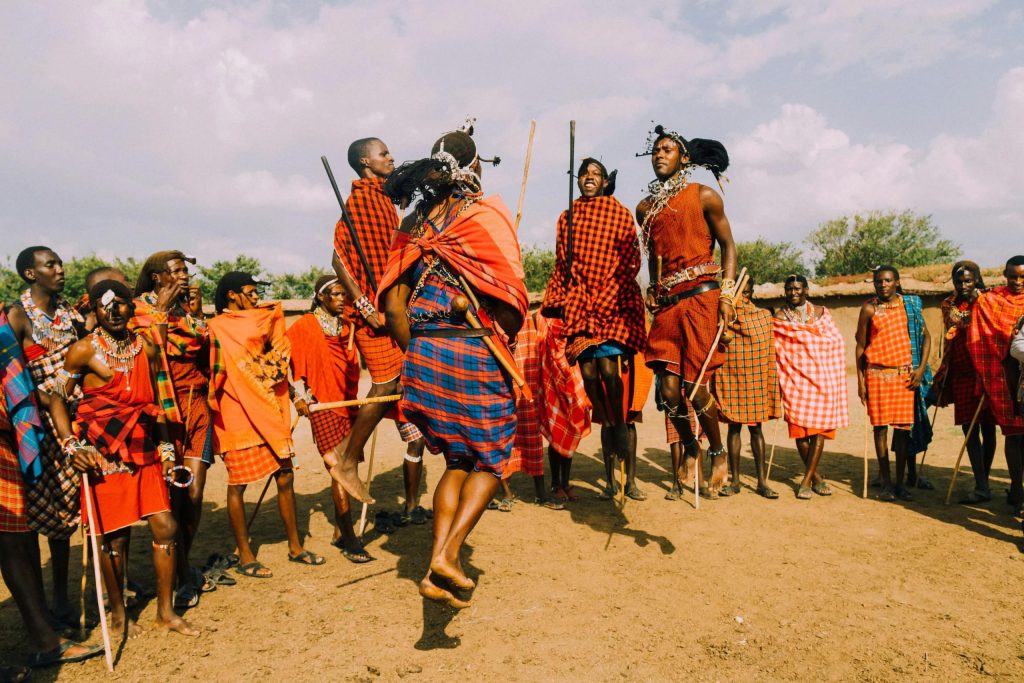
Visit a Maasai Community
Learn about the traditions, history, music, and daily life of one of Africa’s most famous cultures.
Responsible cultural visits offer valuable insights while supporting local communities.
Bush Breakfast or Bush Dinner
Enjoy freshly prepared meals surrounded by the sounds and scenery of the African wilderness.
These unique dining experiences are especially popular with honeymooners and couples celebrating special occasions.
Guided Nature Walk
Available in many private conservancies, guided walks allow visitors to appreciate the smaller details of the African bush, from animal tracks and insects to native plants and birdlife.
Night Game Drive
Unlike the national reserve, many private conservancies offer night game drives.
These provide opportunities to observe nocturnal wildlife rarely seen during daytime safaris, including aardwolves, civets, genets, porcupines, and bush babies.
Should You Combine the Great Migration in Kenya with Other Destinations?
Absolutely.
Many international visitors choose to combine the Great Migration with other iconic Kenyan destinations.
Popular combinations include:
Amboseli National Park
Famous for large elephant herds and spectacular views of Mount Kilimanjaro.
Perfect for wildlife photographers.
Lake Nakuru National Park
Known for rhinos, Rothschild’s giraffes, and hundreds of bird species.
Lake Naivasha
Enjoy boat safaris, walking among wildlife on Crescent Island, and beautiful lakeside scenery.
Diani Beach
After several exciting days on safari, many travelers finish their holiday relaxing on Kenya’s white sandy beaches along the Indian Ocean.
This safari-and-beach combination is especially popular with honeymooners.
Sunward Expert Recommendation
If you’re traveling from Europe, North America, Asia, Australia, or the Middle East, we generally recommend at least five days in the Maasai Mara.
This provides enough time to experience different wildlife areas, adapt to changing animal movements, enjoy multiple game drives, and truly appreciate everything the Great Migration has to offer.
If your schedule allows, extend your holiday by visiting another national park or Kenya’s beautiful coast. Combining destinations creates a richer travel experience and lets you discover the incredible diversity that makes Kenya one of Africa’s premier safari destinations.
15 Mistakes to Avoid When Planning a Great Migration in Kenya Safari
Planning a Great Migration safari is one of the most exciting travel experiences you’ll ever have. However, it’s also a significant investment, and a few common mistakes can mean the difference between the safari of a lifetime and one that falls short of your expectations.
After helping travelers plan unforgettable journeys across Kenya, we’ve identified the mistakes that first-time visitors make most often. Avoiding these pitfalls will help you get the most out of your adventure.
1. Thinking the Great Migration in Kenya Happens on One Specific Day
One of the biggest misconceptions is that the Great Migration is a single event.
In reality, it’s a year-round journey that follows seasonal rainfall. While the Mara River crossings usually occur between July and October, nature doesn’t follow a calendar.
If someone promises to show you a river crossing on a specific date, be cautious. No one can guarantee exactly when or where the herds will cross.
Sunward Insider Tip: Plan your safari around the migration season rather than expecting a crossing at a fixed time.
2. Booking Too Late
Many of the best camps near key wildlife areas sell out months in advance.
Waiting until the last minute can leave you with fewer accommodation choices, higher prices, or camps located farther from the action.
For travel during July to October, booking 6 to 12 months in advance is highly recommended.
3. Choosing a Safari Based Only on Price
Everyone wants value for money, but the cheapest safari isn’t always the best option.
Factors such as your guide’s experience, the location of your accommodation, and the quality of your itinerary often have a much greater impact on your experience than a lower price.
A well-planned mid-range safari can easily outperform a poorly planned luxury one.
4. Spending Too Little Time in the Maasai Mara
Many travelers try to fit the Great Migration into a two- or three-day itinerary.
While it’s possible to enjoy a short safari, allowing more time increases your chances of witnessing different wildlife behaviors and adapting to changing animal movements.
Our recommendation is at least four to five days for a rewarding Great Migration experience.
5. Focusing Only on the River Crossings
The Mara River crossings are spectacular, but they represent only one part of the migration.
Some of the most memorable safari moments happen far from the river—watching a cheetah stalk its prey, seeing elephants at sunset, or observing a lion pride with playful cubs.
Keep an open mind, and you’ll leave with a richer appreciation of the Maasai Mara.
6. Underestimating the Weather
Even during the dry season, mornings can be surprisingly cool, while afternoons may become warm.
Layered clothing is the best choice, allowing you to stay comfortable throughout the day.
A lightweight waterproof jacket is also useful, particularly during the green season.
7. Packing the Wrong Clothing
Bright colors, camouflage clothing, or heavy suitcases can make your safari less comfortable.
Neutral-colored clothing in shades of khaki, olive, brown, or beige is generally the best choice.
Comfortable walking shoes, a hat, sunglasses, and sunscreen are also essential.
8. Ignoring Travel Insurance
Unexpected flight delays, medical emergencies, or lost luggage can affect any trip.
Comprehensive travel insurance provides valuable peace of mind and is strongly recommended for all international travelers.
9. Expecting Zoo-Like Wildlife Encounters
The Maasai Mara is a wild ecosystem, not a wildlife park with guaranteed sightings.
Every safari is different.
Some days you’ll witness dramatic predator action, while others may be filled with peaceful moments that are equally unforgettable.
Patience is part of the safari experience.
10. Forgetting About Photography Preparation
Many visitors arrive with cameras that haven’t been charged or memory cards that are already full.
Bring:
- Spare batteries.
- Extra memory cards.
- Lens cleaning cloths.
- Binoculars.
- A power bank for your devices.
If you’re using a smartphone, consider carrying a small stabilizer or telephoto attachment for improved wildlife photography.
11. Skipping Early Morning Game Drives
Wildlife is often most active shortly after sunrise.
Although waking up before dawn may seem challenging, these early departures frequently reward travelers with the best predator sightings, beautiful lighting, and cooler temperatures.
12. Overlooking the Importance of Your Safari Guide
Your guide can have a tremendous influence on your safari.
Experienced guides understand animal behavior, know the reserve intimately, communicate with other guides, and can position the vehicle for excellent viewing while respecting wildlife.
A knowledgeable guide doesn’t just help you find animals—they help you understand the story unfolding around you.
13. Forgetting to Simply Enjoy the Moment
It’s natural to want amazing photos, but don’t spend the entire safari looking through a screen.
Take time to listen to the sounds of the bush, watch the sunrise, and appreciate the incredible privilege of witnessing one of nature’s greatest spectacles.
Some memories are best experienced with your own eyes.
14. Not Asking Questions Before Booking
Before confirming your safari, ask your tour operator:
- Are park fees included?
- Is airport transfer included?
- Is the safari private or shared?
- Which vehicle will be used?
- How many game drives are included?
- Are drinks included?
- Are there any hidden costs?
A reputable operator will answer these questions clearly and transparently.
15. Choosing an Itinerary That Doesn’t Match Your Travel Style
The best safari for a honeymoon couple may not be the best choice for a family with young children or a wildlife photographer.
Before booking, think about what matters most to you.
Do you want:
- Luxury?
- Adventure?
- Photography?
- Family activities?
- Budget-friendly travel?
- Maximum wildlife viewing?
Your itinerary should reflect your priorities, not just a standard package.
Sunward Insider Advice
At Sunward Travel Services, we believe the best safaris begin long before you arrive in Kenya.
That’s why we take time to understand your travel goals, answer your questions, and recommend an itinerary tailored to your interests rather than offering the same package to everyone.
By planning carefully and avoiding these common mistakes, you’ll be well on your way to experiencing one of the world’s greatest wildlife adventures with confidence.
The Ultimate Great Migration in Kenya Safari Packing List
Packing for a Great Migration safari is different from packing for a beach holiday or a city break.
You’ll spend long hours outdoors, experience cool early mornings, warm afternoons, and unforgettable wildlife encounters. Packing the right clothing and equipment will help you stay comfortable, protect your gear, and make the most of every game drive.
The good news is that you don’t need to overpack. A few carefully chosen items are all you need for an incredible safari experience.
Essential Travel Documents
Before leaving home, make sure you have:
Passport (with at least six months’ validity)
Kenya Electronic Travel Authorization (eTA), if required
Travel insurance documents
Flight tickets and itinerary
Hotel and safari confirmations
Emergency contact information
Copies of important documents stored digitally and on paper
Sunward Insider Tip: Save digital copies of your passport, travel insurance, and booking confirmations in secure cloud storage so you can access them if your phone or luggage is lost.
Clothing Checklist
Comfort is far more important than fashion on safari.
Choose lightweight, breathable clothing in neutral colours such as:
- Khaki
- Olive green
- Beige
- Brown
- Grey
These colours blend naturally into the environment and are less likely to attract insects.
Pack:
- Lightweight long-sleeved shirts
- Comfortable T-shirts
- Safari trousers
- Shorts for relaxing at camp
- Fleece or light jacket
- Waterproof jacket
- Comfortable walking shoes
- Sandals for the lodge
- Wide-brimmed hat
- Sunglasses
- Swimwear (many lodges have pools)
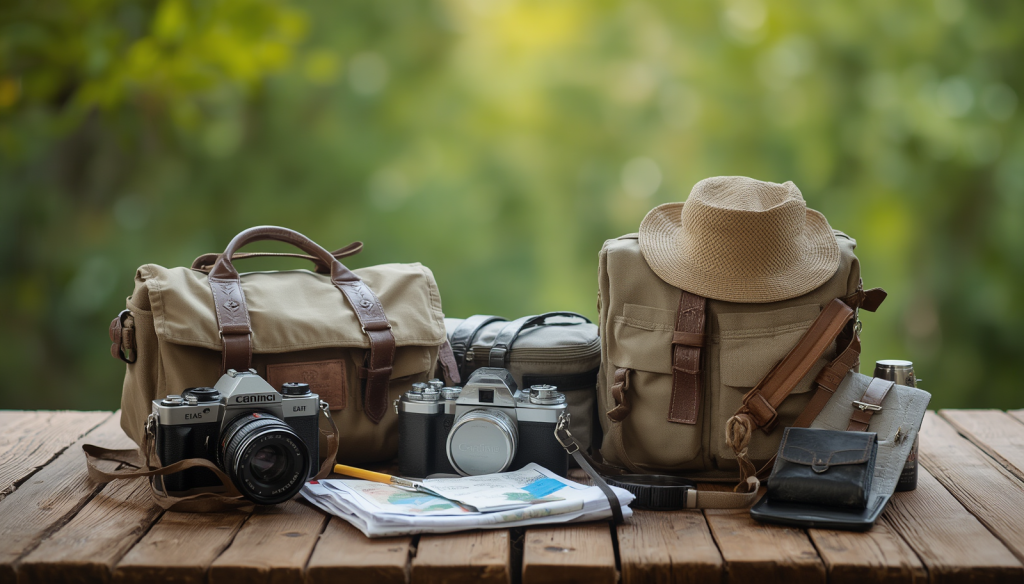
Camera Equipment
You’ll almost certainly take hundreds—if not thousands—of photos during your safari.
Recommended equipment includes:
- Camera body
- Telephoto lens (200–600 mm if available)
- Wide-angle lens for landscapes
- Spare batteries
- Battery charger
- Extra memory cards
- Lens cleaning kit
- Camera bag
- Bean bag for vehicle photography
If you’re using a smartphone, bring:
- Portable power bank
- Charging cable
- Extra storage
- Small tripod or stabilizer
Binoculars
A good pair of binoculars can completely transform your safari experience.
They allow you to:
- Observe distant wildlife
- Watch birds in detail
- Spot predators before they approach
- Enjoy wildlife without disturbing the animals
Many experienced safari travelers consider binoculars just as important as a camera.
Health & Personal Items
Don’t forget:
- Sunscreen
- Lip balm
- Insect repellent
- Personal medication
- Pain relievers
- Motion sickness tablets (if needed)
- Hand sanitizer
- Wet wipes
- Reusable water bottle
Always carry any prescription medication in your hand luggage.
Electronics
Bring:
- Universal travel adapter
- Phone charger
- Camera chargers
- Power bank
- Headphones
- Flashlight or headlamp
Electricity is available at most lodges, but charging schedules may vary in remote camps.
What NOT to Pack
Many first-time visitors pack items they never use.
Leave these at home:
Camouflage clothing (restricted in Kenya for civilians)
Bright neon colours
Heavy suitcases
High heels
Hair dryers (many lodges provide them)
Excessive jewellery
❌ Drones (their use is restricted and generally requires official permission)
Travelling light makes transfers much easier, especially if you’re flying to the Maasai Mara.
Luggage Tips
If you’re taking a scheduled domestic safari flight, baggage allowances are often lower than on international flights.
Soft-sided duffel bags are generally preferred because they’re easier to load into small aircraft.
Check your airline’s baggage allowance before travelling, and ask your tour operator if you’re unsure.
Photography Packing Checklist
| Item | Recommended |
|---|---|
| Camera | ✅ |
| Telephoto Lens | ✅ |
| Binoculars | ✅ |
| Spare Batteries | ✅ |
| Memory Cards | ✅ |
| Lens Cloth | ✅ |
| Power Bank | ✅ |
| Bean Bag | Optional but useful |
Clothing Checklist
| Item | Pack? |
|---|---|
| Neutral Clothing | ✅ |
| Warm Jacket | ✅ |
| Rain Jacket | ✅ |
| Walking Shoes | ✅ |
| Hat | ✅ |
| Sunglasses | ✅ |
| Swimsuit | Optional |
Sunward’s Top Packing Tips
After helping travelers from around the world prepare for safaris, here are our top recommendations:
- Pack light—you’ll wear your favourite safari clothes repeatedly.
- Dress in layers so you’re comfortable from sunrise to sunset.
- Bring more memory cards than you think you’ll need.
- Carry binoculars even if you have a powerful camera.
- Keep your passport, medication, and valuables in your hand luggage.
- Leave room in your bag for souvenirs and local crafts.
Download Your Free Great Migration in Kenya Packing Checklist
To make planning even easier, we’ve created a printable Great Migration Safari Packing Checklist.
It’s designed to help you prepare with confidence and ensure you don’t forget any essentials before your adventure begins.
Planning your safari with Sunward Travel? We’ll also send you a personalized pre-departure guide with practical travel tips based on your itinerary, travel season, and accommodation.
Is It Safe to Visit the Great Migration in Kenya?
For many travelers, especially those visiting Africa for the first time, safety is one of the biggest concerns when planning a safari.
The good news is that the Maasai Mara is one of Africa’s most established and professionally managed safari destinations. Every year, it welcomes visitors from around the world who come to experience the Great Migration and Kenya’s incredible wildlife.
Like any international trip, a successful safari starts with good planning, choosing a reputable tour operator, and following the guidance of experienced professionals.
At Sunward Travel Services, your safety and comfort are central to every itinerary we create.
Is the Maasai Mara Safe for Tourists?
Yes.
The Maasai Mara National Reserve is one of Kenya’s most popular tourism destinations and has a well-developed safari industry.
Professional guides, lodge staff, park rangers, and local communities work together to provide visitors with a safe and enjoyable experience.
Game drives are conducted by trained guides who understand animal behavior and follow strict safety practices designed to protect both guests and wildlife.
Safety Around Wild Animals
One of the most exciting parts of a safari is seeing animals in their natural habitat.
It’s also important to remember that these are wild animals—not zoo animals.
Your guide will explain simple safety rules, such as:
- Stay inside the safari vehicle unless instructed otherwise.
- Keep noise to a minimum near wildlife.
- Never attempt to feed animals.
- Follow your guide’s instructions at all times.
- Avoid sudden movements that may disturb wildlife.
- Respect the animals’ space.
Following these guidelines helps ensure a safe and enjoyable experience for everyone.
Health Tips for Your Safari
Preparing for your trip can help you travel with confidence.
Before you travel:
- Consult your healthcare provider about recommended vaccinations or medications.
- Pack any prescription medicines you need.
- Bring insect repellent and sunscreen.
- Stay hydrated during game drives.
- Wear a hat and lightweight clothing to protect yourself from the sun.
Most safari lodges also maintain high standards of hygiene and food safety.
Is It Safe to Travel with Children?
Absolutely.
Many families choose Kenya for their first African safari because it offers incredible wildlife experiences and a wide range of family-friendly accommodation.
Some lodges even provide:
- Family rooms.
- Children’s menus.
- Junior ranger activities.
- Educational nature programs.
If you’re traveling with young children, Sunward Travel can recommend lodges and itineraries that are especially suitable for families.
Is Kenya Safe for Solo Travelers?
Yes.
Kenya is a popular destination for solo travelers from around the world.
Joining a professionally organized safari offers an excellent balance of independence, expert guidance, and opportunities to meet other travelers.
If you prefer complete privacy, private safaris are also available.
What About Emergency Services?
Although the Maasai Mara is a remote wilderness, the safari industry is well prepared.
Many lodges maintain communication systems, trained staff, and emergency procedures.
Professional tour operators also coordinate closely with local authorities and emergency services when required.
Choosing an experienced safari company gives you additional peace of mind throughout your journey.
Responsible Wildlife Viewing
A truly memorable safari is about observing wildlife without disturbing it.
Responsible safari practices include:
- Keeping a respectful distance from animals.
- Avoiding litter.
- Staying on designated tracks where required.
- Supporting conservation-focused tourism.
- Respecting park regulations.
By following these principles, visitors help protect Kenya’s wildlife for future generations.
Practical Safety Tips
Here are a few simple recommendations that can make your trip even smoother:
- Keep valuables secure.
- Carry a reusable water bottle.
- Bring a small first-aid kit.
- Use insect repellent in the evenings.
- Wear closed shoes during walking activities.
- Follow your guide’s advice throughout your safari.
These small steps contribute to a comfortable and worry-free adventure.
Why Choosing the Right Tour Operator Matters
The quality of your safari doesn’t depend only on where you stay—it also depends on who plans your journey.
An experienced tour operator can help you:
- Choose the best travel dates.
- Select suitable accommodation.
- Arrange reliable transportation.
- Provide experienced guides.
- Assist before, during, and after your trip.
At Sunward Travel Services, we take pride in creating personalized safari experiences that combine exceptional wildlife viewing with careful planning, professional service, and attention to detail.
From the moment you contact us until you return home, our goal is to ensure you enjoy a safe, seamless, and unforgettable Great Migration adventure.
Sunward Insider Advice
The safest safari is also the most enjoyable one.
Listen to your guide, respect the wildlife, stay curious, and embrace the rhythm of the African bush. You’ll quickly discover why millions of travelers leave Kenya with unforgettable memories—and a desire to return.
Frequently Asked Questions About the Great Migration
If you’re planning your first Great Migration safari, you probably have plenty of questions. Below are answers to some of the most common questions travelers ask before visiting Kenya.
What Is the Great Migration?
The Great Migration is the world’s largest annual land migration, involving more than 1.5 million wildebeest, hundreds of thousands of zebras, and gazelles moving between Tanzania’s Serengeti and Kenya’s Maasai Mara in search of fresh grazing and water.
Rather than following a fixed route or timetable, the migration is driven by rainfall and the availability of grass, making every year slightly different.
When Is the Best Time to See the Great Migration in Kenya ?
The answer depends on the experience you’re looking for.
- January to March: Calving season in southern Serengeti.
- April to June: Herds move through central and western Serengeti.
- July to October: Mara River crossings and peak migration in Kenya.
- November to December: Herds begin returning to Tanzania.
If witnessing the famous Mara River crossings is your priority, July through October generally offers the best opportunity.
Can You Guarantee a Mara River Crossing?
No.
No ethical safari company can guarantee a river crossing because wild animals follow nature, not schedules.
Weather, grazing conditions, predators, and herd behavior all influence when and where crossings occur.
At Sunward Travel Services, we maximize your chances by planning your itinerary around seasonal wildlife movements and using experienced guides who monitor herd locations.
How Long Does the Great Migration Last?
The migration never truly ends.
It is a continuous, year-round cycle that repeats every year as wildlife follows seasonal rainfall across the Serengeti-Maasai Mara ecosystem.
Different stages of the migration can be experienced during different months.
Is the Great Migration Worth It?
Absolutely.
The Great Migration is widely regarded as one of the greatest wildlife spectacles on Earth.
Beyond the migration itself, visitors also enjoy outstanding opportunities to see lions, elephants, leopards, cheetahs, giraffes, hippos, crocodiles, and hundreds of bird species.
For many travelers, it’s a once-in-a-lifetime experience.
How Many Days Should I Spend in the Maasai Mara?
We generally recommend four to five days.
This gives you enough time to enjoy multiple game drives, explore different areas of the reserve, and improve your chances of witnessing exceptional wildlife activity.
If your schedule allows, extending your safari to seven days or combining it with other Kenyan destinations creates an even richer experience.
What Animals Will I See?
During your safari, you may encounter:
- Wildebeest
- Zebras
- Gazelles
- Lions
- Leopards
- Cheetahs
- Elephants
- Buffaloes
- Hippos
- Crocodiles
- Hyenas
- Giraffes
- Rhinos
- More than 500 bird species
Every game drive is different, making each safari unique.
Can I See the Big Five During the Great Migration?
Yes.
The Maasai Mara is one of Africa’s best destinations for seeing the Big Five:
- Lion
- Leopard
- Elephant
- Buffalo
- Black rhino
Although sightings can never be guaranteed, experienced guides significantly increase your chances.
Is the Great Migration in Kenya Suitable for Children?
Yes.
Many lodges welcome families and offer child-friendly accommodation and activities.
Game drives often inspire children with a lifelong appreciation for wildlife and conservation.
Sunward Travel can recommend itineraries tailored to families with young children or teenagers.
What Should I Wear on Safari?
Choose comfortable, lightweight clothing in neutral colours such as:
- Khaki
- Beige
- Olive green
- Brown
- Grey
Pack layers for cool mornings and warmer afternoons, along with comfortable walking shoes, a hat, sunglasses, and sunscreen.
Avoid bright colours and camouflage clothing.
Should I Choose a Fly-In or Road Safari?
Both options have advantages.
A fly-in safari saves time and is ideal for shorter holidays or luxury travelers.
A road safari is more affordable and offers opportunities to experience Kenya’s landscapes along the journey.
The best choice depends on your budget, available time, and travel preferences.
Can I Combine the Great Migration in Kenya with a Beach Holiday?
Yes.
Many travelers finish their safari with a few relaxing days on Kenya’s Indian Ocean coast.
Popular beach destinations include Diani Beach, Watamu, and Malindi.
Combining safari and beach experiences creates one of Africa’s most memorable holidays.
Do I Need Travel Insurance?
Yes.
Comprehensive travel insurance is strongly recommended for all international visitors.
Insurance can provide valuable protection against unexpected medical expenses, trip interruptions, or baggage delays.
Is the Maasai Mara Open All Year?
Yes.
The Maasai Mara welcomes visitors throughout the year.
Although the migration changes location depending on the season, resident wildlife—including lions, elephants, giraffes, buffaloes, and many other species—can be seen year-round.
Why Book With Sunward Travel Services?
Planning a safari involves many important decisions, from choosing the best travel dates to selecting the right accommodation and itinerary.
At Sunward Travel Services, we help travelers every step of the way by offering:
- Personalized safari planning.
- Carefully selected accommodation.
- Experienced professional guides.
- Flexible itineraries.
- Honest advice based on seasonal wildlife movements.
- Responsive customer support before, during, and after your trip.
Our goal is simple: to help you experience Kenya’s incredible wildlife with confidence, comfort, and unforgettable memories.
Conservation and Sustainable Tourism: Protecting the Great Migration in Kenya for Future Generations
The Great Migration survives today because of ongoing conservation efforts across Kenya and Tanzania. These efforts involve national parks, conservation organizations, and local communities working together to protect wildlife habitats and migration corridors.
In Kenya, wildlife protection and park management are led by the Kenya Wildlife Service, which plays a key role in safeguarding the Maasai Mara ecosystem and ensuring responsible tourism practices.
You can learn more about wildlife protection in Kenya through the official Kenya Wildlife Service website:
Kenya Wildlife Service
Global conservation organizations such as the International Union for Conservation of Nature (IUCN) also support efforts to protect endangered species and ecosystems worldwide:
International Union for Conservation of Nature (IUCN)
These conservation efforts ensure that future generations will continue to experience the Great Migration in its natural form.
As a traveler, choosing responsible tourism operators helps support these conservation initiatives and contributes directly to protecting Kenya’s wildlife heritage.
Why the Great Migration in Kenya Matters
The Great Migration is much more than an incredible wildlife spectacle.
It plays a vital role in maintaining the health of the ecosystem.
As the herds move across the plains, they:
- Graze grasslands naturally.
- Spread nutrients through the ecosystem.
- Support predator populations.
- Maintain ecological balance.
- Influence countless other plant and animal species.
Without these annual movements, the Serengeti-Maasai Mara ecosystem would be dramatically different.
The Role of Local Communities
The Maasai people have lived alongside wildlife for generations.
Today, many community conservancies work in partnership with conservation organizations and responsible tourism businesses to protect wildlife while creating sustainable livelihoods.
Tourism helps support local communities through:
- Employment opportunities.
- Cultural tourism initiatives.
- Education programs.
- Community-owned conservancies.
- Local craft markets.
- Conservation projects.
Responsible tourism creates incentives for wildlife conservation while improving the quality of life for local families.
Why Responsible Tourism Matters
Every traveler has an opportunity to make a positive impact.
Choosing responsible tourism helps protect Kenya’s natural heritage for future generations.
Look for safari operators who:
- Respect wildlife viewing guidelines.
- Employ experienced local guides.
- Support conservation initiatives.
- Work with reputable lodges and camps.
- Promote sustainable tourism practices.
- Respect local cultures and traditions.
Responsible tourism benefits both wildlife and the communities that depend on it.
How You Can Travel Responsibly
Small actions can make a meaningful difference during your safari.
Respect Wildlife
Observe animals from a safe distance and avoid disturbing their natural behavior.
Leave No Trace
Take all litter with you and avoid leaving anything behind in the reserve.
Support Local Businesses
Purchasing locally made crafts and using community-based tourism services helps support families living near protected areas.
Use Water and Energy Wisely
Many safari camps operate in remote environments where resources are carefully managed.
Simple actions such as taking shorter showers and switching off lights when not needed help reduce environmental impact.
Follow Park Rules
National park regulations are designed to protect both wildlife and visitors.
Listening to your guide and respecting park guidelines contributes to a better experience for everyone.
Conservation Success Stories
Kenya has achieved significant conservation successes through collaboration between government agencies, conservation organizations, local communities, and the tourism industry.
These efforts have helped protect important wildlife habitats, strengthen anti-poaching initiatives, and expand community conservancies that benefit both people and wildlife.
While conservation challenges remain, responsible tourism continues to play a vital role in safeguarding Kenya’s natural treasures.
How Sunward Travel Supports Responsible Tourism
At Sunward Travel Services, we believe that unforgettable travel experiences should also create positive impacts.
Whenever possible, we work with accommodation providers and safari partners who share our commitment to responsible tourism, professional guiding, environmental stewardship, and respect for local communities.
We encourage our guests to travel thoughtfully, appreciate Kenya’s rich natural heritage, and contribute to the long-term protection of the landscapes and wildlife that make this country so extraordinary.
By choosing responsible travel, every visitor becomes part of the ongoing story of conservation in East Africa.
Sunward Insider Tip
The greatest safari memories aren’t measured by how close you get to wildlife—they’re measured by witnessing animals behaving naturally in a healthy, protected ecosystem.
By traveling responsibly today, you help ensure that future generations will also have the opportunity to experience the awe-inspiring Great Migration.
Why Plan Your Great Migration in Kenya Safari With Sunward Travel Services?
Planning a Great Migration safari is about more than booking accommodation or arranging transportation. It’s about creating a journey that matches your interests, travel style, and expectations.
At Sunward Travel Services, we understand that no two travelers are the same. Some dream of witnessing the dramatic Mara River crossings, others want a luxury honeymoon under the African sky, while many families simply want to experience Kenya’s incredible wildlife together.
That’s why every safari we plan begins with one simple question:
“What kind of experience do you want to have?”
From there, we design an itinerary that reflects your goals—not just a standard package.
Local Knowledge That Makes a Difference
Planning a successful Great Migration safari requires more than knowing where the Maasai Mara is.
It requires understanding:
- Seasonal wildlife movements.
- The best wildlife viewing areas.
- Different accommodation styles.
- Road and flight options.
- Park regulations.
- Weather patterns.
- The pace that suits different travelers.
Our local knowledge helps us recommend itineraries that maximize your opportunities for unforgettable wildlife experiences while making your journey smooth and enjoyable.
Personalized Safari Planning
No two travelers have the same priorities.
Whether you’re planning:
- A honeymoon.
- A family holiday.
- A solo adventure.
- A photography expedition.
- A luxury escape.
- A group safari.
We’ll help you build an itinerary that reflects your travel goals, preferred level of comfort, and available budget.
Instead of offering a one-size-fits-all solution, we take time to understand what matters most to you.
Carefully Selected Accommodation
Where you stay can shape your safari experience.
We work with a range of trusted accommodation partners, from comfortable mid-range lodges to luxury tented camps and exclusive conservancy properties.
When recommending accommodation, we consider:
- Your travel dates.
- Your budget.
- Wildlife movements.
- Family requirements.
- Photography opportunities.
- Accessibility.
- Overall guest experience.
Our goal is to recommend the right place—not simply the most expensive one.
Flexible Itineraries
Travel plans can change.
That’s why we focus on creating itineraries that are practical, flexible, and tailored to your schedule whenever possible.
Whether you’re combining the Great Migration with Amboseli, Lake Naivasha, Diani Beach, or other destinations in Kenya, we’ll help create a seamless journey.
Professional Support Before, During, and After Your Safari
Planning an international trip often comes with plenty of questions.
Our team is here to help with practical advice on topics such as:
- Travel planning.
- Safari preparation.
- Accommodation choices.
- Domestic flights.
- Packing recommendations.
- Seasonal travel advice.
We aim to provide clear communication throughout your journey so you can travel with confidence.
A Commitment to Responsible Tourism
We believe tourism should benefit both visitors and the destinations they explore.
That’s why we encourage responsible travel practices and work with partners who value conservation, professionalism, and respect for local communities.
By choosing responsible tourism, travelers contribute to protecting Kenya’s extraordinary wildlife and supporting the people who help preserve it.
Why Travelers Choose Kenya Again and Again
Many visitors arrive in Kenya expecting to see incredible wildlife.
They leave with something much more meaningful.
They remember:
- The first roar of a lion at dawn.
- A herd of elephants crossing the plains.
- A breathtaking African sunset.
- Conversations around the campfire.
- The warmth of Kenyan hospitality.
- The excitement of every new game drive.
The Great Migration is more than a holiday.
For many travelers, it’s a life-changing experience that inspires a lifelong love of Africa.
Helping create those unforgettable moments is what motivates us every day.
Start Planning Your Great Migration in Kenya Adventure
Whether you’re just beginning your research or already have travel dates in mind, we’re here to help.
Our team can assist you with:
- Choosing the best time to travel.
- Selecting the right safari itinerary.
- Recommending suitable accommodation.
- Combining safari with beach or cultural experiences.
- Planning around your budget.
- Answering your questions before you book.
No matter where you’re traveling from, we’ll help you plan a safari that’s thoughtfully designed, professionally organized, and tailored to your interests.
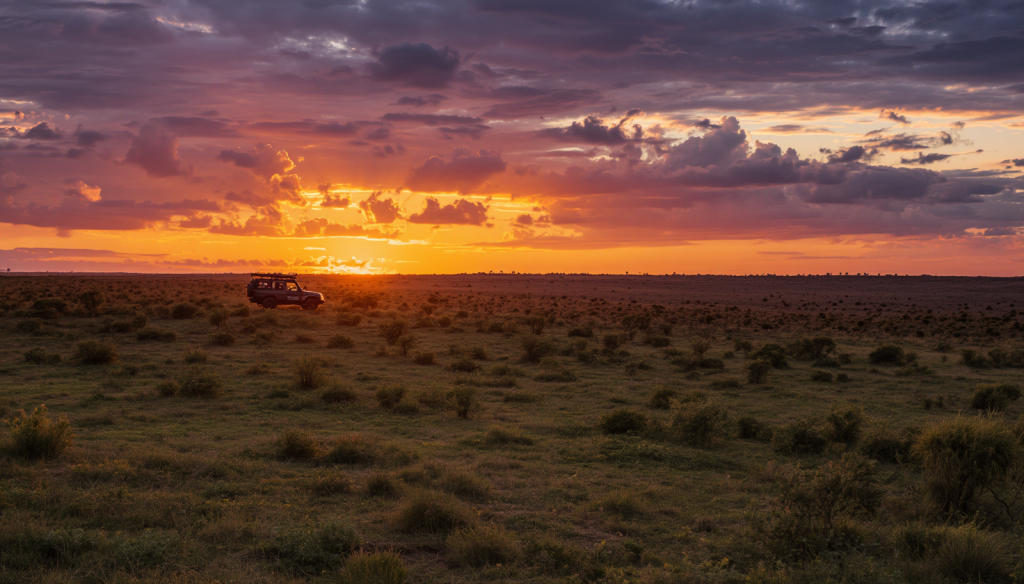
Contact Sunward Travel Services
Ready to begin planning your Great Migration safari?
Our travel specialists are happy to help you create a personalized itinerary based on your preferred travel dates, interests, and budget.
Website: https://sunward-travel.com/
Email: fred@sunward-travel.com
Reservations: reservations@sunward-travel.com
Marketing: marketing@sunward-travel.com
WhatsApp: +254 721 390 478
We look forward to helping you experience one of the world’s greatest wildlife spectacles.